
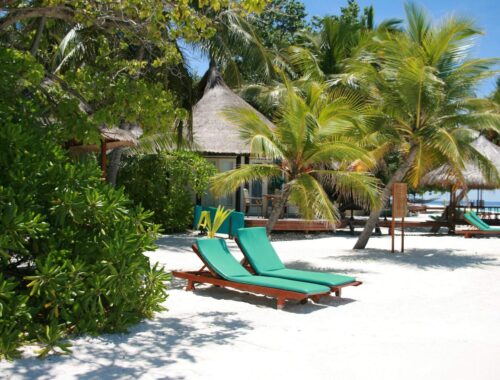

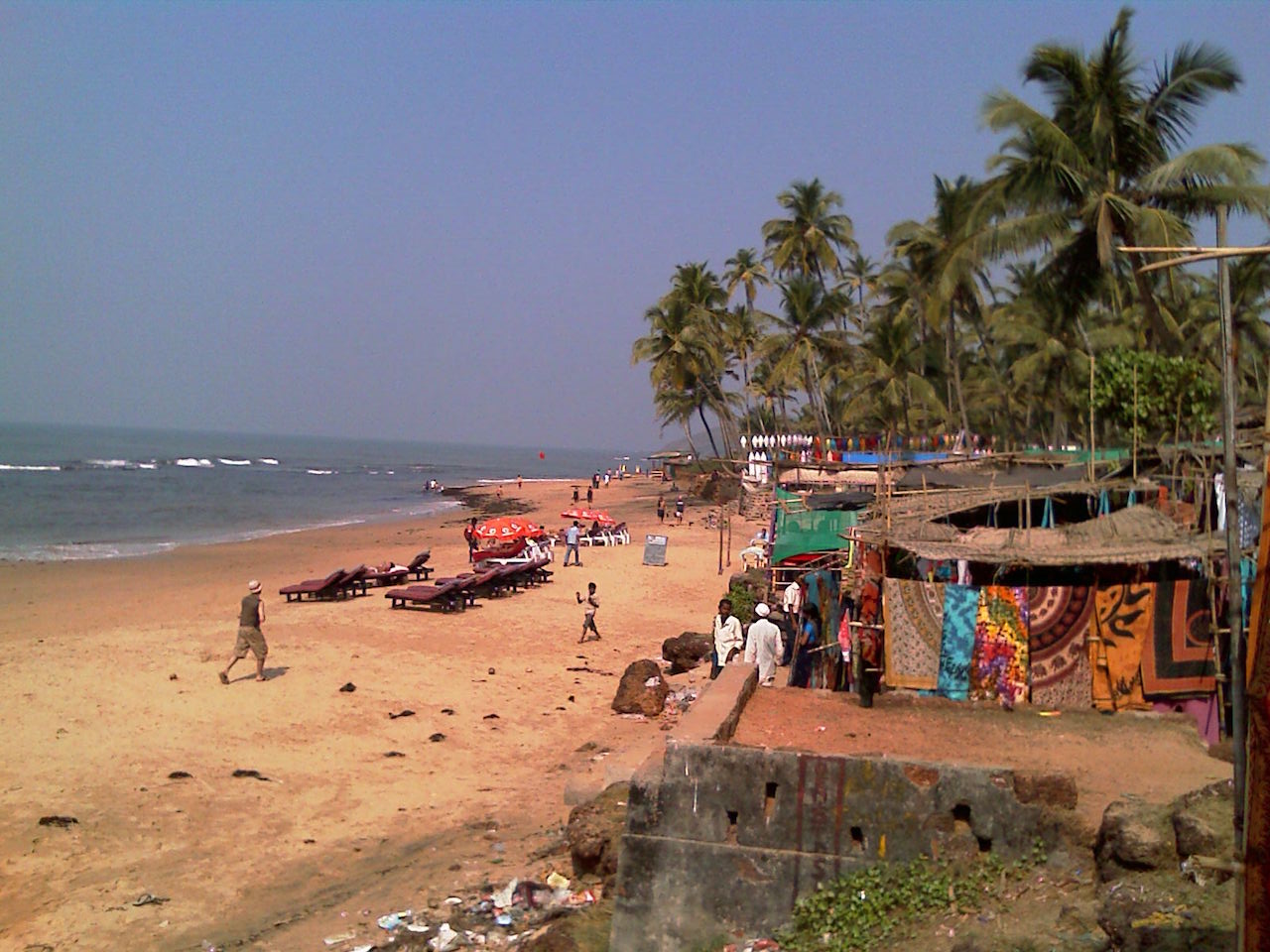
A beach lover? Then head to Goa.There are so many of them that you will be spoilt for choice. It is a fact that Goa does not believe in small numbers as there are close to 54 beaches to visit when in the state. The plentiful beaches have names that begin with almost every alphabet right from A to V!
Beaches- The pulse of Goa
Beaches of Goa run along nearly 83% of the coastline of Goa. They captivate with the miles of silver sands, breezy palms and the mesmerizing sunsets. Some of the more popular ones are listed below:
Anjuna Beach: Located around 18 kilometres from Panaji, the Anjuna Beach is spread over 30 kilometres. They overlook the hills which adds to the scenic delight. A highlight of this beach is the Ozran region popularly called ‘Jewel of Anjuna’ where unusual rock formations encircle a small cove of black rock and white sand which goes on to join the sea.
Baga Beach: Named after the Baga River, the Baga Beach is about 15 kilometres from Panaji. This beach is a favourite with tourists who throb the place. They can relax under parasols and beach beds while sipping on their favourite mocktails. Beverage and food joints are so plentiful that tourists turn into foodies guiltlessly! Another indulgence for tourists are the many water sports at the beach; parasailing, windsurfing, Jet Ski rides are a few among them. The sight of the Baga River flowing into the Arabian Sea is undoubtedly a visual treat.
Calangute Beach: If Baga Beach is busy, then Calangunte Beach is bustling. Known as the Queen of Beaches, it is around 15 kilometres from Panaji and runs to about seven kilometres in length. In addition to sun bathing, travellers can spend time with water sports and shopping. A shopaholic’s delight, the beach has stores with products from all over India including jewellery from Tibet and handicrafts from Kashmir. Seafood stalls and beers are another attraction.
Talk on the beaches of Goa will fill up a book. But a hands-on experience is a must.
Plan a trip to Goa Beaches
South Lake Tahoe is located on the southern shores of Lake Tahoe and is a city in California, United States. It is one of the most populous cities in El Dorado County. Also called Lake Tahoe Boulevard, the city has much to offer in every season. Some places to go to Lake Tahoe Boulevard are:
6 Things to do in South Lake Tahoe
Taylor Creek Visitor Center:
The Taylor Creek Visitor Center, located about three miles from South Lake Tahoe City, is a center that offers four interesting self-guided trails and the Stream Profile Chamber. The Rainbow Paths, Sky Lake, Forest Tree and Smokey trails give tourists a nature experience that includes the river, swamps and forests.
Vikingsholm:
Vikingsholm is a colossal mansion on the shores of Emerald Bay in Lake Tahoe and is located in the National Register of Historic Places. Vikingsholm is considered one of the great examples of Scandinavian architecture and is currently part of the Harvey West unit of Emerald Bay State Park. Visitors can visit it during the summer months, but the surrounding countryside can be enjoyed all year round.
Heavenly Mountain Ski Resort:
The Heavenly Mountain Ski Resort sits on 4,800 acres and has the highest elevation in the Lake Tahoe area. About 33% of the area is suitable for skiing. With the heavy snowfall of the season, the ski resort has one of the largest snow-making facilities from November to mid-April and therefore ski tours.
Regan Beach:
Regan Beach is the oldest beach in the city of South Lake Tahoe. With shallow waters, the beach is ideal for swimming and kayaking. It also has excellent facilities for children with a playground, a large lawn, a volleyball court and a viewing platform.
Lower Eagle Falls:
Lower Eagle Falls rises 150 feet from Upper Eagle Falls to Emerald Bay State Park. The falls are best in spring when the water flow is highest.
Pope Beach:
The beach of Pope Beach is a popular tourist destination. The sandy beach is ideal for sunbathing and the calm waters of the sea for swimming. Tourists can enjoy magnificent views of Lake Tahoe and the back of the Sierra Nevada from this beach.
Delhi took over as the capital of India from Calcutta in 1911. The British spent about 20 years to build the city which was designed at the hands of the remarkable architects of those times, Sir Edwin Lutyens and Herbert Baker. The result of their persevering hard work is seen even today. The outstanding spacious avenues lined by trees and the remarkable government buildings speak volumes about the innovative architectural skills of the Brits. Many of these buildings are used in an official capacity by the Government of India. Some of these colonial monuments are:
India Gate:
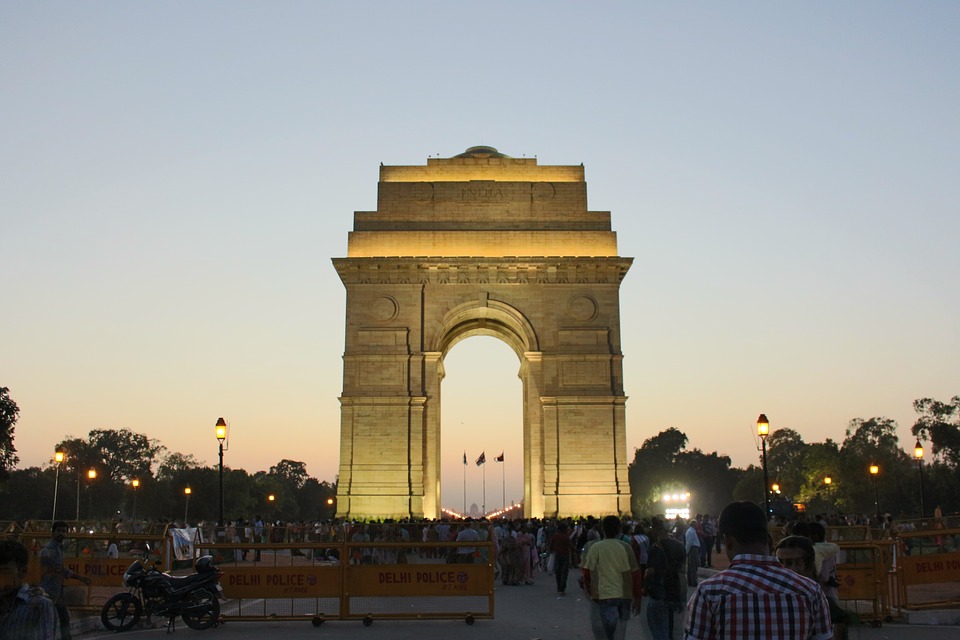
Designed by Sir Edwin Lutyers, India Gate was built to commemorate 70,000 Indian soldiers who were part of the British Army and died in fighting during the First World War. Currently it serves as a tomb for unknown soldiers of the Indian Armed Forces who have lost their lives in wars. An eternal flame known as ‘Amar JawanJyothi’ is kept burning for these brave hearts.
Secretariat Building:
With influences of Mughal and Rajasthani styles, the Secretariat Building displays Indo-Saracenic revival architecture. It has two blocks of proportioned buildings which border the Rashtrapathi Bhavan.
Rashtrapathi Bhavan:
This building is a massive construction with 340 rooms and four floors. Residence of the British Viceroy it now serves as the official home to the President of India. The house has a beautiful Mughal Garden in its backyard.
Parliament House:
Accommodating the two houses of parliament, the Parliament House is a striking circular building. It also houses several committee rooms, ministerial offices and a magnificent library. Built in 1921 in a circular shape resembling the Ashoka Chakra, the Sansad Bhavan is the house of the Parliament of India. Another architectural wonder by Sir Edwin Lutyens and Herbert Baker, the SansadBhavan has a large garden bordered with sandstone railings that is designed to replicate the Stupa of Sanchi.
Teen Murthi Bhavan:
Currently sheltering a number of institutions, the Teen MurthiBhavan first served the British as the residence of the Commander-in-chief of the British Indian Army and then was the residence of Prime Minister Jawaharlal Nehru for 16 years.
These living testaments to the colonial architecture skills continue to impress and awe.
Palaces in Northern India are wonderful examples of the engineering and architectural marvels of our historical empires. You can see the royalty exuded in the palaces of Rajasthan and the grandeur of the ones built by our mighty Mughal Empire. Some of the most popular palaces are listed below:
Umaid Bhawan Palace, Rajasthan:
Set on Chittar Hill, the UmaidBhawan Palace is the residence of the royal Jodhpur family and the sixth largest private residence in the world. Constructed with palm court marble like Agra’s Taj Mahal, the palace looks over the Blue City of Jodhpur with its enormous sand dunes and majestic Mehrangarh Fort. Surrounded by well-maintained lush gardens that are spread over 26 acres, the property also houses the five-star Taj Palace Hotel and a museum.
Lake Palace, Rajasthan:
Constructed as a summer palace the Lake Palace is on Jagniwas Island on Lake Pichola, Udaipur. It was built during the rule of Maharaja Jagat Singh II. The style of architecture and the designs of the palace are eye catching with its black and white marble floors and arabesque walls. The palace is now run by the luxurious Taj Hotels and Resorts Palaces and is voted to be one of the most romantic palaces of India.
Presidential Palace, Delhi:
Built for the British Viceroy when the capital of India was shifted from Calcutta to Delhi, the Presidential Palace is now the official home of the President of India. The palace is built in a palatial area that includes the Mughal Gardens, staff quarters, large open spaces, stables and offices and is the largest residence of a head of a country in the world in terms of area.
Marble Palace, West Bengal:
Popular for its marble structure, the Marble Palace is situated in North Kolkata. It was built by Raja Rajendra Mullick and houses paintings, sculptors and many valuable pieces. A zoo stands next to the palace.
Cooch Behar Palace, West Bengal:
Modelled on the Buckingham Palace in London, the Cooch Behar Palace was built during the rule of Maharaja Nripendra Narayan. It is built in a classic western style and is a double storeyed brick structure oozing classiness and opulence.
Jahangir Palace, Uttar Pradesh:
Housed inside the Agra Fort, the Jahangiri Mahal was built by Emperor Akbar primarily for the women of the royal household. The palace shows a mix of Hindu and central Asian architecture. The other attractions that speak of the high taste of the Mughals are the Khas Mahal, Deewan-e-Khas, Moti Masjid, Deewan-i-Am and Anguri Bagh.
Ujjayanta Palace, Tripura:
Located in Agartala, the Ujjayanta Palace was constructed by the Tripura King Maharaja Radha Kishore Manikya. It is built on the banks of a small lake and is surrounded by beautiful Mughal Gardens. The palace is now a museum of the state and displays the art, culture, tradition and crafts of the northeast Indian communities.
Jai Vilas Palace, Madhya Pradesh:
One among of the most beautiful, grand and palatial palaces of India, the Jai Vilas Palace stands in the city of Gwalior. Built by Maharaja Jayaji Rao Scindia, the palace is the current residence of the royal Maratha Scindia family.
Anand Bagh Bihar Palace, Bihar:
Also called Lakshmivilas Palace, the AnandBagh Bihar Palace is located in Darbhanga town in Bihar. It was built by Maharaja Lakshmeshwar Singh. It is popular for its gardens that grow rare species of plants like orchids, Rudrakhsa and Sandalwood.
Amar Mahal Palace, Jammu and Kashmir:
Built by a Dogra King, the Amar Mahal Palace is in Jammu. It is in a very scenic location on the banks of the River Tawi offering spectacular views of the magnificent Sivalik Hills. Now a museum, the palace is believed to be the last royal residence of the Dogra Rajas or Suryavanshi Rajputs.
Amar Mahal Palace, Jammu and Kashmir:
Built by a Dogra King, the Amar Mahal Palace is in Jammu. It is in a very scenic location on the banks of the River Tawi offering spectacular views of the magnificent Sivalik Hills. Now a museum, the palace is believed to be the last royal residence of the Dogra Rajas or Suryavanshi Rajputs.
Kangla Palace, Manipur:
Set on the western banks of River Imphal, the Kangla Palace stands at Kangla in Manipur. It was built by Meitei kings and is in the centre of the city. It is now a religious place of worship and ceremonies.
Laxmi Vilas Palace, Gujarat:
Also known as Maharaja Palace, the Laxmi Vilas Palace is in Vadodara. It was built by the Gaekwad dynasty and has an impressive architecture. It is now a museum and also used as a venue for musical concerts and cultural events.
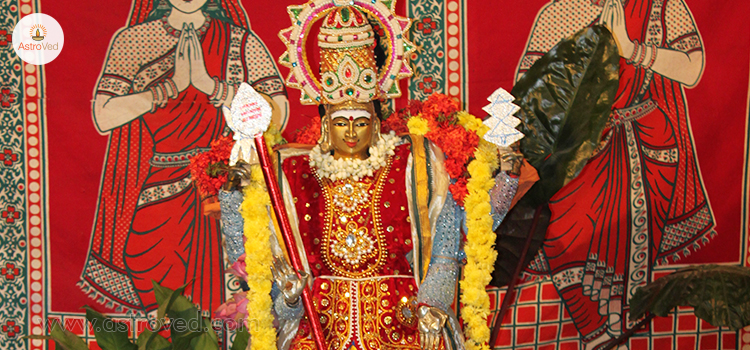
Sashti Viratham is a discipline observed throughout Tamil Nadu, Kerala and some places of Karnataka, Andhra Pradesh and in other countries such as Malaysia, Singapore and Sri Lanka. Sashti means six; vratham is a vow or rigorous discipline that includes fasting and observation of certain traditional practices. This festival is in honour of Lord Muruga or Subrahmanya, the son of Lord Shiva and Goddess Parvathi and younger brother of Lord Ganesha.
Sashti Viratham is observed on the sixth day of the bright fortnight after the new moon. This vratham is considered most auspicious in the month of Aippasi (October-November). It begins from the first day (prathamai) after the new moon that is associated with Deepavali and concludes on the sixth day after the New Moon.
The Tirunchendur Temple of Lord Muruga, the patron God of Tamizh, is in Tamil Nadu and attracts the largest number of Kanda/Muruga/Subrahmanya devotees during this festival. The festival marks the six day war that was waged between Muruga and Soorapadman. Muruga is empowered by all the Gods to kill the demon Soorapadman, the evil demon. He is given a special weapon, the Vel or spear, by his mother Goddess Parvathi.
Kandan’s Thiruvilaiyaadal (divine sport) against Sooran is enacted on the sixth day of the festival as Soora Samharam, the annihilation of the demon. After the demon is destroyed, he is given the dual honour of becoming the Lord’s vehicle as mayilvahanam, the peacock and the Sevalkodi (the rooster) on Muruga’s flag.
On the final day Kanda’s victory is celebrated with his wedding to Devayani, the daughter of Indra, the King of the gods.