Posts for Blog Category

A Trip Down South of Chennai – Part 1/3

Blog, Travellers & Travelogues - GoroadTrip - September 3, 2016

‘Shall we plan a trip to a neighbouring country this long weekend? I suppose I can take an extra day’s leave….,’ my hubby’s mind started to explore the foreign trip possibilities.

‘Why don’t we look at some places closer home? We have so many places yet to visit and see,’ I suggested and my children seconded it. We decided to go south of Chennai and zeroed in on Swamimalai in Kumbakonam district as our base to explore some parts of the region.

A frequent visitor suggested we take the Chennai-Trichy Highway route and we set off early Saturday morning. After a two hour drive, we stopped at a highway restaurant for breakfast. Just before Swamimalai at Jayamkondam, we turned to visit Gangai Konda Cholapuram temple. Rajendra Chola, built this temple to replicate the Brihadeshwara temple in Tanjavur built by his father RajarajaChola. This temple has the biggest Shivalingam in South India. The entrance of the sanctum has a beautiful image of Goddess Saraswathi. The icons of Suryapita and the Navagrahas depict the influence of the Chalukyas as well.

We reached Swamimalai at 2 p.m. After a refreshing lunch of the delectable local cuisine we headed to Swamimalai temple at 5 p.m. Lord Muruga here is called ‘Swaminatha Swami’, meaning ‘The Teacher of Shiva’ as he taught the Pranava Mantra, Aum, to Shiva. Shiva became the student and Muruga the teacher, hence Shiva’s shrine is at the foothill along with a shrine of Parvathi and Muruga’s is atop the hill which is an artificial one. The entire structure is indoors. Built by the Cholas the temple exists from the Sangam Period.

After prostrating before Shiva and Parvathi we went up the sixty steps leading to the deity of Muruga. Swamimalai is one of the six main abodes of Muruga. Fortunately for us the Maha Puja took place when we visited the temple at 6 p.m. and we returned feeling blessed at witnessing the Lord and His puja.

We retired early that night as we planned to hit the road to Thanjavur the next day.

The next morning after a sumptuous breakfast with many local dishes on the menu, we headed to Thanjavur which is about an hour’s drive from Swamimalai.

First on our list was Brihadeshwar Temple which is more popularly called as the Big Temple. The very first sight of the temple had us awed. The only thought that ran in our head was we had never seen any temple of this magnitude, either in size or area. The exterior of the temple complex is built like a fortress.

Leaving our foot wear at the entrance and having to walk a considerable distance proved challenging as the weather was so hot although it was October. We ran the distance trying to step on mats provided at scattering distances in the premises and managed to climb up the steps leading to the exterior of the temple sanctum before our blistering feet cried out in protest.

Facing the deity was a massive idol of Nandi which is estimated to weigh 25 tons and is 3.6 metres tall. The Nandi is seated in a separate ‘NayakMandapam’ has some intricately done carvings. Portraits of the early Nayak rulers can be seen on the front pillars.

The deity of Shiva Linga is 2.7 metres high and around seven metres in diameter. The inner sanctum is cool with breeze wafting in through the windows. While waiting to see the deity we admired the architecture which is in the Dravidian style and is in granite. The frescoes of Cholas, portraying Shiva in many actions givesus a peek into the mythological stories of Shiva and the Asuras or demons. The temple also has statues of Ashtadikpalakas or the eight guardians of directions.

After the darshan, we walked around in the cooler parts of the temple grounds and were awestruck by the intricate architecture of the Cholas.

The architects were so clever with their calculations and the very fact that the Vimana, which is the tower above the sanctum, is built at such an angle that its shadow never falls outside itself, is a testimony to their skills! It is the tallest in the South of India at 60 metres. The Shikharam, a tower like crown, is also said to be carved out of a single stone and weighs about 81.25 tons.

It was difficult to leave this imposing structure as there was so much more to see and discover. But a feeling of deep pride for our history, culture and traditions also existed and we walked out with heads held high and many pictures to recollect this wonderful trip.
Continue Reading

5 Places to Warm up this Winter Touring Rajasthan

Blog, Destinations - GoroadTrip - August 25, 2016

As the temperatures dip, Indians get bitten by the travel bug and how! Long vacations, short trips or adventure trails are all chalked out. There are plenty of places to mark your vacation spot this winter but the first one that springs to mind is the princely state of Rajasthan.

Showing its best side in winter Rajasthan charms with its royal attractions, Mughlai food and soft silks. A few among the best are:

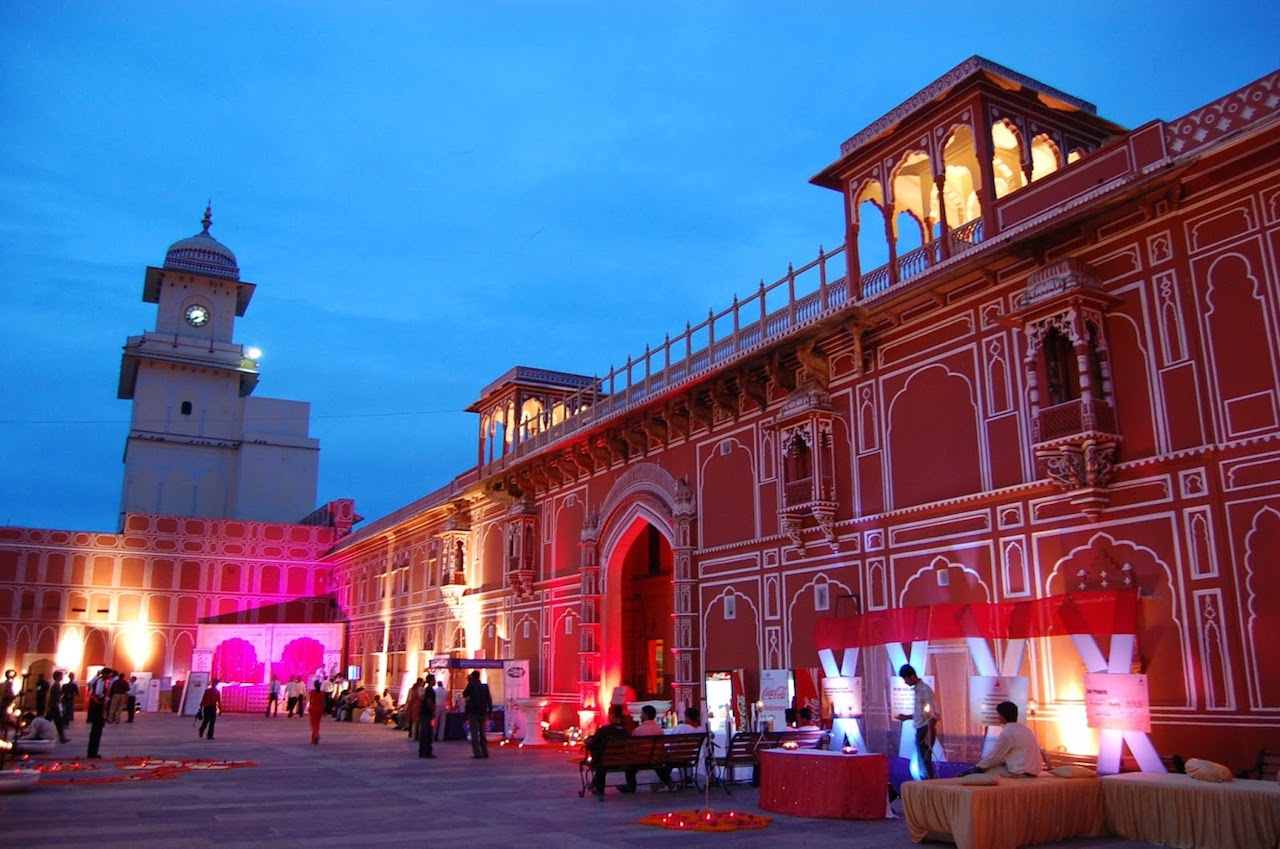
Jaipur: As the capital city, Jaipur draws more crowds. You can have a brush with royalty at the royal Amer Fort and City Palace, gorge on some local delicacies and binge on shopping. Add some elephant rides at the fort and the Jaipur Literary festival held in winter and Jaipur becomes a sought out destination; one you definitely won’t want to miss.

Udaipur: It is love at first sight for this lake city of Rajasthan. The reflection of the Lake Palace on the waters of Lake Pichola is perhaps the most romantic sight in the world. The City Palace and the Jain Temple are spectacular. You will not want to miss the evening shows at the Bagore-ki-Haveli and the vintage car collection of the Maharaja of Udaipur when in the town.

Jodhpur: The blue city of Rajasthan with the backdrop of Mehrangarh Fort is best viewed from the turrets of the city’s imposing fortress. Have gem stone shopping on your agenda and you are sure to come back pleased. You will not want to miss out on tasting some of Jodhpur’s delicious kachoris and samosas.

Jaisalmer: At Jaisalmer you are at the threshold of the Thar Desert. Get the authentic desert experience with camel rides, ethnic havelis and the sand coloured Jaisalmer Fort. A camping trip in the desert at winter is a magical experience with the bright and starry night skies, invigorating desert air and cosy bonfires.

Ajmer and Pushkar: The tour of Rajasthan will be incomplete without seeking blessings of the Almighty at the Dargah Sharif in Ajmer and the Pushkar temple with the Pushkar Lake. History says that Akbar would walk from Agra to the Durgah in Ajmer to pray. Mythology reveals that the Pushkar temple is the only temple dedicated to Lord Brahma and was created when Brahma dropped a lotus on earth.

The winter season is magical in India. Add to the magic by a visit to Rajasthan.

Please read it, if you have not!! Caves in Andhra Pradesh

Continue Reading

6 abodes of Muruga, the Tamizh Deity

Blog, Destinations, Festivals/Events, Heritage & Culture, Pilgrimage - GoroadTrip - August 13, 2016

Lord Muruga (Subrahmanya/Karthikeya), son of Shiva and Parvathi and brother of Lord Ganesha (elephant-headed god) is worshiped in Tamil Nadu as the patron deity of Tamizh language. He has six special temples dedicated to him called Aaru Padai Veedu.Thse temples are six camps associated with Muruga’s role as Commander-in-chief of the army of the gods.

The Aaru PadaiVeedus, the Six Holy Abodes (literally: ‘battle camps’) are very important for Muruga or Karthikeya’s devotees. The six temples of Karthikeya are in Tirupparamkundram, Tiruchendur, Tiruvavinankudi (Palani), Tiruverakam (Swamimalai), Tiruttani and Pazhamudircholai.

References to these temples are found in many ancient Tamizh literatures like Silapathikaram. Thirumurugatupadai – sung by the Tamizh saint poet Nakkeerar in 1st century CE – gives prominence to each temple. It also reveal that all these temples were well established even during the Sangam age from 1st to 3rd century CE. It has also been praised by Saint Arunagirinathar in his Thiruppugazh and in Kandar Alankaram.

Tirupparunkunram

The first among the six temples of Lord Muruga, Subramaniam Temple at Tirupparunkunram situated 9.5 kms south of Madurai is an ancient shrine dating back to the 2nd century BCE. Legend says that Lord Muruga wed Deyvayanai, daughter of Indra in this temple. This was after Karthikeya’s victory over the demon Soorapadman and the asuras.

The temple is built on the northern side of the hill at an elevation of about 300 feet from the foot of the hill. It has a 150 foot tall gopuram of seven tiers over the entrance. The main sanctum carved into the rock enshrines a well chiseled form of the Lord. Hollowed within the rock, you can find many mandapams with carved pillars, platforms, and other shrines with decorative relief and carvings on all surfaces. All abishekams are performed to the Vel in the main sanctum.

In this temple, unlike the other five, the deity is shown sitting in the kalyanakolam (auspicious/wedding form) with his consort Deivanai.

Thiruchendur

ArulmiguSubrahmanya Swami Tirukkoil or Thiruchendur Murugan Kovil (temple) is a popular pilgrimage destination situated in the Gulf of Mannar.Second abode in importance among the six homes and unlikethe other five temples situated on hilltops, this abode is on the seashore towards the tip of South India. Thiruchendur, is the Tamil name given to this place due to the abundance of sandalwood paste used in this temple.

It is said that Lord Muruga had set up his army camp in this place during his war against the demon Surapadman.‘Tiruchentil’ means the House of Victory and this is the ‘ooru’ or town in which Muruga’s victory is celebrated! Thiruchendur, the place of ‘chen’—sandalwood paste,is also known as Thirucheeralaivai, Jayanthipuram, ThirubhuvanaMadevi and SathurvediMangalam. The deity is called by different names like Senthilandavan, Senthilkumar in this temple.

The northern and eastern temple walls are washed by the dashing waves of the Gulf of Mannar. The origin of TiruchendurMurugan Temple is not known though the nucleus of the structure is said to have been here for more than 2,000 years as reported by the Tamil Classics. This temple is famous for the ‘Panneer-ilaiVibhuti’, the ash from a herbal leaf. Sri Adi Shankaracharyapraised it and said that just the sight of this sacred ash can cure many diseases.

Palani

The temple town of Palani features Karthikeya as a little lad. When the prize mango was given away to Ganesha, Murugabecame annoyed with his parents and came here to sit on top of this hill called TiruAvinankudi at the foot of the Sivagiri Hill. Siva pacified Subrahmanya saying that he was the fruit—pazham—of all wisdom and knowledge; and nee means you. Hence the place was called ‘Pazham Nee’ or Palani.

You had to originally climb many steps to reach the temple and old and infirm people had to be carried by ‘doli’s’ by two sets of porters changing midway at 225 feet height. Today winches carry pilgrims up and down simultaneously.

Tiruttani

On the way to Tirupathi from Chennai, to the left of the road you can see Tiruttani (Thiruttani) perched on a rock with its atypical vibrant red and white stripes on the walls.

The word Tiruttani comes from Tirutanikai meaning place of propitiation. (Tamil: Thiru-lord; thanigai-propitiate/cooling down). Muruga’s righteous indignation for the cruelty of the asuras (demons) to all creatures set him against the evil forces in various battles. It is said that his anger cooled down at this place and so it is also known as Shantipuri (abode of peace).

This 2000 year oldtemple is perched on top of a single rock, 700 feet above sea level. Lord Muruga came to rest here after destroying the demon Surapadman. Here Lord Muruga married his second consort, the gypsy girl Valli. The temple can be accessed by a hill road or through a flight of 365 steps, representing the days of the year, that lead up to the shrine.


Swamimalai Temple

The son became his father’steacher in this temple near Kumbakonam. Swamimalai meaning ‘God’s hill’, is an artificially made hill temple called ‘Kattu(built) Malai’.Another very important feature is that there are sixty well-laid steps leading to the temple top. These sixty steps represent the sixty years that constitutes a century in the Hindu calendar.

The temple is on the banks of River Cauvery on the road connecting Kumbakonam to Thiruvaiyaru. In this shrine, Lord Muruga is also known as Swaminathan and ‘Thagappan Swami’ meaning Lord of Shiva, his father.

Swamimalai is world famous for its school that teaches the ancient craft of making bronze icons.


Pazhamudircholai

The last temple of the six, this Muruga temple is perched on top of a hill amidst dense forests about 16 kms north of Madurai.It is the only one where Muruga can be seen with both his consorts, Valli and Devayani. Lord Muruga at Pazhamudircholai has been praised in old Tamil literature like the Silappathikaram, Ettuthokai and Pattupattu.

Local tribes continue to lead their traditional lives on this fertile hill with its natural springs and herbs. Even today, the place is very fertile with many trees and different flora and fauna reflecting the vivid description of the place’s natural beauty found in Tirumurugattruppadai of Nakkeerar, the Tamil saint.


The great Tamil saint poetess, Avvaiyar, was given fruit by the little lad Muruga and taught an important lesson in the semantics of Tamizh language

There are 33 Murugan temples in Tamil Nadu. The Tirupporur temple, 45 Km from Chennai, is an ancient temple built during the reign of the Pallava rulers.

Continue Reading

6 British Monuments in Kolkata

Blog, Destinations, Heritage & Culture - GoroadTrip - August 4, 2016

The British always thought ahead. This fact comes across in the use of modern techniques and science in the architecture of all the buildings designed by them. They were rather extravagant too in the use of metals including gold and in the size of their adornments like statues, shields, swords and pillars. Some of the British monuments that have stood the test of time and continue to impress modern day Kolkata are:

Raj Bhavan:

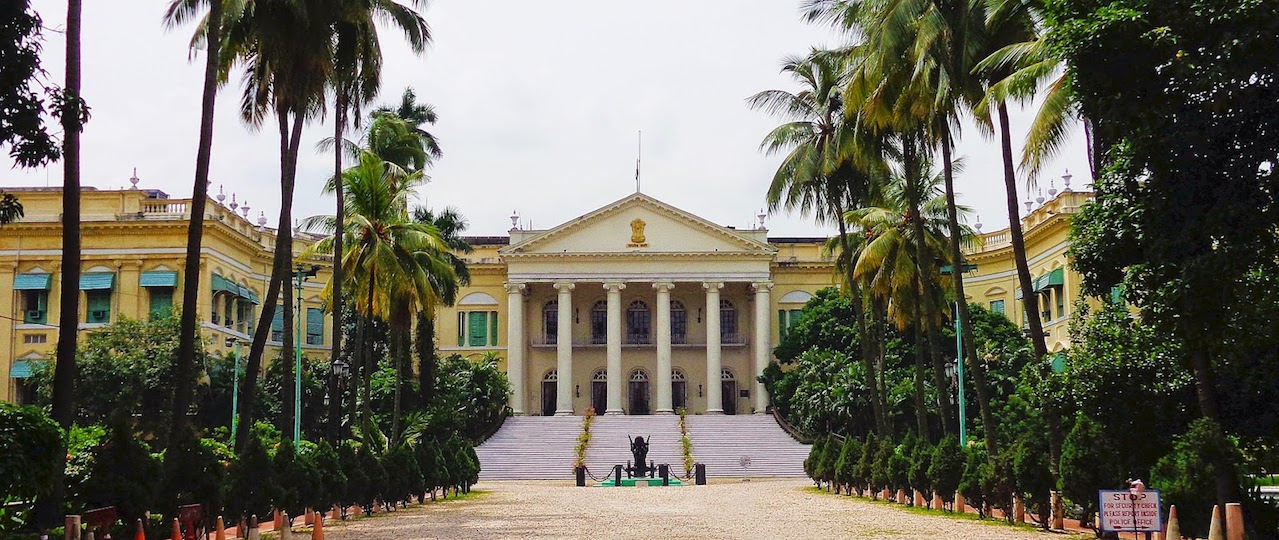
With a majestic outlook, the Raj Bhavan is now the residence of the Governor of West Bengal. Constructed during the governance of Marquess Wellesley, the building has the distinction of having the very first elevator of Kolkata.

Kolkata Town Hall:

Constructed in the Roman Doric style, the Town Hall was built with funds raised through a lottery. It was used for social gatherings.

Howrah Station:

Constructed first in the British period, the Howrah Station housed the second railway line linking Calcutta with Bardhaman coal fields. The first track essentially built for transporting goods eventually evolved into many platforms. Howrah Station is now one of the largest railway terminals of our country.

Writers Building:

Built in a beautiful European style by the British, Writers Building is today the secretariat of the West Bengal State Government. It also incorporates various departments of the state government.

St. Paul’s Cathedral:

This church, built by Bishop Daniel Wilson, showcases the Gothic Revival style of architecture. The beautiful church with its pristine exterior, stained glass windows and murals makes it one of the important attractions of Kolkata.

Victoria Memorial:

Built in the memory of Queen Victoria, the Victoria Memorial is a fine example of both British and Mughal architecture. Conceived by Lord Curzon and designed by Sir William Emerson, the building is built with white Makrana marble. Best at night with its many lights giving it a fairy tale appearance the Victoria Memorial with its lovely gardens standing on the banks of the Hooghly River, is one of the most visited monuments of the British period.


Stamps of the colonial era are left everywhere in our country. Kolkata has a whole chapter to itself.

Continue Reading

Last Minute Gifting ideas for Diwali

Blog, Festivals/Events - GoroadTrip - July 28, 2016

With Deepavali round the corner, shopping frenzies will be at their craziest peak. If only you had your list covered a month ahead. If only you could have ordered every gift online weeks ago. As you fret over the last minute planning and shopping, we come to your rescue with some best gifting ideas.

Home accents:

Homes can always use accents. What’s more they can be enjoyed by every member of the family. The items can be decorative like wrought-iron mirrors, candle holders or wall paintings. Or they can be practical yet colourful like cushions, clocks, shades or lamps. Home accents have an appeal all the time.

Kitchen utilities:

When you chose a gift that will find space in the kitchen, you can never be wrong. Any kitchen item you pick will have utility in this food production unit of the house. Now you can add glamour to the utility with the latest in non-stick cookware, trendy crockeries and multi-utility products like choppers and graters. Kitchen utilities can be repeated as gifts any time.

Electronics:

An all-time favourite, gadgets feature on everybody’s shopping list. Since these technology gimmicks are now second nature to almost everyone, rest assured that gifting one of its breed will reward you with an instant smile. Headphones, pen drives, selfie stick, wireless mouse, laptop and mobile accessories, this list is quite endless.

Car accessories:

For friends and relatives who spend the best part of their day driving, your gift ideas do not have to go far. With an extensive selection to choose from, car accessories are fast becoming a favourite gift choice. The list is unbelievable as everything from foldable bottle holders, solar powered fans, and car vacuum cleaners to the more exotic car refrigerators and car stereos are up for choice.

Gifts of the edible kind: If you are still short on time, you always have the back-up of sweets, chocolates and dry fruits. Rush to a nearby sweet shop and choose from a mind boggling variety. They are all displayed in hampers or decorative boxes which makes it easier to buy them on the go.

Deciding on what to buy is almost always the factor that eats into your time. Once you have that covered that you can kick-start, get set and go.

Continue Reading