Archives

Five Great Treks Around Chennai

Blog, Adventure Activities, Offbeat - GoroadTrip - February 16, 2016

Within 100 km of Chennai, hikers can choose many wonderful places to enjoy their favorite weekend.

Five Great Treks Around Chennai

1. Tada Falls

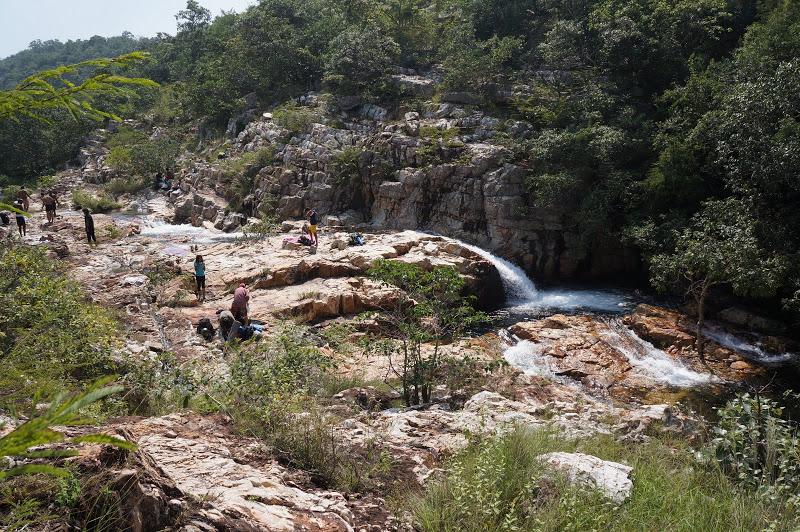
About 80 km from the hottest city. Chennai, Ubbalamadagu or Tada Falls in the Chittoor District (or Chittur), Andhra Pradesh, is a path along a stream that offers a refreshing break. The best time is from June to November for the monsoon, which adds a splash to the water and the surrounding jungle.
It is an easy route for cycling. The paths are easy and easy to reach. Get out of the base camp at the source of a bubbling stream.
The 10 km hike begins on a dry and muddy path. After about 2 km, the path becomes a rocky and rocky trail with rocks that require careful navigation. They pass small, beautiful and clean pools. You meet a Shiva temple, which is a landmark on the way. The area is green with beautiful birds that look the same and require a good deco.

2. Fort Gingee

Fort Gingee or Senji is one of the last strong survivors of Tamil Nadu. It is located in the district of Villupuram, about 160 km from Chennai. The Fort complex spans three main hills, Krishnagiri, Rajagiri and Chandrayandurg, with each hill having its own citadel.

The mighty and impregnable fort, called the Troy of the East by the British, was originally built in the 9th century AD by the Chola Dynasty. It was then rebuilt by the Kurumbar community, the shepherds of this region. Chatrapathi Shivaji, the emperor of the Maratha dynasty, conquered the fort as he moved south and then passed to the British.

The trekking path is roughly cut and the fixed steps go up to the fort. The climb is quite steep, but the breathtaking view of the landscape is worth it. Visit the cereal depot, the watchtower and the ancient temple. The best time for this hike is from November to February, the least sensual months of this state.

3. Pulicat Lake

Think of Rosa, think of flamingos and drive to Pulicat Lake and its 16 islands that attract many species of migratory birds from around the world. Irrukam is the most beautiful island of this region and the village can only be reached by boat. A passenger ferry is also located 8 km from Bimunivaripalem.

Flamingos arrive every year at Pulicat Lake for breeding in October and migrate in April of each year. The Flamingo Festival takes place in January. You can camp on Sandy Islands and go fishing!

4. Pichavaram

Pichavaram is the second largest mangrove forest in the world. Located near the city temple of Chidambaram, this unique ecotourism site in southern India has backwaters linked by the Vellar and Coleroon river system. Trekking offers plenty of opportunities for water sports, rowing, kayaking and canoeing.

Pichavaram is a 2800-acre archipelago with streams that meander through the root structures of mangrove forests. 177 species of 15 orders and 41 families were registered with residents, local migrants and real migratory birds. The best season lasts from September to April and increases from November to January.

5. Waterfalls of Perumedu, Yelagiri

The cool Hill Station of Yelagiri is a nice retreat from Chennai. About 220 km from Chennai, it is a trekker at an altitude of about 1050 m. The climb is through 14 hairpin bends bearing the name of a famous Tamil personage. Trekking in the lush green valleys, deep ravines, waterfalls and nature reserves makes Yelagiri great.

The breathtaking hike to the Perumadu Falls starts in Puthur, from where you cross a 3 km path through lush jungle areas and Perumadu Falls. From the summit, you can enjoy the beautiful view of the 40-foot waterfall that flows down the rocky side of the mountains. You can cool off in a magical spring water basin. Visit directly after the monsoon from November to February.
Continue Reading

Unraveling Hampi – Daroji Sloth Bear Sanctuary

Blog, Destinations - GoroadTrip - February 5, 2016

There is a certain intangible quality to discovering Hampi which makes it an experience like none other. This UNESCO World Heritage Site quite easily could be one of the only places in the world where you can interact so intimately with archaeology, history and nature in raw form.

Being the erstwhile capital of the prosperous Vijayanagara Empire, Hampi’s ruins include 500 civil, religious and military monuments spread over 25 sq,km. These are the remains of an ancient city that was considered to be the metropolis of a golden era.

Hampi is best seen on foot, or a combination of walking, bicycling, moped and climbing hilltops for grand views of the sunrise or sunset. Walking on seven-hundred-year-old streets, resting in stone stables where the King’s cavalry took shelter or whiling the afternoon away by the Queen’s Bath, the rocky outcrop of present day Hampi harbors a hundred thousand stories untold.

This ancient hamlet was chosen as Vijayanagara’s capital on account of its strategic proximity to the rapid Tungabhadra and the fact that it was, and continues to be flanked by, a seemingly endless range of brown bouldered hills, a feature that rendered the empire an impenetrable fortress.

Being a popular destination that has been tried and tested, there is very little we can say that hasn’t already been said about the glory of Hampi. Unquestionably a backpacker’s paradise and a pilgrim’s delight, travelers so far have been under the impression that they had to choose between the touristy sites around the main bazaar or take a coracle boat ride over the rapacious Tungabhadra River to further explore the ‘Other Side’ of Hampi.

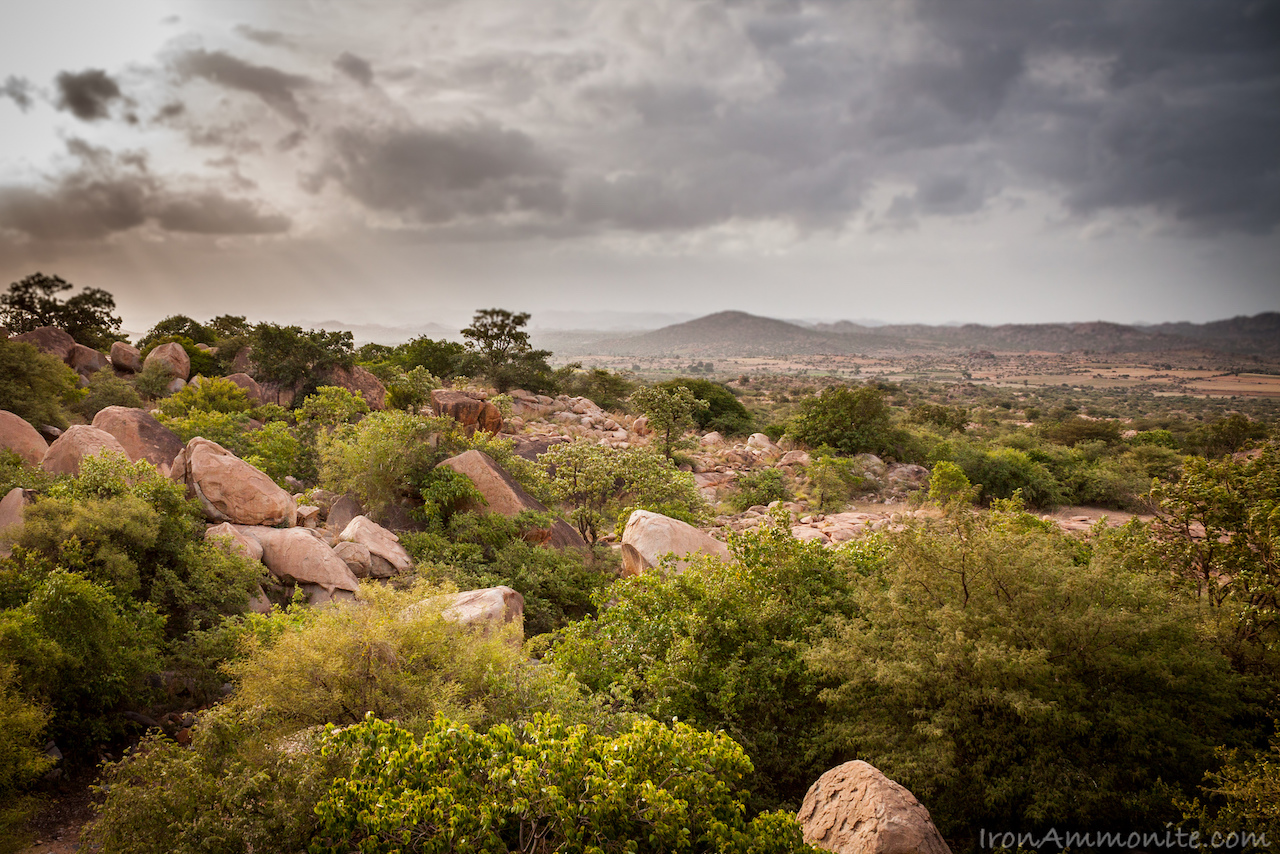
Contrary to these assumptions, we are about to reveal a third alternative that goes beyond Hampi’s historic and archaeological significance. Daroji Sloth Bear Sanctuary is a well kept secret of the scrub. This sanctuary is the only one of its kind in north Karnataka, stretching over 5,000 hectares with sheltered rock caves and boulder-strewn trails that offer ideal habitat for a range of fauna.

You can find the Daroji Sloth Bear Sanctuary at a short distance of 15 kilometers from Hampi town. This undisturbed forest tract dedicates itself to protecting the sloth bear against the numerous threats to its survival, including human-animal conflict and fragmented habitat.

The vast range of hills around Hampi, especially the stretch between Ramsagar (Hosapete) and Daroji (Sandur), have been home to this specie of bear from as far back as Hampi’s heydays. It was only in 1994 that the State Government declared Bilikallu Reserve Forest as Daroji Sloth Bear Sanctuary. Ever since, the Forest Department and other bodies have tirelessly strived, and converted the once barren region into lush forest where sloth bears freely roam.

These efforts include the planting of wild fruit trees that make for the bears most favorite food, not forgetting termites and honey of course, available in abundance within the sanctuary’s confines.

Along with the 120 sloth bears counted in a preliminary survey, Daroji’s habitat offers sanctuary to animals like leopard, pangolin, jackal, hyena, wild boar, porcupine, quail, mongoose and monitor lizard. The region also boasts of a variety of avifauna, with several great spots for birding.

Daroji remains open to visitors all seven days of the week – 6am to 6pm – who are required to get permission from the Forest Department prior to visiting. A day spent at the sanctuary should suffice. It is therefore recommended that you fit this into your schedule once you have spent a at least three or four days on the popular sights at Hampi. The best time to visit Daroji Sloth Bear Sanctuary is between August and April (corresponding with the season for Hampi i.e., between October and March); there are adequate options for lodging nearby.

With permission in hand, you can patiently watch the sloth bears from the tower as they emerge languidly from their rock caves to feed or forage. The hill of Karadikallu Gudda, bang opposite the watchtower, has hundreds of natural caves in which these bears take shelter. The sight of a mama bear with her cub or of males vying for territory is an extraordinary experience not included in the list of popular things to do around these world famous ruins.

Another intriguing offering of the wild landscapes around Hampi is the bamboo pit viper. This stark green snake is arboreal and can be found in the cool of streams, bamboo foliage or dense undergrowth.

The range of the bamboo pit viper isolates it to a small pocket of south India’s forests, of which this region is a part. This unique serpent is not found even in the dense forests of the Western Ghats. They possess the stunning ability to sense heat with their pits, located between eyes and nostril, which they use to make sense of their surroundings and track prey comprising lizards and birds. This pit viper is quite a shy snake and uses camouflage to keep from encounters with humans and predators. They are venomous and will strike, if threatened.

The next time you find yourself planning a trip to Hampi, be sure to get a taste of its wild side; the sloth bears and bamboo pit vipers patiently wait alongside the untold stories of this ancient rock outcrop.

Read more about Hampi or Plan a Trip to Hampi

Continue Reading

Beyond the Beaches of Goa

Blog, Destinations, Offbeat, Weekend Getaways - GoroadTrip - January 23, 2016

Our mind-map of Goa freezes on its beaches … a cliché committed by the Western yearning for sun and sand. However, there is a wonderful landscape in Goa’s interior, populated by interesting characters, a rich and vibrant culture and a gastronomic tradition that is a cuisine with many flavors and cooking techniques.

Let’s start with the oldest Latin quarter Fontainhas in Panjim or Panaji. It lies at the foot of the Altinho hills with springs on the west side, which give it the name Fontainhas. To the east is the ancient Ourem Creek, built on reclaimed land. In Fontainhas, fairy lights glitter at the bistro entrances on the roadside. As you float through the streets, you can hear the soothing sound of violins and accordions interrupted by rattling pelvis while someone beats a rhythm on the drums. The guest houses are old mansions full of carved wooden furniture, lace curtains and scents of wonderful food flowing through the open doors.

The chapel of San Sebastián in the area is a bright white with noise that crosses the street on which it is located. Built in 1818, it contains a crucifix that was in the palace of the Inquisition in Old Goa. In mid-November, the street mass in front of the chapel shows the love of life, laughter, food and Feni. He celebrates the feast of Our Lady of the Law of Livrament. Next to the chapel is a painted fountain, which should fulfill wishes!

As you drive through the winding streets of Goa, you will be amazed by the ceramic facades of the houses. It seems like the walls of the bathroom have been uncovered, but other pretty bungalows with Spanish villa designs redeem the cityscape. The Goanic architecture of churches and ancient buildings reflects the remnants of Portuguese civilization. The bungalows with loft verandas and atypical wrought iron balconies, the patios often with a ringing fountain and tiled courtyards have old world charm. The famous buildings include the famous Basilica of Bom Jesus, the Church of St. Francis, the Se Cathedral, the Church of St. Augustine, the Church of St. Anne and Mary Immaculate Conception.

Shri Mangesh Temple in the village of Mangeshi in Priol, Ponda Taluk, (near Mardol near Nagueshi) is 21 km from Panaji. This temple is one of the largest and most visited temples in Goa. The most famous and most revered singer in India, Lata Manghkar and his family, got their name from this temple. The story of this temple is part of the virulent history of Goa!

The streets of the village are populated by the seller of Vadapav, the coconuts piled in the citadels and the sellers of bananas in the light saris. When it’s the right time of the day, you see women walking on the basket with the basket swinging a tune that only they can hear. The vegetable cart rolls like an impressionistic painting in magnificent colors, with the red tomato as a highlight. Bougainvilleas of all colors climb and crawl along doors, walls and doors, and palms waft in the breeze reminiscent of the sea.

Located near the border between Goa and Karnataka, the Dudhsagar waterfalls are a wonderful sight and can easily be reached by bus and taxi.

The Dr. Salim Ali Bird Sanctuary is located near Panaji on the Mandovi River. It is a mangrove grove where amazing bird species live. Covering an area of ​​1.78 square meters, you can take a ferry and a pleasant ride early in the morning to reach the shrine.

The Bhagwan Mahavir Wildlife Sanctuary in Mollem is Goa’s largest conservation area. Therein is the National Park of Molem. The Sanctuary has many animals including Gaur, Sambar, Leopards, Spotted Deer, Thin Tori, Jungle Cats, Malaysian Giant Squirrels, Pythons and Cobras. Plan to stay a few days to see the wildlife.

Take a wonderful walk to Surla Falls and discover the deeply satisfying atmosphere of Tambdi Surla Village and Shiva Temple in the thick jungle of Bhagwan Mahavir National Park. This classic 12th century temple with its intricate structure is carved in basalt. Its timeless beauty has survived severe weather conditions, attacks from Portuguese attacks and others. Paved paths and avenue

Continue Reading

Most Popular places in Thrissur – Cultural Capital of Kerala

Blog, Destinations - GoroadTrip - January 11, 2016

Thrissur is one of the most popular places in Kerala and is visited by tourists throughout the year. It has incredible places of heritage on a pilgrimage to nature.
Thrissur, Kerala

Most Popular places in Thrissur – Cultural Capital of Kerala

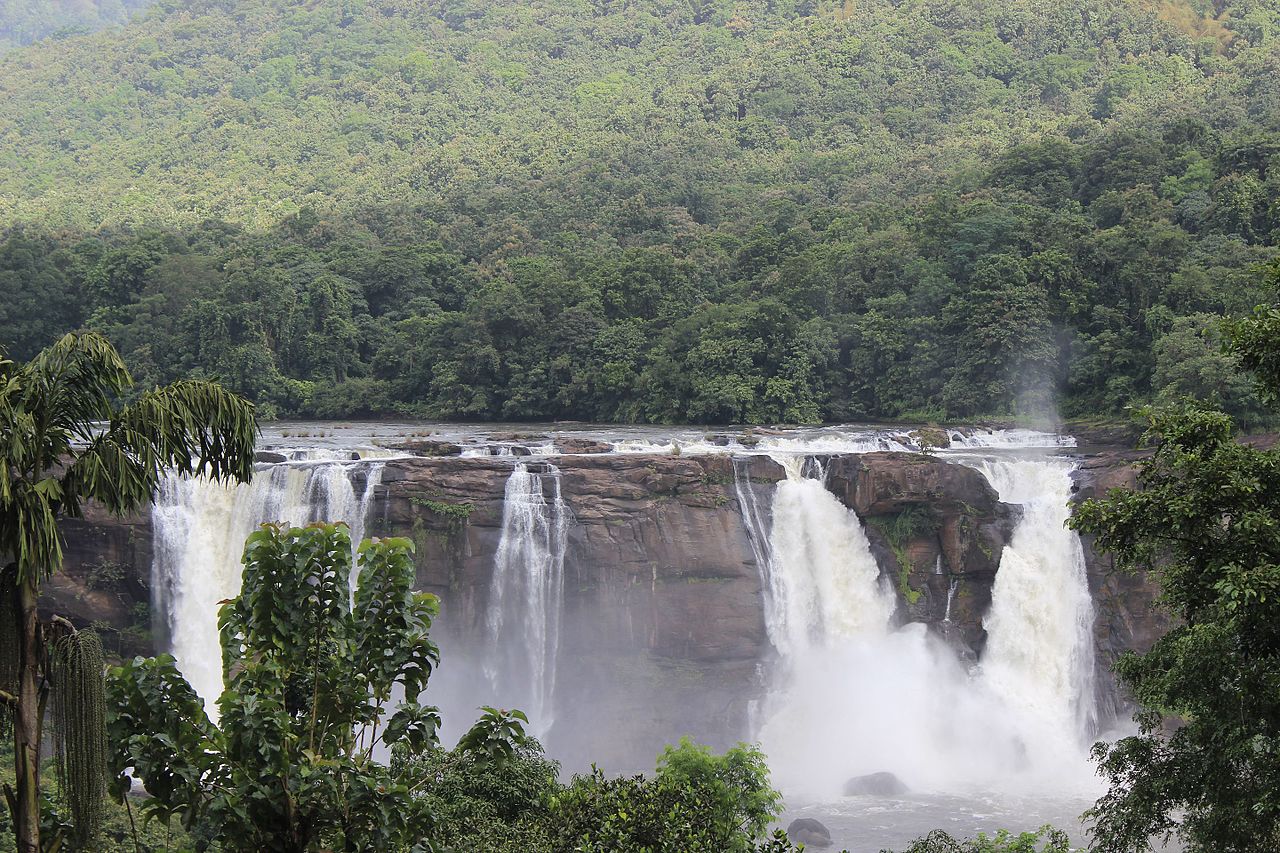
1. Athirappally falls:

As you drive to the beautiful waterfalls of Athirappally, you will be overwhelmed by the scenic beauty of the surrounding countryside. A fertile landscape and winding roads through the hills, quiet hamlets, a festival of coconut and rubber plantations and babbling brooks will make you feel like being in an enchanted land!

2. Guruvayoor Temple:

“Enthus Guruvayurappa” is a general exclamation that can be heard throughout the world by Malayalees, the people of Kerala. The presiding Deity is worshiped in this sanctuary as Balakrishna and the image is a rare stone called Patala Anjana.

3. Vadakkumnathan Temple:

Vadakkumnathan Temple stands majestically on an elevated hill in the center of Thrissur. One of the largest and oldest temples of Shiva of Kerala is known for its beautiful murals on the walls. The Thrissur-Pooram festival, with its impressive elephant parade, powerful drum and cymbal play and magnificent fireworks make it an unforgettable experience.

4. Vazhachal forest gardens and waterfalls:

Vazhachal Forest Gardens and waterfalls are a delight for nature lovers. These wooded gardens and bubbling waterfall are breathtakingly beautiful – a great place for a picnic surrounded by nature at its best. Vazhacahal is very popular with filmmakers because of its scenic environment and many film shoots are held here.

5. Basilica of Our Lady of Sorrows:

The Basilica of Our Lady of Dolours is obviously the largest and the highest church in Asia. This imposing Gothic-style church is a remarkable building with turrets on the front door, two-storey aisles along the nave and transepts, and eleven altars. The interiors are beautiful with murals depicting scenes from the scriptures and images of saints.

Continue Reading

Pondicherry – Where India meets France

Blog, Destinations, Weekend Getaways - GoroadTrip - December 28, 2015

With its chilled out laid-back atmosphere, Puducherry Tourism’s tagline ‘Give time a break’, aptly sums up a holiday spent here. Pondicherry (Puducherry), with its quaint French names, its boulevards and grand villas is dotted with restaurants and cafes serving French and international cuisine, and delicious seafood.

Pondicherry – Where India meets France

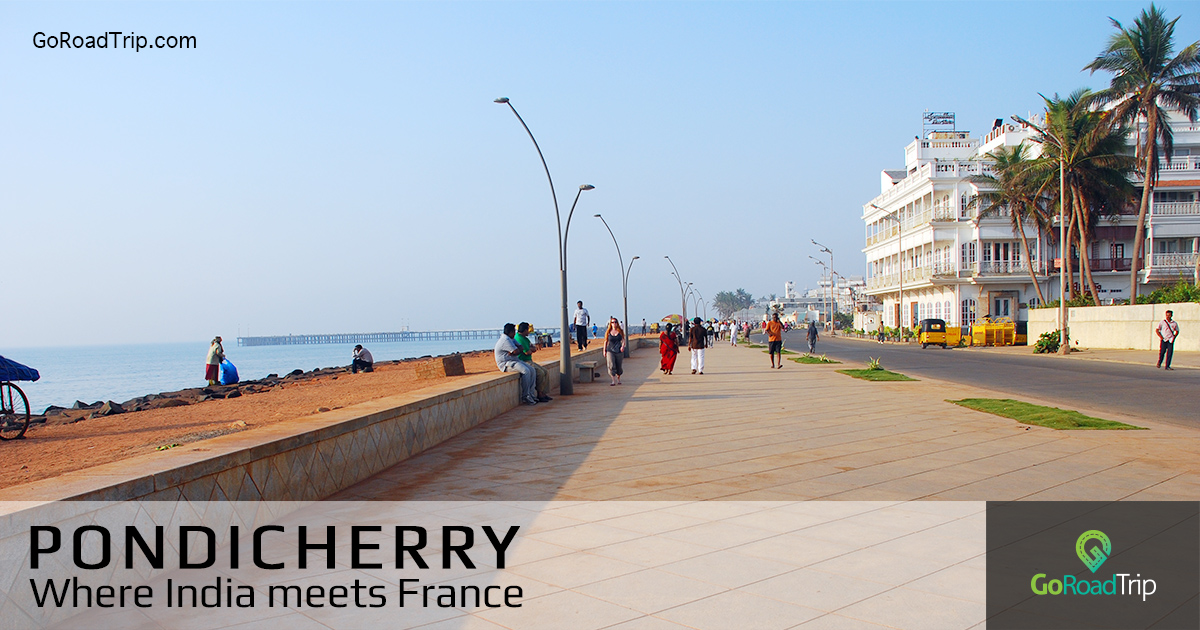
1. Promenade Beach

Promenade Beach is one of Pondicherry’s most enduring landmarks and its most popular beach. While the beach per se is a rocky stretch, the 1.5 km long Beach Road or Goubert Avenue, which runs parallel to the Beach, is well-maintained and is a great place for a leisurely evening stroll.

2. Manakula Vinayagar Temple

Manakula Vinayagar Temple dedicated to Lord Ganesha is a famous temple in Puducherry (Pondicherry).

3. Chunnambar Backwaters

The Chunnambar Backwaters is a very popular destination for fun, sports, romance, and beauty. The water is clean and the sand pristine.

4. Aurobindo Ashram

Sri Aurobindo Ashram, Pondicherry’s most well-known tourist attraction attracts spiritual seekers not only from India but from across the globe.

5. Auroville Beach

Auroville Beach is a beautiful beach located in the vicinity of Auroville. It is situated along the shoreline bordering the Bay of Bengal and is a famous destination among tourists who visit Pondicherry.

Continue Reading