
How to Travel Iceland on a Budget in 2026: Complete Money-Saving Guide
Iceland has a reputation for being eye-wateringly expensive, but with smart planning you can absolutely travel Iceland on a budget without missing its waterfalls, glaciers, hot springs, and black-sand beaches. This in-depth guide (designed to support your main Iceland guide) shows you exactly how to keep costs under control while still enjoying an unforgettable trip.
For inspiration on where to go once you’ve figured out your budget, don’t forget to check out these incredible places to visit in Iceland, from iconic waterfalls to dramatic coastal landscapes.
Understanding the True Cost of a Trip to Iceland
Before you can travel Iceland on a budget, you need a realistic idea of where the money goes and which levers you can pull.
Main expense categories
-
Flights – Usually a one-time big hit, but can be kept reasonable with flexible dates and airports.
-
Accommodation – Guesthouses, hostels, hotels, and camping; this is often your biggest daily cost.
-
Transport – Car rental and fuel, or tours and buses if you don’t drive.
-
Food & drinks – Eating out in Iceland is expensive; groceries and self-catering are the big money-saver.
-
Tours & activities – Glacier hikes, ice caves, boat tours, and adventure excursions add up quickly.
Typical daily budget ranges
These rough ranges will help you aim your planning when you travel Iceland on a budget:
-
Shoestring budget (hostels, hitchhiking, camping, groceries, minimal tours):
About 80–120 USD per day. -
Comfortable budget (car rental split between 2–3 people, guesthouses, mix of self-catering and occasional meals out, one or two paid tours):
About 150–250 USD per day. -
High-end (private rooms, regular restaurant meals, multiple tours):
250+ USD per day.
If your goal is to travel Iceland on a budget, you’ll aim for the first two categories, using every section below to pull costs down.
When to Visit Iceland on a Budget
Timing is one of the most powerful tools you have for saving money in Iceland.
High season vs shoulder season vs winter
-
Summer (June–August)
-
Pros: Long daylight hours, best road conditions, easiest for first-timers.
-
Cons: Highest prices for accommodation and car rental, more crowds at famous spots.
-
-
Shoulder seasons (April–May, September–October)
-
Pros: Lower prices, fewer crowds, still decent weather and longish days.
-
Cons: Some highland roads and remote areas may still be closed; weather more changeable.
-
-
Winter (November–March)
-
Pros: Cheaper accommodation, northern lights, fewer visitors.
-
Cons: Short days, potential storms, road closures, need to be flexible.
-
Best timing if you want value + good conditions
To travel Iceland on a budget without sacrificing too much comfort:
-
Late May to mid-June – Many services are open, weather improving, but prices haven’t peaked.
-
September – Still enough daylight, autumn colors, northern lights chances, and better deals on stays and car rentals.
If you are on a tight budget and have flexibility, basing your trip around these months often saves hundreds of dollars on the exact same itinerary.
How to Find Cheap Flights to Iceland
Getting to Iceland is often cheaper than people think, especially if you’re strategic.
Flexible search strategy
To start your mission to travel Iceland on a budget:
-
Use flexible date search tools to scan a whole month for the cheapest dates, rather than picking a fixed week.
-
Check nearby departure airports – Sometimes flying from a bigger hub a few hours away can save a lot.
-
Midweek flights (Tuesday–Thursday) tend to be cheaper than weekend departures.
One-way vs return and low-cost carriers
-
Compare round-trip vs two separate one-way tickets, especially if you’re pairing Iceland with another European destination.
-
Look at budget carriers that fly into Keflavík, but remember to factor in baggage fees – traveling with carry-on only can be a big saving.
If your dates are flexible and you’re willing to travel light, flights don’t have to blow your budget before you even arrive.
Budget-Friendly Transport in Iceland
Transport is where many people overspend, but it’s also where you can save the most when you travel Iceland on a budget.
Should You Rent a Car or Use Tours?
When car rental makes sense
For most travelers who want flexibility and are traveling with at least one other person, renting a car is often the best value:
-
You can self-drive the Golden Circle, South Coast, and Snæfellsnes Peninsula instead of booking multiple day tours.
-
You can shop at cheaper supermarkets and stay slightly outside main hubs, where accommodation is more affordable.
-
You’re not tied to tour departure times, which is especially useful for sunrise and sunset photography.
To keep car rental budget-friendly:
-
Book early, especially for summer or popular holiday periods.
-
Choose a small, fuel-efficient car unless you’ll be driving rough F-roads (in which case you need a 4×4).
-
Check what’s included (extra driver, insurance, mileage) and avoid upsells you don’t really need.
When tours or public transport might be better
There are scenarios where not renting a car can help you travel Iceland on a budget:
-
Short stays (2–3 days) focused around Reykjavík and the Golden Circle – you can take day tours or combo tours from the city.
-
Solo travelers who’d otherwise pay the full cost of a car on their own.
-
Winter trips if you’re not confident driving in snow/ice and want to leave it to professional tour operators.
You can also combine approaches: rent a car for a few days around Reykjavík and the South Coast, then return it and focus on day tours or Reykjavík-based activities.
Saving Money on Car Rental and Fuel
Practical ways to cut car costs
If you decide to rent a car to travel Iceland on a budget:
-
Compare several local and international rental companies – the cheapest isn’t always the biggest brand.
-
Pick up and drop off at the same location to avoid extra one-way fees.
-
Skip paid GPS and use offline maps on your phone (downloaded in advance).
-
Share the car cost between 2–4 people – this dramatically reduces the daily per-person expense.
Fuel and driving tips
Fuel is not cheap in Iceland, but you can soften the blow:
-
Plan your routes in advance to avoid unnecessary backtracking.
-
Use apps or Google Maps to spot cheaper fuel stations along your route.
-
Stick to the main Ring Road and paved roads if you don’t need a 4×4 – this reduces wear and risk.
Driving sensibly and planning your route carefully can save both money and stress on a budget trip.
Budget Accommodation in Iceland
Accommodation will probably be your largest daily expense, so this is a major focus when you travel Iceland on a budget.
Main types of budget-friendly stays
-
Hostels – Best for solo travelers or groups comfortable with dorms. Many have kitchens, which is a massive money-saver.
-
Guesthouses & farm stays – Often more affordable than full-service hotels, with a homier feel and sometimes breakfast included.
-
Apartments / self-catering cabins – Great for couples or small groups who want to cook; can be cheaper than multiple hostel beds.
-
Camping – The cheapest option in summer if you have basic gear and don’t mind simple facilities.
Booking strategies to save money
To keep your nightly costs down:
-
Book well in advance for high-demand areas like the South Coast, Golden Circle, and Reykjavík, especially in summer.
-
Stay slightly outside major hubs – for example, near but not in Reykjavík or Vik – where prices can drop meaningfully.
-
Look for places that include breakfast; that’s one less meal to pay for.
-
If you’re traveling as a group, compare the total cost of a cabin or apartment vs multiple dorm beds – the apartment sometimes wins.
If your priority is to travel Iceland on a budget, mixing hostels, guesthouses, and maybe a night or two of camping often gives the best blend of comfort and savings.
How to Eat Cheap in Iceland
Food is one of the big surprises for first-time visitors. Eating every meal in restaurants will destroy any attempt to travel Iceland on a budget.
Supermarkets and self-catering
Your biggest savings will come from using supermarkets:
-
Look for budget chains like Bónus, Krónan, and Netto for groceries.
-
Choose simple, cookable foods: pasta, rice, eggs, bread, cheese, soups, frozen veggies, and ready-made sauces.
-
Make use of hostel and guesthouse kitchens – cook dinner and prep lunches for the next day.
-
Always carry snacks, fruit, and sandwiches when driving long distances to avoid pricey petrol station food.
Tap water in Iceland is safe and excellent quality, so never buy bottled water – use a refillable bottle and fill up for free.
Cheap eating out options
You don’t have to skip eating out entirely to travel Iceland on a budget:
-
Hot dog stands (like the famous ones in Reykjavík) are a cheap and very local meal.
-
Look for lunch specials in Reykjavík – many restaurants have cheaper midday menus than in the evening.
-
Consider street food markets or food trucks when available.
-
If breakfast is included at your accommodation, eat a hearty breakfast so you can get away with a light lunch.
A good pattern for budget travelers is: big breakfast + DIY lunch + occasional restaurant dinner.
Free and Low-Cost Things to Do in Iceland
One of the biggest advantages when you travel Iceland on a budget: many of the country’s most spectacular sights are completely free to see.
Free nature experiences
-
Waterfalls – Gullfoss, Skógafoss, Seljalandsfoss, Goðafoss and many more have no entrance fee (some may charge for parking).
-
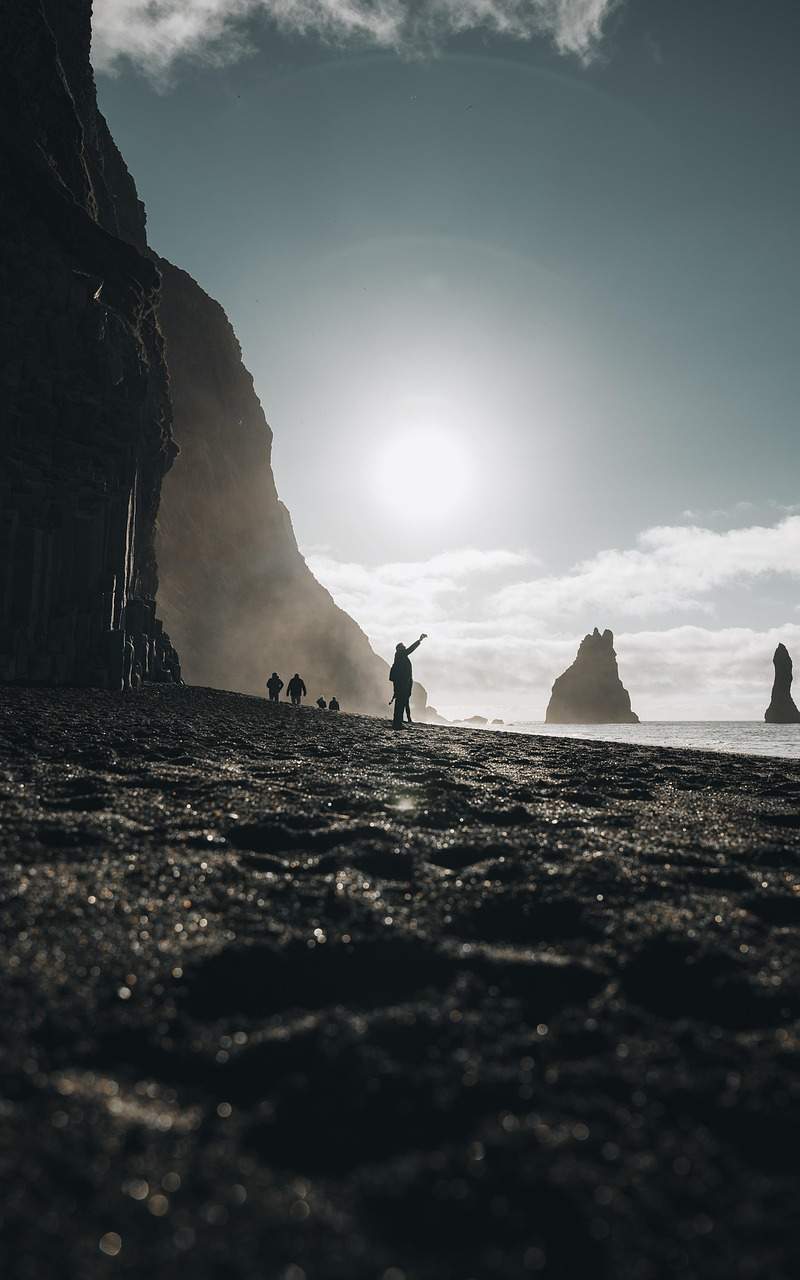
Beaches and coasts – Black-sand beaches, dramatic sea cliffs, and coastal viewpoints are free to access (again, sometimes small parking fees).
-
National parks and viewpoints – Places like Þingvellir National Park, various lava fields, and scenic lookouts are typically free.
Just respecting signage, staying on paths, and paying any small parking fees keeps these spots accessible and protected.
Affordable paid experiences
Some incredible experiences are relatively cheap compared to big-ticket tours:
-
Municipal swimming pools and hot pots – These are a huge part of Icelandic culture and very budget-friendly compared to premium lagoons.
-
Local museums and cultural centers – Many small-town museums have low entrance fees and provide a deeper understanding of Icelandic life.
-
Simple boat trips or farm visits – In some regions, you can find affordable boat tours or farm experiences if you shop around.
A budget-friendly strategy is to build your days around free outdoor sights, then add one or two lower-cost pay-to-enter experiences across the entire trip.
Tours vs Self-Guided: Where to Save and Where to Splurge
You don’t have to skip all tours to travel Iceland on a budget; you just need to be selective.
Tours worth prioritizing
Some activities are best – or only safely – done with a guide:
-
Glacier hikes and ice caves – You need proper equipment and experienced guides for safety.
-
Snorkeling or diving in Silfra – Requires specialized gear and knowledge.
-
Some winter northern lights trips – Particularly useful if you don’t have a car or are nervous about night driving.
If your budget allows, choose one or two “dream” tours you’ll remember for the rest of your life, and then keep the rest of your days self-guided.
Activities you can do on your own
To stay focused on your goal to travel Iceland on a budget, opt to self-guide when possible:
-
Golden Circle – Very easy DIY with a rental car; clear roads and well-marked stops.
-
South Coast waterfalls and beaches – All reachable on your own with a flexible schedule.
-
Snæfellsnes Peninsula – A mini-Iceland with mountains, cliffs, and beaches you can drive around in a day or two.
-
Reykjavík city sightseeing – Walkable or accessible by local buses.
Every self-guided day essentially replaces a tour cost with fuel and your own food, which is almost always cheaper.
Example Budget Itineraries (With Cost-Saving Logic)
Below are sample itineraries that show how to travel Iceland on a budget without sacrificing the “wow” factor. These are not exact prices but frameworks you can customize.
5-Day Budget Iceland Highlights (Car + Guesthouses)
Day 1 – Reykjavík & Blue Lagoon alternative
-
Land in Keflavík, pick up a small rental car.
-
Explore Reykjavík on foot: harbor area, Hallgrímskirkja church, local hot dog stand for dinner.
-
Evening soak at a local swimming pool instead of a premium lagoon for a cheaper but authentic experience.
Day 2 – Golden Circle on a budget
-
Self-drive Golden Circle: Þingvellir, Geysir, Gullfoss.
-
Pack supermarket lunch and snacks from Reykjavík.
-
Stay in a guesthouse slightly outside major tourist hubs to save on accommodation.
Day 3 – South Coast waterfalls
-
Drive to South Coast: Seljalandsfoss, Gljúfrabúi, Skógafoss.
-
Visit a black-sand beach (taking care with warning signs and waves).
-
Overnight in or around Vík.
Day 4 – More South Coast or Snæfellsnes
-
Option A: Continue along the South Coast toward Skaftafell (if you don’t mind a long day drive).
-
Option B: Head back toward Reykjavík to position for Snæfellsnes.
-
Cook dinner in accommodation kitchen to cut costs.
Day 5 – Snæfellsnes or Reykjavík + departure
-
Early start for Snæfellsnes Peninsula: Kirkjufell, Arnarstapi, coastal cliffs; or extra Reykjavík museum time.
-
Return car and head to airport.
This kind of itinerary lets you travel Iceland on a budget by focusing on self-drive days, free sights, and self-catering while still seeing a lot.
8-Day Low-Cost Campervan Ring Road Lite
If you’re comfortable with van life, this is one of the best ways to travel Iceland on a budget:
-
Day 1–2: Reykjavík + Golden Circle (sleep in campervan at a campground).
-
Day 3: South Coast to Vík area (waterfalls and beaches).
-
Day 4: Further along South Coast toward Skaftafell and Jökulsárlón.
-
Day 5: East Fjords (small fishing villages, scenic drives).
-
Day 6: North Iceland (Mývatn area, Goðafoss).
-
Day 7: Snæfellsnes Peninsula.
-
Day 8: Return to Reykjavík and depart.
Most of your cost here is campervan + fuel + groceries, which you control tightly. You can add one special tour, like a glacier hike, to round out the experience.
Practical Money-Saving Tips for Iceland
To truly travel Iceland on a budget, combine many small savings with a few big strategic choices.
Packing and preparation
-
Bring good waterproof layers, hats, gloves, and solid shoes from home so you don’t have to buy expensive gear in Iceland.
-
Pack a refillable water bottle and a small thermos for hot drinks on the road.
-
Consider bringing a lightweight sleeping bag if you’ll be in hostels or a campervan – some rentals charge extra for bedding.
Payments and money
-
Cards are accepted almost everywhere; you don’t need much cash.
-
Watch out for dynamic currency conversion on card machines – always choose to be charged in local currency.
-
Check your card’s foreign transaction fees and, if necessary, get one that doesn’t charge extra for international use.
Avoiding fines and surprise costs
-
Learn basic parking rules and always pay for parking where required; fines can be steep and quickly ruin your budget.
-
Respect road closures and weather warnings – getting stuck or needing recovery is expensive.
-
Drive slowly on gravel roads to avoid damage charges from your rental company.
Being careful with your planning, driving, and day-to-day spending is as important as finding discounts.
Is Iceland Really Worth It on a Tight Budget?
Many people wonder if they can or should travel Iceland on a budget at all, given its reputation. The answer is yes – if you:
-
Travel in shoulder season instead of peak summer.
-
Share a car and accommodation costs with at least one other traveler.
-
Embrace self-catering and use supermarkets.
-
Build your days around free natural sights and choose just one or two paid tours.
With that mindset, you can enjoy glacier lagoons, roaring waterfalls, lava fields, and maybe even the northern lights without going into debt, and your experience will still feel rich and full.
.