Posts for Blog Category

Sholas of Kodaikanal

Blog, Wild life & Conservation - GoroadTrip - April 16, 2016

The Premier Hill Station

The cool, crisp air of the hills beckons as you drive up the majestic rocky slopes of Kodaikanal. Steep and winding, the views get increasingly spectacular with the gradual rise in altitude. We have traveled far and wide but still come up short in finding a paradise as wild as Kodai, putting the premier hill station in a league of its own.

This age old Imperial holiday choice is currently among the top ten destinations for trekking in south India. From among valleys that are shrouded in mist all day long is unveiled the delicate grasslands of Shola, merely one of the many rich and beautiful ecosystems in the prolific sub-continent of India.

Introducing the Sholas

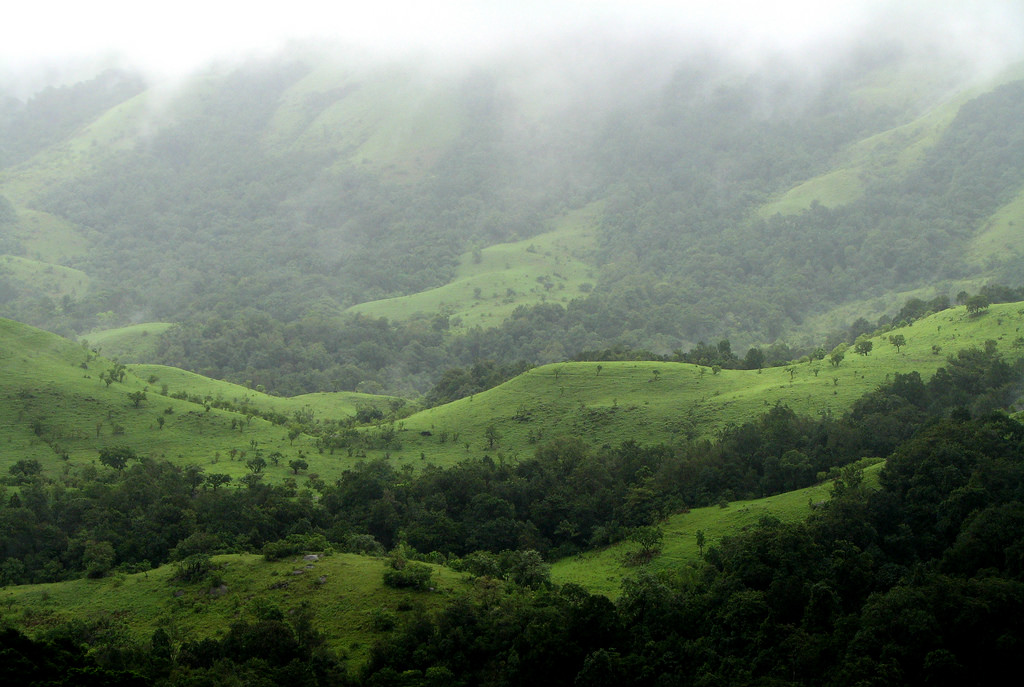
One loses hours just gazing at the hilly vistas of Kodai; among the lush forested valleys and cliffs, you will notice certain rounded hilltops that look rather bald in the dry summers or a brilliantly radiant green in the monsoon. These seemingly bare and naked patches are grassland hilltops, forming a part of one of India’s most crucial ecosystems.

Scientists are still out on the precise origin of the Shola ecosystem, a highly debated subject on which researchers are yet to reach firm conclusions. Thriving within the tropics, the Sholas are found at high altitudes (beyond 1500 meters above mean sea level) and as part of the biodiversity hotspot of the Western Ghats, they naturally support a host of endemic flora and fauna.

Essentially, the Shola complex is a mosaic of dense valleys of montane evergreen separated from one another by extensive grassland; this is a gloriously unique combination of greens from which unforgettable views are born.

The Shola grassland complex falls under classification of southern wet temperate forests and can also be found in Palakkad, Wayanad, Idukki, Thiruvananthapuram and Agasthyakoodam in Kerala; the Nilgiris and Palani hill ranges in Tamil Nadu and Kudremukh, Sharavathi Valley, Chikmanglur and associated regions in Karnataka.

Where the clouds are your constant companion…

This ecosystem is a part of the broader class of ‘tropical montane forests’ that exist in three sub-categories in India – montane wet temperate, Himalayan moist temperate and Himalayan dry temperate forest types. Alternatively, the Sholas are also categorized as ‘tropical montane cloud forests’ or just ‘cloud forests’, a type of forest defined by a primary feature i.e., the persistent presence of cloud cover.

True to this definition, when you spend a luxurious few days just trekking the Palani Range of hills (on whose fringes Kodai is poised), the clouds are a constant companion, collecting in the hollow of deep valleys every few minutes only to fall in magnificent rain soon after. By virtue of its high altitude, the Shola hilltops eternally kiss the clouds and so manage to capture a substantial amount of moisture from them. This distinguishes them as cloud forests.

An endless range of grass meadows

Shola trees display stunted growth owing to the severe wind action of the peaks, their foliage sports a variety of colors, brushed with blazing oranges and maroons that fire up the dark green canopy. Collectively though, the Sholas appear as an endless range of grass meadows on hill ridges and tops, easily one of the most gentle and pleasing avatars Mother Nature quietly slips into.

The immense endemicity of fauna in the Shola grasslands can be attributed to their isolation, altitude and evergreen nature. Tigers, leopards, sambhar deer, porcupines, muntjak, bison and elephants are among the many mammals found here. Though disappearing, the Sholas are the primary natural habitat for the Nilgiri Tahr (given the prestigious title of state animal of Tamil Nadu) that has emerged as a flagship species to save its grassland home. It is because of the decades of tireless conservation efforts spent toward preserving this rare and endangered goat-antelope that the grassland ecosystem of Sholas has finally been put on priority for conservation.

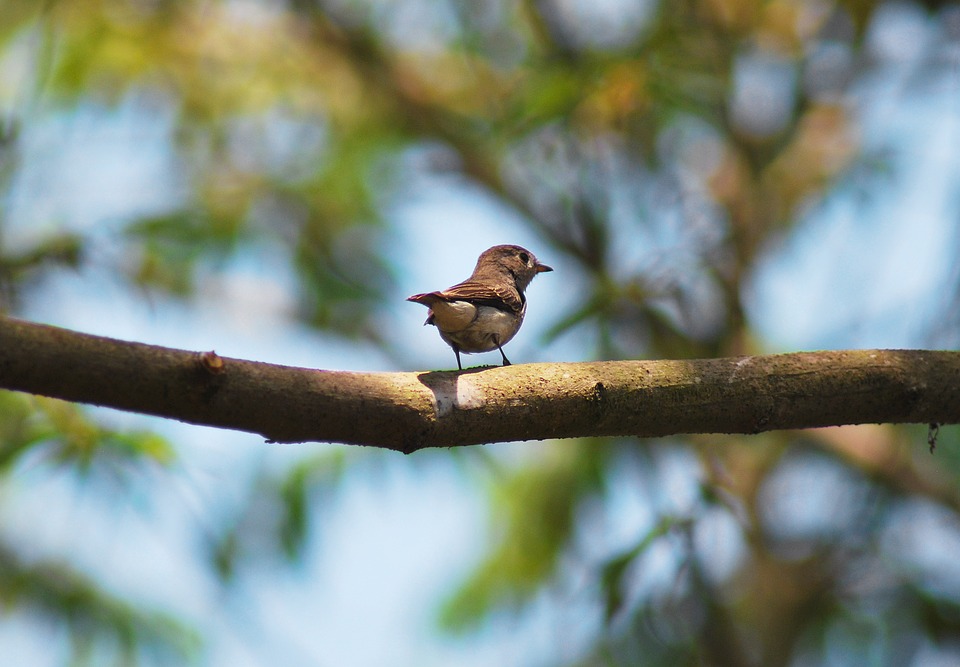
These quiet meadows liven with birdsong from hundreds of unique avian species – laughing thrushes, bulbuls, martins, shortwings, flycatchers, bee eaters, babblers, birds of prey and many more, several of which thrive only in Shola grassland – a lost paradise for birders.

Amazingly gigantic species of fern

Floristically In terms of flora, dwarf trees growing up to 30 feet exist along with closed canopy. Dense shrub fills the space between the upper storey and under storey making up the Shola forest. Velvet layers of moss and lichen also thrive amidst the high moisture; hard, woody creepers entwine the forests’ trees as beautiful orchids show themselves on occasion. One of the most interesting floras encountered in the Sholas is the amazingly gigantic species of fern that can be seen in the narrow transition to grasslands. Finally, the grasslands themselves are a truly stunning sight.

Nature’s sponge

It is a well known fact that the Western Ghats are one of India’s largest watersheds and receives some of the heaviest rainfall on planet earth; that said, the role that the Sholas play in sustaining water cycles is crucial. An important feature being that they act like natural sponges, able to retain more than half the rainwater received from the monsoon. This water is then gradually released through a large network of streams and rivers whose very existence is thanks to the grasslands themselves.

This intricate network of freshwater goes on to enable a hundred thousand lives downstream, and across southern India. You will be surprised to know that several rivers originate in Sholas – among these are Tungabhadra, Nethravati and Kaveri (Cauvery). The Sholas also function as thermostats, keeping annual minimum and maximum temperatures at a constant average of 15C-20C, even at the peak of the driest summer.

Colonial hangover

Regardless of their ecological imperative, the Sholas are one of the most neglected ecosystems we have come across. Its degenerative story began back when the British were busy acquiring ghats as hot new summer getaways, converting native forest to commercially viable private estates of coffee and tea or mining them beyond repair. It was from then on that south India’s fragile natural heritage was doomed.

This rare and unique grassland ecosystem was overlooked, mistakenly perceived as wasteland, causing the greedy colonials to go on a rampage converting Sholas to mono-cultured land where cash crops such as eucalyptus became prime money makers. To this day, you will find eucalyptus, pine, acacia, wattle and other such exotics invading the flora of Western Ghat hills, a stark reminder of our imperialistic past.

As a precious source of many streams and rivers, the Shola biome must be conserved in order for us, along with hundreds of other organisms, to survive. Further, it is an extremely sensitive type of forest that is directly affected by climate change and is especially difficult to reconstruct once fragmented.

Time to preserve an authentic portrait of India’s landscapes

So far, we have already lost 80% of the historical range of the Sholas and continue to lose more at an alarming rate. Deforestation for the purpose of agriculture has heralded the end of the Sholas. This raises red flags, implying that we must act swiftly so as to preserve an authentic portrait of India’s landscapes. For if we do not, our children will not have the chance of learning life-giving lessons from the gentle heart of the Sholas we have grown to love so dearly.
Continue Reading

10 Lost Cities of India

Blog, Heritage & Culture - GoroadTrip - April 16, 2016

“Having lost ten cities in India, why must we have a project on this subject when there are so many vibrant and vibrant cities to search and write?” Sunithi grumbled, and his friend Vani said, “Stop grumbling and start to google Sunithi , We have to finish this tomorrow, “she said.

But when Sunithi began her research on the Internet, she was engrossed in the fascinating facts. She and Vani soon took notes and made an impressive list. They started one of the first civilizations discovered on the Indian subcontinent, the Indus Valley, and found that many lost cities had sprung up.

1. Dholavira, Gujarat:

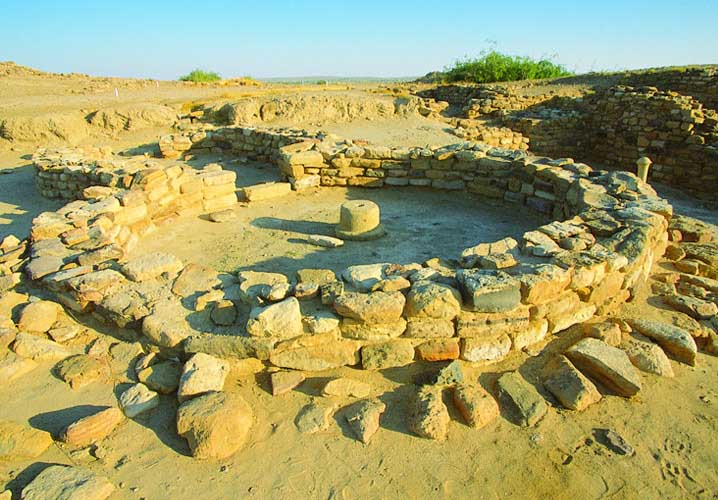
More known as the Dholavira site, this archeological favorite belonging to the culture of the Indus Valley is a work in progress for the archaeological survey of India. The excavations have illuminated the well planned designs and organized construction of this time. In addition to the stepped wells, fascinating antiques such as pearls, seals, vases and ornaments made of gold, silver and terracotta were discovered.

2. Lothal, Gujarat:

Another old and lost city that belongs to the civilization of the Indus Valley is Lothal. Despite the massive destruction caused by flooding, structures such as fountains, dwarf walls, baths, sewers and paving bricks can still be seen.

3. Surkotada, Gujarat:

This site belongs to the Kutch district and is characterized by hills with red laterite soils of a reddish brown color.

4. Kalibangan, Rajasthan:

Kalibangan was founded as the provincial capital of the Indus Valley Civilization and was excavated in 1969. The evidence shows that this is the first farmland ever discovered by the excavations.

5. Poompuhar, Tamil Nadu:

Located at the mouth of the Cauvery River, this old port city was called Kaveripattinam. The city was so important to the Cholas because of their geographical location that the kings made it the capital of Tamilakkam. A powerful sea storm swept Poompuhar in 500 AD. Pottery produced and used during this period was found on the banks of the city.

6. Dwarka, Gujarat:

Throughout our epic as Kingdom of Sri Krishna, this holy city would have set six times. This makes modern Dwarka the seventh city. Many ruins such as huge columns, antiques and massive stone walls are visible under the sea.

7. Pattadakal, Karnataka:

Famous for its historical monuments and ancient temples, Pattaya Valley is located on the banks of the Malaprabha River in the Bagalkot district. It is now a popular World Heritage Site.

8. Hampi, Karnataka:

Located on the banks of the Tungabhadra River in the district of Bellary, Vijayanagar was built around Hampi. The site is now registered on the UNESCO World Heritage Site.

9. Muziris, Kerala:

Another port city, Muzris, lay on the banks of the Periyar River. Excavations have produced a variety of objects that belonged to different countries such as Yemen, Egypt, Rome and West Asia.

10. Sanchi, Madhya Pradesh:

With a history of over 1000 years, the Sanchi site began with stupas from the 3rd century BC. And continued until the 11th century the construction of monasteries and Buddhist temples. After the decline of Buddhism Sanchi was abandoned and rediscovered in the 19th century.

It was no surprise when the project submitted by Sunithi and Vani got ten out of ten!

Plan a trip to the lost cities of South India with www.goroadtrip.com

Continue Reading

South Indian Breakfast

Blog, Food - GoroadTrip - April 6, 2016

Breakfast is the most important meal, since you break the night long fast.

Nutritionists all over the world believe that it is important to eat like a King at breakfast. It kick-starts your metabolism, and gives you energy to cope with the hard days work ahead.

Traditionally, in south India, previous day’s left over rice used to be soaked in water overnight. Next morning, the water drained, a little salt added and the rice mixed with buttermilk is eaten as a breakfast. This was known as ‘pazhayadu’ and considered to be very nutritious. This practice is still prevalent in some homes today.

With education people started going out to cities to look for work. To make life easy, people started eating full fledged meals by 9 a.m. in the morning, before catching a bus or train to work. This meal normally consists of rice with sambar, rice with rasam, and rice with curd accompanied by a side vegetable poriyal and a curd pachadi. Even today some families have meals resembling lunch in the morning in place of breakfast.

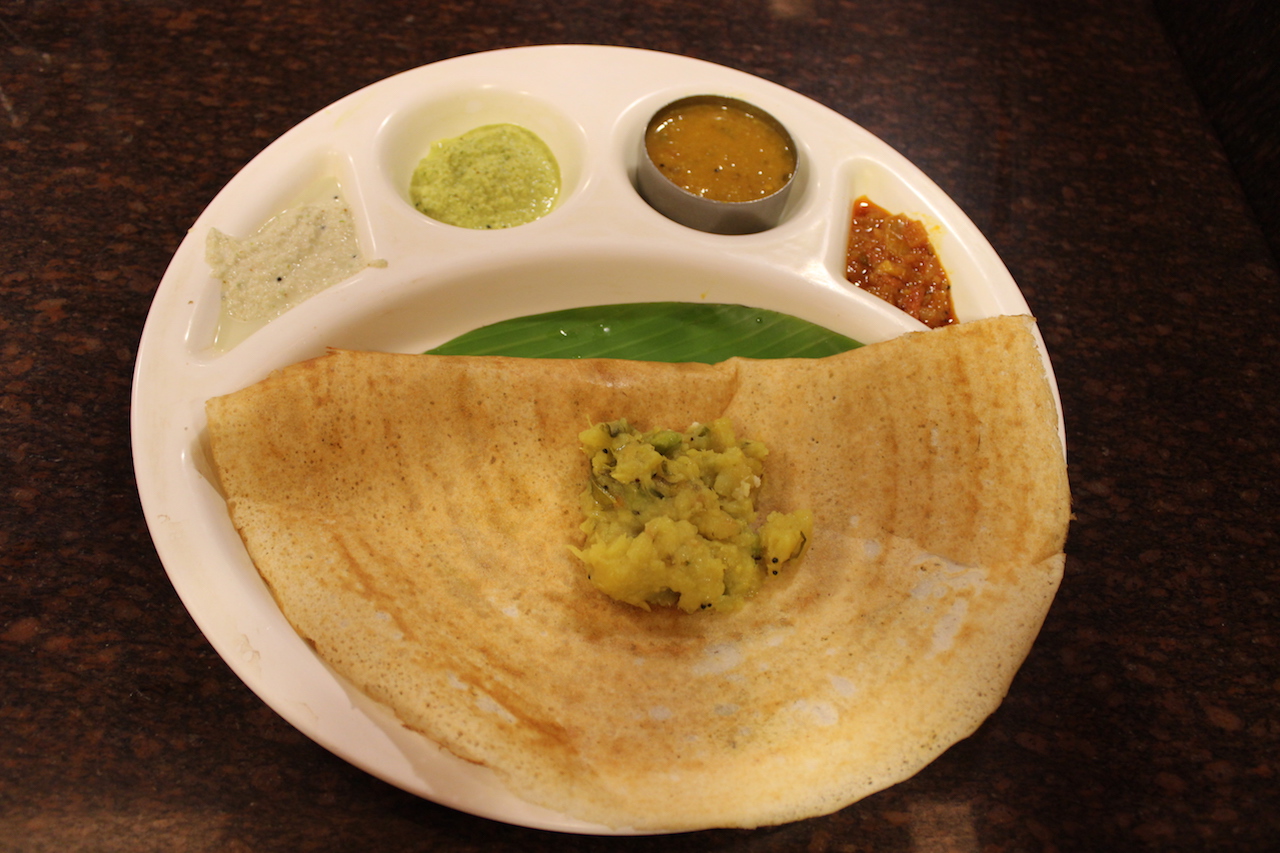
Masala Dosa

With westernization and modernization some of us have taken to eating a proper breakfast. Our breakfast tiffins are popular not only in south India but all over India. Most popular tiffin is the idly sambar with vadai, which is not only nutritious, but also easy on the stomach. Today this tiffin is served on board an aircraft, on trains and it is available in most restaurants all over India. Other popular breakfast tiffin is the dosa, masala dosa, oothappam, pongal, uppuma, appams and idiappam. There are innumerable ways of making these breakfast items to prevent boredom.

Visit restaurants in Chennai to taste the popular breakfast tiffins.

A heavy, tasty and a nutritious breakfast like a south Indian one will definitely see anyone through the day! From south India comes a hearty breakfast that is favoured across the country.

Make a visit to Chettinad if you are a die-hard non-vegetarian!!

Continue Reading

10 Unexplored Waterfalls in Karnataka

Blog, Destinations, Offbeat - GoroadTrip - March 29, 2016

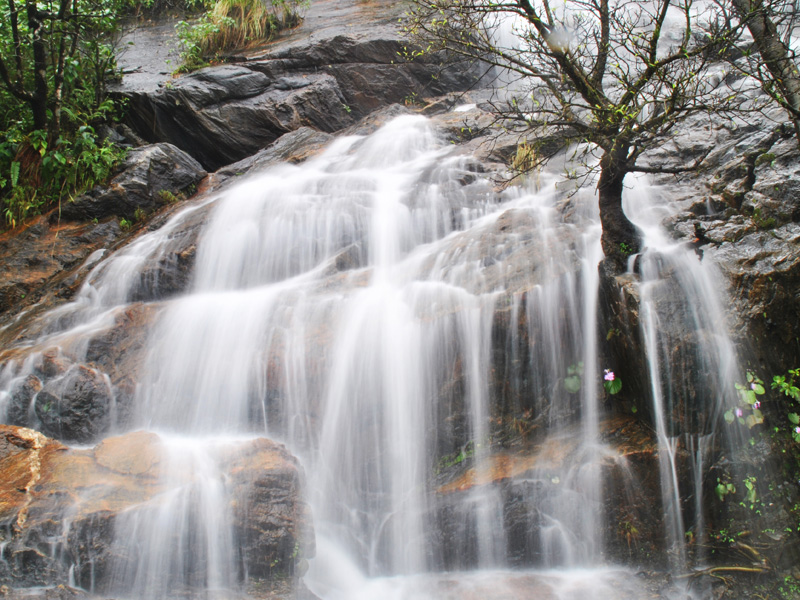
The Western Ghats, a UNESCO World Heritage Site & one of the eight “hottest hot-spots” of biological diversity in the world is itself a major attraction in India along with its high hills, deep valleys, mountain grasslands, dense & rain forest. The mountain range form one of the four watersheds of India, feeding the perennial rivers of India. During the monsoon season these rivers offers some of the spectacular waterfalls that are still hidden in the dense Forest. Listed are below the 10 unexplored waterfalls in Karnataka though not ranked in order.

1. Sirimane Falls

Sirimane Falls, is among the many waterfalls that the state is endowed with. Though it is not a very high fall, Sirimane Falls is beautiful. Sirimane Falls, originates as a tributary of Tunga River which descends from the Western Ghats, descending as a waterfall. The waterfall lies near Sringeri in Chikmagalur District of Karnataka.

2. BenneHole Falls

Benne Hole Falls can easily be called one of the most beautiful waterfalls in Uttara Kannada, Karnataka. In Kannada, ‘benne’ means butter and ‘hole’ (pronounced holay) means ‘big stream’ and that is a perfect description of the churning, creamy waterfalls that are so beautiful to behold.

3. Bandaje Arbi Waterfalls

Bandaje Arbi Waterfalls, one of the most breathtaking falls in the Western Ghats, is located near Mundaaje, in Dakshina Kannada District of Karnataka.

Read more about BenneHole Falls or Plan a Trip to Bandaje Arbi Waterfalls

4. Burude Falls

Burude Falls, also known as Dodmane Falls, is near Kyadgi in Uttara Kannada. The way to reach this five-step waterfall is to descend through a small creek, which is dry in summer, to the river. However, this creek is full of water in the rainy and winter months and makes it impossible to enter the area surrounding the waterfall and the valley.

5. Arasina Makki Falls

Arasina Makki Falls (also called Arisina Gundi Falls) is a spectacular waterfall located deep inside the Mookambika Wildlife Sanctuary in Karnataka. To reach this amazing place you will need to trek 1-2 km deep inside the forest of Kodachadri Hills.Sauparnika River takes a leap from a height of about 50 mts into a naturally created pond to form this beautiful waterfall.

6. Iruppu Falls

Iruppu Falls towers above many waterfalls the state of Karnataka is blessed with. This fresh water cascade originates from the Brahmagiri Range in the Kodagu district of Karnataka, bordering the Wayanad district of Kerala. Since the fall has its origin from the Lakshmana Tirtha River, a tributary of River Kaveri, it is popularly known as Lakshmana Tirtha Falls.

7. Alekhan Waterfalls

Alekhan Waterfalls is around 18 kms from Charmadi Ghats in Chikamagalur Hegadekatta, Karnataka. This waterfall can be easily found as it is just next to a small bus stop by the name of Alekhan Horatti. To see the falls, you have to follow a narrow path going down just next to the board which mentions a bridge. While Alekhan Waterfalls are completely visible, one can also descend a few meters to reach the base of the falls.

8. Unchalli Falls

Unchalli Waterfalls in Uttara Kannada, Karnataka is also known as Lushington Falls created by Aghanashini River as it tumbles down from a height of 116 meters. Situated amidst the hilly ranges, Unchalli Falls is 5 kms away from a hamlet, Heggarne. The main station, Siddapur is 35 km away. From here you can take local transport to reach this exquisite place. Buses stop at Heggarne from where you can reach the falls 5 km away, trekking through a thick forest.

9. Achakanya Falls

Achakanya Falls is one of the hidden waterfalls formed near Thirthahalli. The fall is located at a distance of 10 kms from Thirthahalli on the way to Hosanagara in Shimoga District in Karnataka.

10. Vibhooti Falls

Vibhooti Waterfalls is in Uttara Kannada district along the banks of the Gangavali River. This picturesque falls lies between Sirsi, Yellapura and Ankola. Also spelt as Vibhooti Falls, it is 50 kms from Sirsi in North Kanara district and is around 8 kms away from Yana.

Continue Reading

Monitor No more – Goa Wildlife

Blog, Wild life & Conservation - GoroadTrip - March 16, 2016

Tourism can be interrupted in the warmer months of the monsoon, but during these months, Goa really comes to life.

His campaign is quieter than usual. The dew settles on new delicate leaves, moss dark velvet rage all sorts of manufacturing surfaces, rejuvenated coconut palms, is wild in the sea breeze, fisherman carry reedbaskets where to wind the catch of the day. This moving scene resonates throughout the state as glorious tropical rain lashes at this world-famous coastal city.

If we imagine Goa, the characterful landscapes, the narrow ghat streets and fragrant cashew plantations come to mind. However, its “cities” – including Panjim (Panaji), the capital – are not so urban and hectic and do not resemble those of Mumbai, Delhi and other major cities. This colorful little town fabric it seems to be preserving could be the reason why Goa’s wilderness is so easily accessible.

Some wild species such as mongooses and monitor lizards can still be seen in the cities of Goa, becoming part of their urban fauna.

These intelligent hunters spread in Africa and Asia; They are found in the forests of Goa.

For decades there have been many injustices against controllers. Shamelessly sold as exotic pets to be slaughtered for their meat, the list is long and the crimes abominable.

Many villagers in Goa have a very serious misunderstanding that only serves to allow poaching of lizards. It is generally accepted that eating lizards increases libido and increases muscle mass, which will also have a positive effect on bodybuilding.

The cultured taste of meat, a habit that was hard to break. Outrageous is the fact that the purchase has created a growing market every day.

The dishes like kebab lizard, lizard lizard or lizard 65 are, in many places, as many local specialties as the fish curry and rice coastal towns of Goa. Regularly prepared, they are offered to unpretentious tourists as a delicacy.

Lizard poaching is only a symptomatic side effect of the massive boom in Goa tourism, combined with widespread ignorance.

In Goa, as everywhere, a tourism boom affects endemic animals and birds, forests, backwaters, reptiles and indigenous communities of fishermen, tribal art and woodwork, kitchens; change everything that can not be repaired.

Instead of observing these animals from a distance and learning from them, easy access to Goa’s wild animals is a double-edged sword. As it is the main reason for the amazing survival of the lizards. Only one hundred thousand examples of Mother Nature generously offer its abundance, but the human condition were destined to destroy.

With the Monitor Wildlife Protection Act 1972, their immediate protection for their existence is crucial.

The Goa Forestry Department has done its best to create simple and in-depth communication to increase awareness of this issue. Many banners written in the local language have been introduced as part of this effort, pleading for a collective effort without which the future of the lizard monitor in Goa (or elsewhere) is dull.

It’s really very easy to forgive a cliché call but the truth is, “If buying stops can also be selling.”

(Are not clichés the result of a collective effort?)

Continue Reading