Posts for Blog Category

5 Memorable Camping Expeditions in South India

Blog, Adventure Activities - GoroadTrip - July 14, 2017

If you are outside, you will find a hotel closed. Open the clear skies, the sprawling hills and the picturesque waters by camping outdoors. Camping in South India is especially cool with the time and generosity of nature.Scout for some amazing campgrounds like the ones listed below:

Coorg

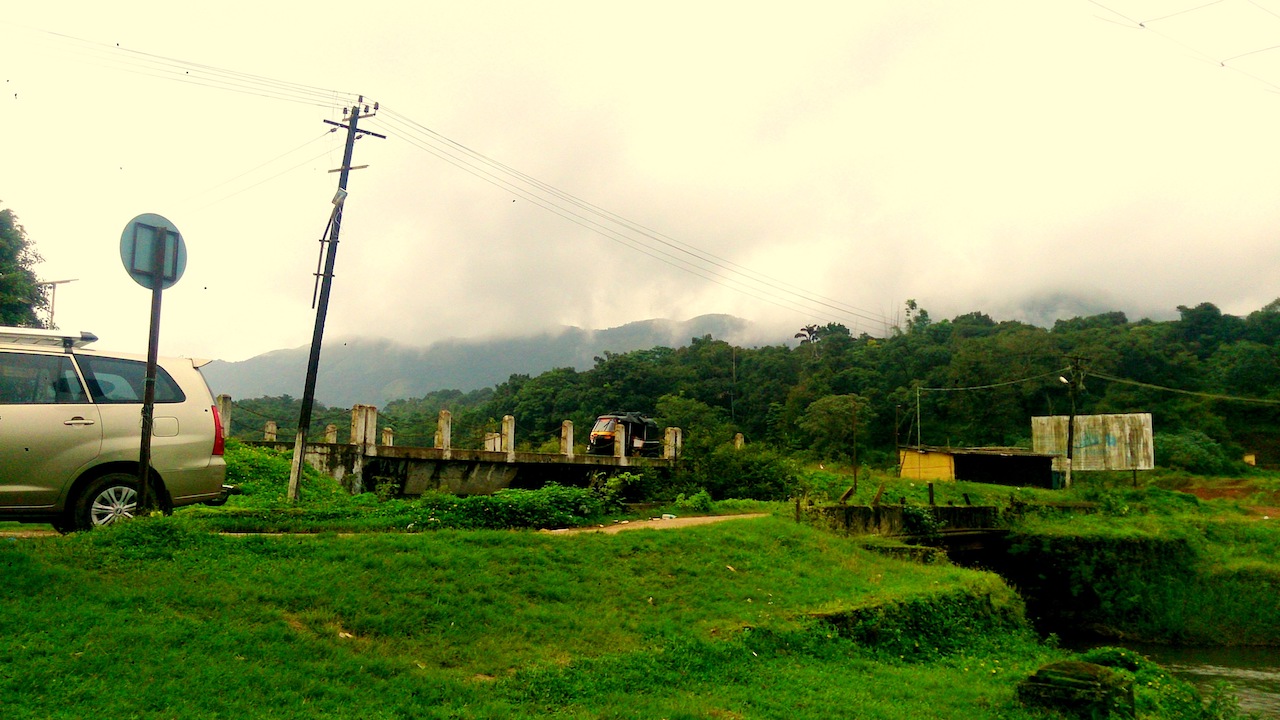
The Coorg Mountains surround you in the green while you camp in the splendor of the Western Ghats. You will find many campsites that offer you the best of nature; a torrent, bubbling water, the fresh air of the mountain and the vast green expanse of hills. A popular place is Bettigiri, Brahmagiri Hills, Madikeri and Kushalnagar.

Matheran

The freshness of Matheran is protected by the fact that it is a mountain resort without a car. Breathe fresh invigorating air when you leave your camp in the morning. Enjoy the sounds of birds and watch them on the green and beautiful slopes of Sahadri. You can walk or ride in this beautiful place.

Munnar:

Munnar is the best place in the world. The hill station is considered one of the best trekking destinations in South India. Try campsites on the high cliff in the Periyar Tiger Wildlife Reserve or in Mattupetty’s luxuriance.

Wayanad

Wayanad, blessed with lush Western ghats, streams, wildlife and hilly terrain, is the perfect place to camp. Swim in the Kalanidhi River, take a walk through the picturesque hills and relax under the stars in front of a camp before retiring to your tent. You can also enjoy water sports such as boating and fishing or opt for the more demanding mountain bike.

Manchinbele:

Manchinbele, a popular birding destination, is about 40 kilometers from Bangalore and is also a popular camping destination. You can choose your own camping trip here
Wayanad, Kerala, Camping in South India
Priority approval of the nearby military base. Or visit the Xtreme Zone, where you can also find other activities such as abseiling, kayaking and paintball for campers.
Continue Reading

Visiting the Scotland of India, Coorg

Blog, Destinations - GoroadTrip - July 9, 2017

Coorg is a beautiful mountain resort in Karnataka and is an excellent choice for a holiday. You can check some of the following places on vacation here:

Abbey Falls:

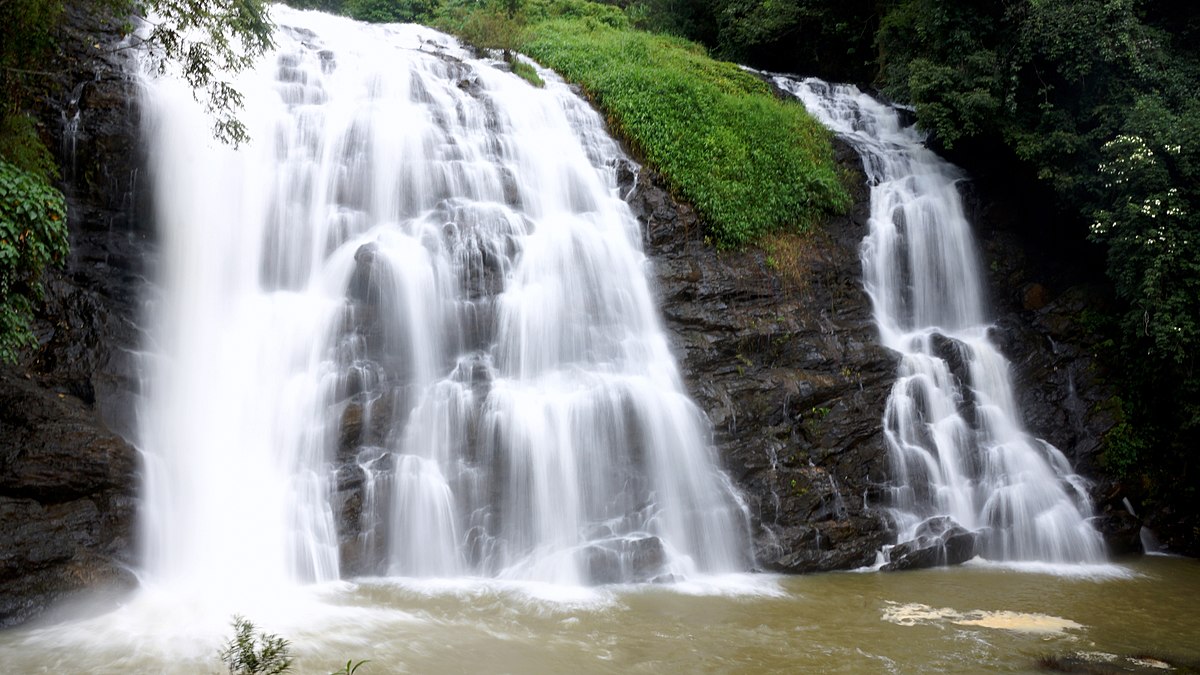
The Kaveri River Abbey Falls is an admirable sight, especially after the monsoon. Surrounded by coffee and spice plantations and miles of green space, Abbey Falls offers the nature lover in you.

Brahmagiri Hills:

Perfect for a hike, the Brahmagiri Hills lures with their lush landscapes and the intoxicating air of the mountain. Traveling through sparkling waters and rich flora. If you’re lucky, you’ll discover the Langur Nilgiri, the giant flying squirrel and the spotted deer.

Dubare Elephant Camp:

Visit elephants in their natural habitat at Dubare Elephant Camp. They are treated by observing how they are fed, trained and bathed. There are also many other wild animals such as peacocks, wild dogs, crocodiles and sloths.

Iruppu’s case:

The Iruppu Falls are formed by the Lakshmana Thirtha River and fall from a height of 60 feet. When the water flows, the jet creates a magical atmosphere. Hiking through the beautiful green hills to the waterfalls adds to the magical experience.

Chettalli:

A village in the middle of Madikeri and Siddapur, Chettalli is a good place for cultural tourism. Enjoy the native culture of Coorg in this peaceful retreat.

Nagarhole National Park:

A visit to Nagarhole National Park brings you closer to the wildlife already present in Coorg’s natural environment. With more than 270 species of birds and other animals, the next generation of exotic creatures is present.

Tibetan settlement, Bylakuppe:

Bylakuppe has the Namdroling monastery, which is the second largest Tibetan settlement in India. Particularly festive during the Losar Tibetan New Year Festival, tourists can take a look at the rich Tibetan culture and architecture of the monastery.

Rajas Headquarters:

The Raja’s Seat, the best of Coorg’s many views, offers breathtaking views of the resort’s hills and valley. There is a musical fountain and an exquisite garden to the point that tourists will appreciate.
Continue Reading

Touring the Twin Cities of Hubli-Dharwad

Destinations - GoroadTrip - July 4, 2017

The twin cities of Hubli-Dharwad, known for Dharwadpedas, Girmit and Jolladha Rottis, also have a rich historical heritage. The region was under the domination of powerful dynasties such as Vijayanagara, Chalukyas, Bahmanis, Mughals, Marathas and later the British. It is natural to see a wealth of traditions, monuments and culture in Hubli-Dharwad. Some places not to be missed in the twin cities are:

Banashankari Temple, Hubli:

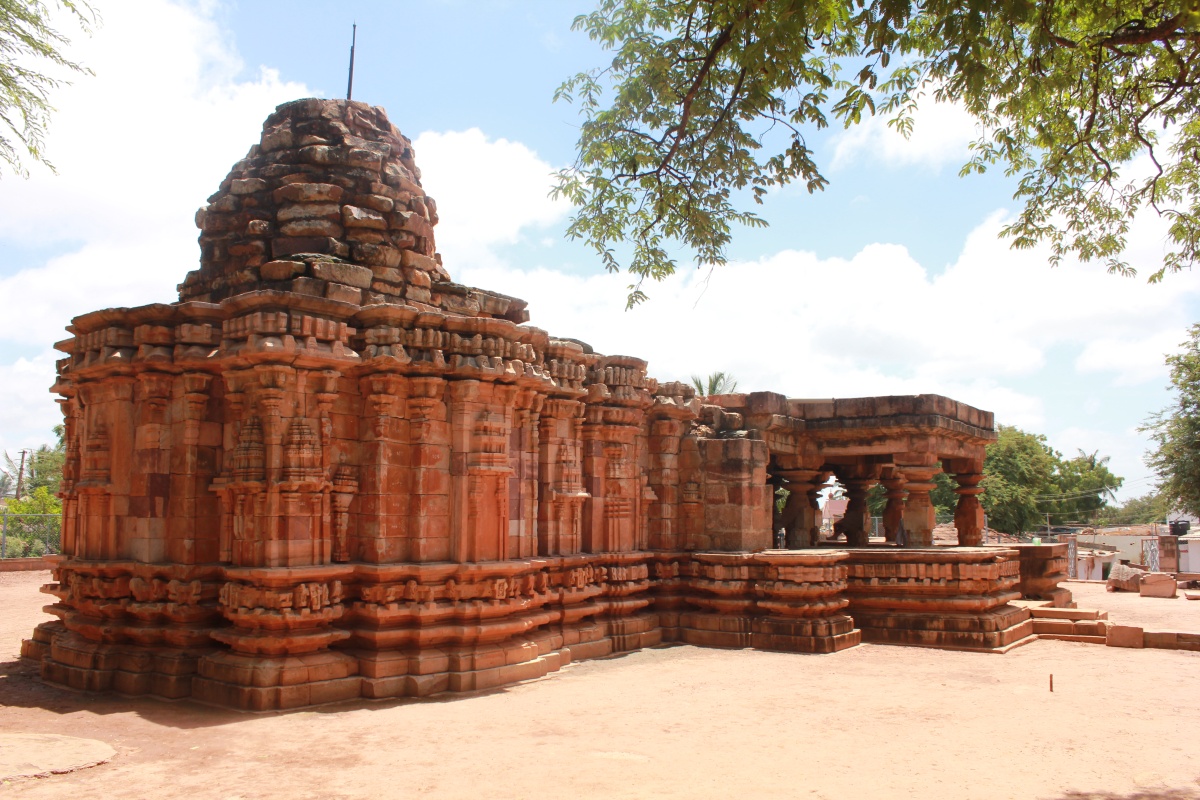
The Banashankari temple, dedicated to the goddess Parvathi, is located in Lake Amargolnear Unkal. The temple was built in the 13th century by the Chalukyas and shows the influence of the north. The temple has a dvikuta, which means two shrines. The two shrines have two vimanas. One is of Nagara style and the other of Dravidian architectural style. One deity is the goddess Parvathi or Banashankari and the other is God Shiva. There is a NavarangaMantap adorned with beautiful pillars. The figures of Vishnu, Ganapathi, Brahma, Narasimha, Shiva and Parvathi are engraved on the pillars. The temple is a monument protected and maintained by the ASI.

Temple of Chandramuleshwara:

Chandramouleshwara temple is located near the Banashankari temple in the village of Unkal. Built 900 years ago by the Chalukyas, the temple is dedicated to Lord Chandramouleshwara or Shiva. He has two sanctuaries. The most important is for Shiva and has entrances in four directions. The other sanctuary is for Chaturmukha Lingas. The distinctive features of the temple are the walls and columns, all of which are decorated with intricate carvings and sculptures. This temple is also under the protection of ASI.

Nruplunga Hill, Hubli:

On the small hill of Unkal is the Nruplunga hill. The panoramic view of the city and the breeze make it a popular picnic spot.

Indira Gandhi Glasshouse, Hubli:

The Indira Gandhi Glass House is made of glass, as its name suggests. It is similar to that of Lalbagh, Bangalore and is surrounded by well maintained gardens and parks. Many concerts and exhibitions take place here.

Navagraha Teertha, Hubli:

Located 18 kilometers from Hubli, NavgrahaTeerthahas has 61 feet of monolithic BhagavanParshwanath idol set on a 48-foot pedestal. It was carved on a huge hill near Bangalore and then transported in a huge car through Hospet. There are eight other idols or tirtankaras that have been installed with the idol of the hand.

Ulavi Temple Channabasaveshwara, Dharwad:

Located on a hill, the Ulavi Channabasaveshwara Temple is an important pilgrimage site for the Lingayats. The temple is Shivasharana and is dedicated to Shivasharana. The hand consists of a Shankara marble of meditation. Along with the elephants, a statue of Akka Nagalambike, the mother of Channanasaveshwaras and Bilvapatire or Apple Tree, the temple houses all the favorites of God Shiva.

Lake Unkal, Hubli:

The lake is a popular picnic spot for locals and tourists alike. It covers 200 hectares. It has a statue of Swami Vivekananda in the middle of the lake, green gardens, a children’s corner and boat rides.
Continue Reading

A Stop at Murudeshwara

Blog, Destinations - GoroadTrip - June 25, 2017

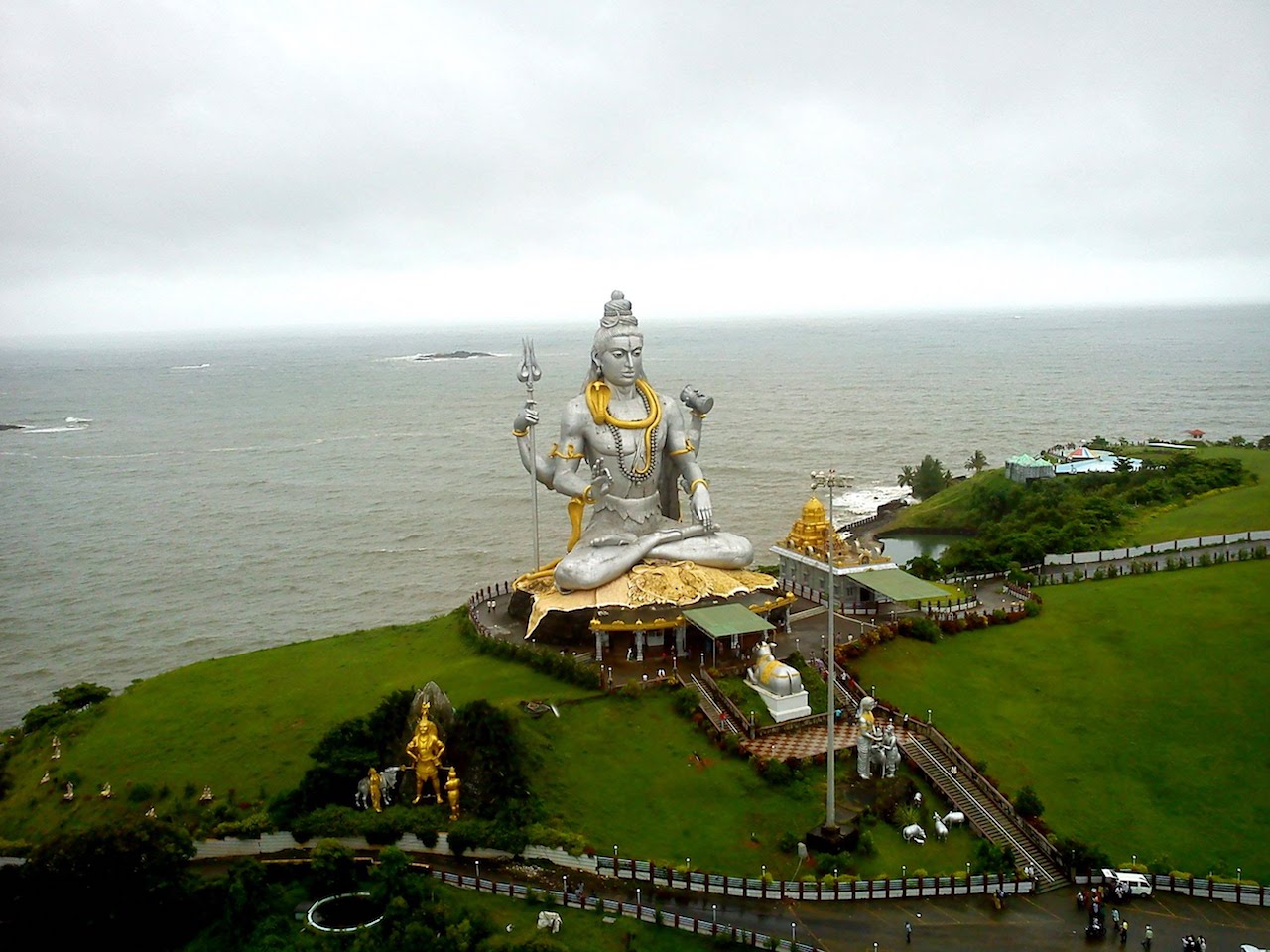
Murudeshwara, the second largest Shiva statue in the world, is a seaside town of Bhatkaltaluk of Uttara Karnataka. Famous for the Murudeshwara temple, the city also attracts tourists for its beautiful beaches and monuments. Some of these attractions are:

Murudeshwara Temple:

On Kanduka Hill, which is surrounded by the Arabian Sea, the Murudeshwara Temple could not be more beautiful. Murudeshwara is another name for Lord Shiva. The temple has a Raja Gopura of 20 floors. An elevator will take you to a spectacular view of 123-foot Shiva idol from the top of Gopura. Devotees can also worship the RameshwaraLinga next to the idol. The two life-size elephants standing on the side of the steps leading to the temple are another beautiful sight.

Murudeshwara Beach:

Murudeshwara Beach is one of the most picturesque beaches with the Western Ghats on one side and the blue waters of the Arabian Sea on the other. There are plantations of coconut trees and areca nearby that add to the beauty. You can spend hours on the beach and end your day with the Arabian Sea.

Park-Statue:

The area around the Shiva statue is preserved as a park. The green lawn around the statue is adorned with many flowering plants and stone carvings. Waterfalls and an artificial waterfall, washing rocky rocks, make time in the park a pleasant experience.

Jamie Masjid:

It is one of the oldest mosques in Bhatkal and is about 15 kilometers from Murudeshwara. It is an extended structure of three floors with a basic extension. The ancient Persian inscriptions on the walls speak of the deeply rooted history and spirituality of ancient times.

Murudeshwara Fort:

Originally built by the Vijayanaga kings, Fort Murudeshwara was renovated by Tipu Sultan. It is located behind the temple complex and is a wonderful place to look at the vast green spaces.

Netrani Island:

About 19 kilometers from Murudeshwara is the small island of Netrani. Also called Pigeon Island, is very popular and has a dive site. The rich underwater world of the Arabian Sea can be observed from this point. Professional advice and high safety standards have made diving a spectacular experience.
Continue Reading

Things to do at Death Valley National Park

Blog, Destinations, Offbeat, Things To Do - GoroadTrip - June 10, 2017

Death Valley National Park is in eastern California. The first thing that stands out in Death Valley National Park is its rough terrain. Covering three million acres, the park gives you an idea of ​​the wilderness, country roads, historic sites, and the seemingly endless terrain of cliffs, deep gullies and desert peaks, and saline. Get ready for a variety of outdoor activities in the National Park. Hiking, biking on the roads and mountains, camping and hiking are just a few of them. By following the rules below, you can make a pleasant and safe journey and return with beautiful memories of this beautiful national park:

– Stay on the established routes. Do not leave the streets. Tailor “off-road” tires to your car instead of normal road or road tires.

– Only use the bikes allowed on the roads and dirt roads. Do not cycle on paths, closed roads or in wilderness areas of the park.

– It is advisable to travel in a group of large numbers. Carry maps because there are no signs and you can not rely on the GPS.

– Complete all permits for use in the park.

– drink and carry a lot of water; more than usual. The dry climate can dehydrate and water sources are rare in the park.

– Be responsible and do your responsibility to the environment by cleaning after you. Protect the desert environment.

If you are here merely for sightseeing you still have lots to do as the place is rife with interesting sights. A few of the many places you can visit in Death Valley National Park are:

Furnace Creek Visitor Center:

A good way to start your park tour is to be equipped with park knowledge. The Furnace Creek Visitor Center offers museum exhibits, seasonal day care programs, and a 20-minute film that will help.

Badwater Basin:

Get ready to be amazed by this 282 feet below sea level watershed, which is the lowest point in North America. The landscape is long stretches of saline. A walk on this ever-evaporating bed of salt and mineral water will give a surreal experience.

Devil Golf:

So called because of the huge rugged area of ​​rock salt due to wind and rain erosion, on which a round of golf can only be played by the devil! You will hear sounds like tiny if you listen carefully, and the sound will be louder if you place your ear on the floor. This sound is caused by billions of tiny salt crystals that burst when they expand and contract in the heat.

The view of Dante:

With its 5,475 feet, Dante’s View offers the most beautiful view of the park. You can admire the breathtaking views of the sunrise, the Panamint Mountains, the Badwater Basin and even the smallest view of the Sierra Nevada, which has the highest point in the United States, Mount Whitney.

Mesquite flat sand dunes:

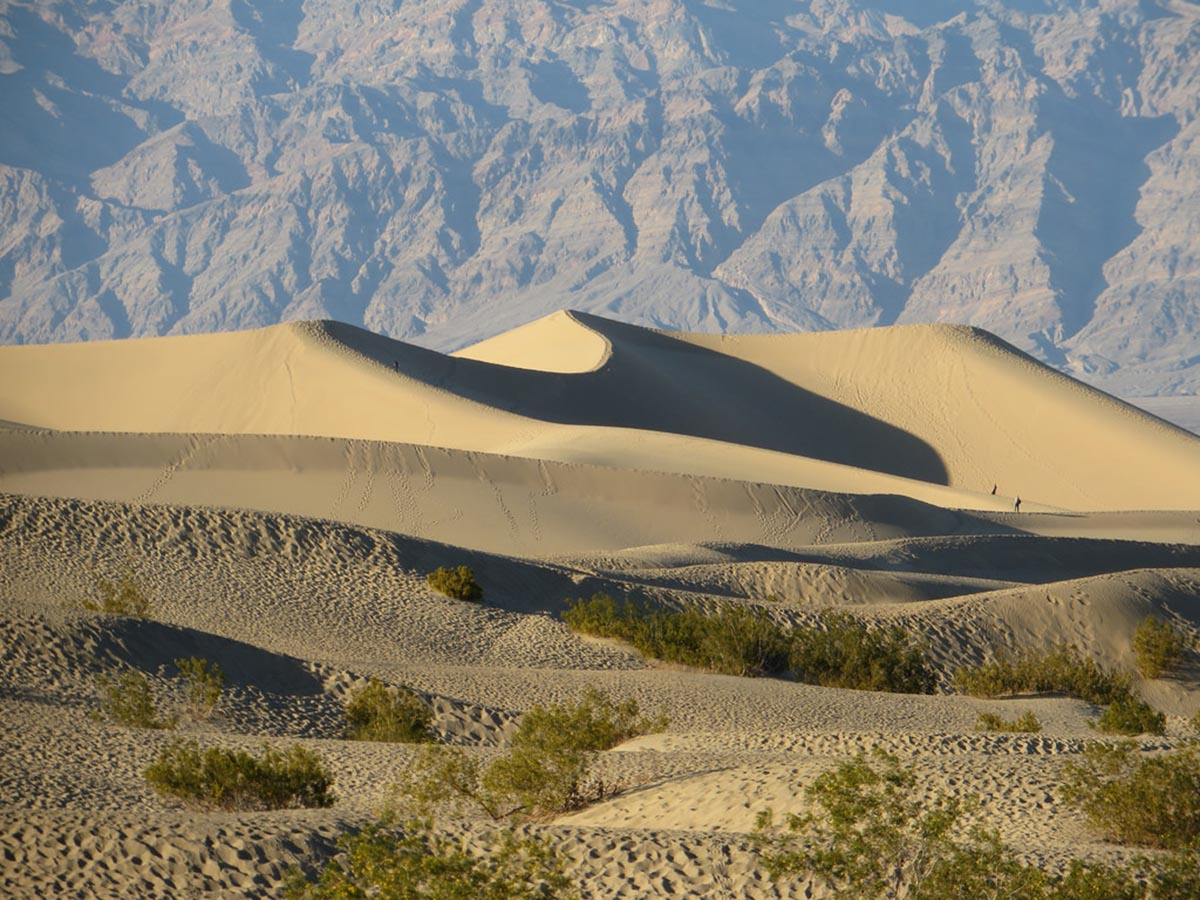
With three types of sand dunes, the Mesquite Flat Sand Dunes is the largest dune field in the National Park. The sandbeds are formed from an old seabed and are rugged by polygons. The presence of Mesquites creates a habitat for wildlife.

China Farm Ranch Date:

This is a biological dates farm near Furnace Creek Road. The farm offers a break in the desert with its delicious dates and other dates.

Amargosa Opera House:

This old colonial-style courtyard, which was given by Marta Becket, a New York dancer, is now an opera house. The extravagant hand-painted opera is definitely worth a visit.

Borax Museum:

This museum at Furnace Creek Ranch features samples of locally available borate minerals and a large collection of pioneer stage and wagon cars.

Continue Reading