Posts for Blog Category

Celebrating Pongal in South India

Blog, Festivals/Events - GoroadTrip - October 15, 2017

OLYMPUS DIGITAL CAMERA

Pongal or Sankranti is celebrated a harvest festival, when the month Margazhi or Dhanura comes to an end. The month that starts with the festival is Thai or Markara. It also marks the beginning of Uttarayana, a six-month period during which the sun moves north. On festival day the sun starts traveling TICs to the north and Uttarayana, a propitious period where all the essential functions are held starting.

The festival is celebrated with the same name; to mark the end of winter and celebrate the beginning of spring. In most parts of northern India, it is celebrated as Lohri and Assam as Bhogali Bihu.

In South India, he is known as Pongal in Tamil Nadu, Sankranthi Or Yellu Bella in Karnataka, Sankranti in Andhra Pradesh, Makara Sankranti in Maharashtra and Makaravillaku in Kerala.

Pongal, Tamil Nadu:

Pongal is a well-known festival for the people of Tamil Nadu and is celebrated for four days! The first day is Bhogi, which is celebrated to symbolize the end of the old and the beginning of a new period. Old things are limited to flames and made for the new crop and the new bright beginning.

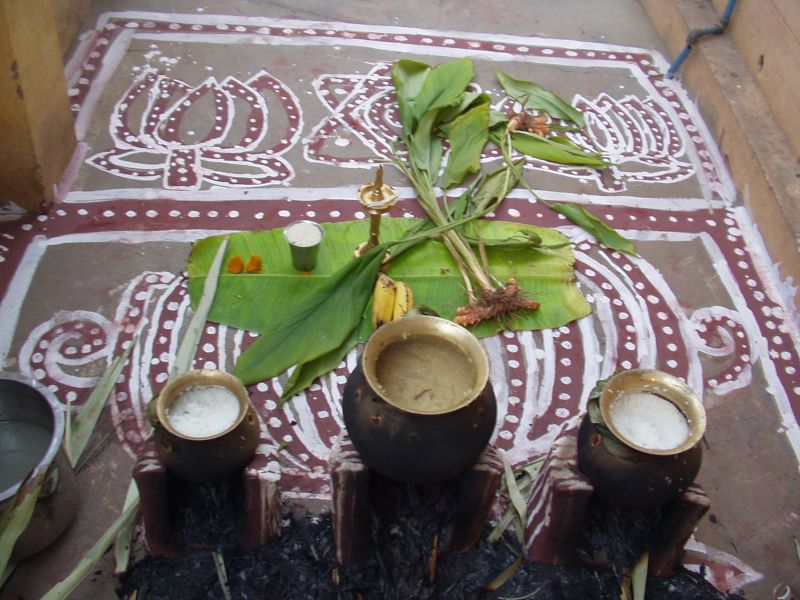
The second day is Pongal. On this day, the sun god is worshiped. Profitable harvest and cooking in a lush harvest. The court is offered to God of the Sun. Festival festivities are best seen in villages where he is persecuted in a very traditional way. The courtyard of Pongal is cooked outside the houses in the courtyards. Traditional wood boilers and earthen pots are used. Prayers and elaborate rituals follow the puja offered to the sun god.

The third day is the day Maatu Qui Pongal is to worship the cow. An important animal for people in agriculture The cows of the house are washed, decorated, venerated and then driven. In cities, dairy farmers bring their cows to their customers so they can offer puja. The popular game of Jallikattu, which refers to money-binding packets on the horns of bullfights trying to snatch men from their sisters, hugging and clinging to an em, will take place that day.

The last day of Pongal is Kaanum Pongal. It is served with sugar cane, bananas and betel nut on the day of the day. Families spend the day outdoors, visiting or in public places.

Kolam with rice paste is a common sight everyday of the festival. The designs are eye-catching with their intricate pattern and thoughtful size.

In the land of Kannadigas Sankranti with Yellu Synonym (sesame) and bella (jaggery). Celebrations include cleaning the house on the eve of the festival. On the day of the party, mango leaves are used to decorate the main door. Rangolien with different colors decorate the sleepers. People prepare rice and Moong Dhal Kichdi or huggi. A sweet dish of rice and moong dhal is also prepared. Freshly harvested vegetables are used in the preparation of the party. At events, people exchange Yellu and Jaggery. The mixture also contains coconut and dry peanuts. It is believed that this exchange ensures a good and lasting relationship between individuals. In rural areas of Karnataka, Sankranthi celebrations are more traditional and sophisticated.

Sankranthi, Andhra Pradesh and Telangana:

As in Tamil Nadu, Andhra Pradesh and Telangana Sankranthi celebrate a four-day period. On Bhogi, the first day, a campfire is the bed to burn old and unwanted things before the traditional bath. The next day is Sankranthi, when pongali, a rice pudding and sweet dishes like ariselu, which are rice cakes, are prepared. The third day is Kanuma, where animals are decorated and events like them, bullfights and forbidden cockfights are also sometimes included. The fourth day is Mukkanuma. The festivals offer prayers to the Sun of God, Mahabali and Godadevi. Another highlight is the gift and the gift of the pumpkin.
Continue Reading

6 Beautiful Road Trips of North India

Blog, Road Trips - GoroadTrip - October 9, 2017

There is no shortage of destinations in our country. Planned holidays or spontaneous trips, there are places for each of them. Increase the pleasure of your trip and enhance your trip by opting for a road trip. Look at Goroadtrip for advice. Here are some of the best routes for a trip to North India:

Shimla to Manali:

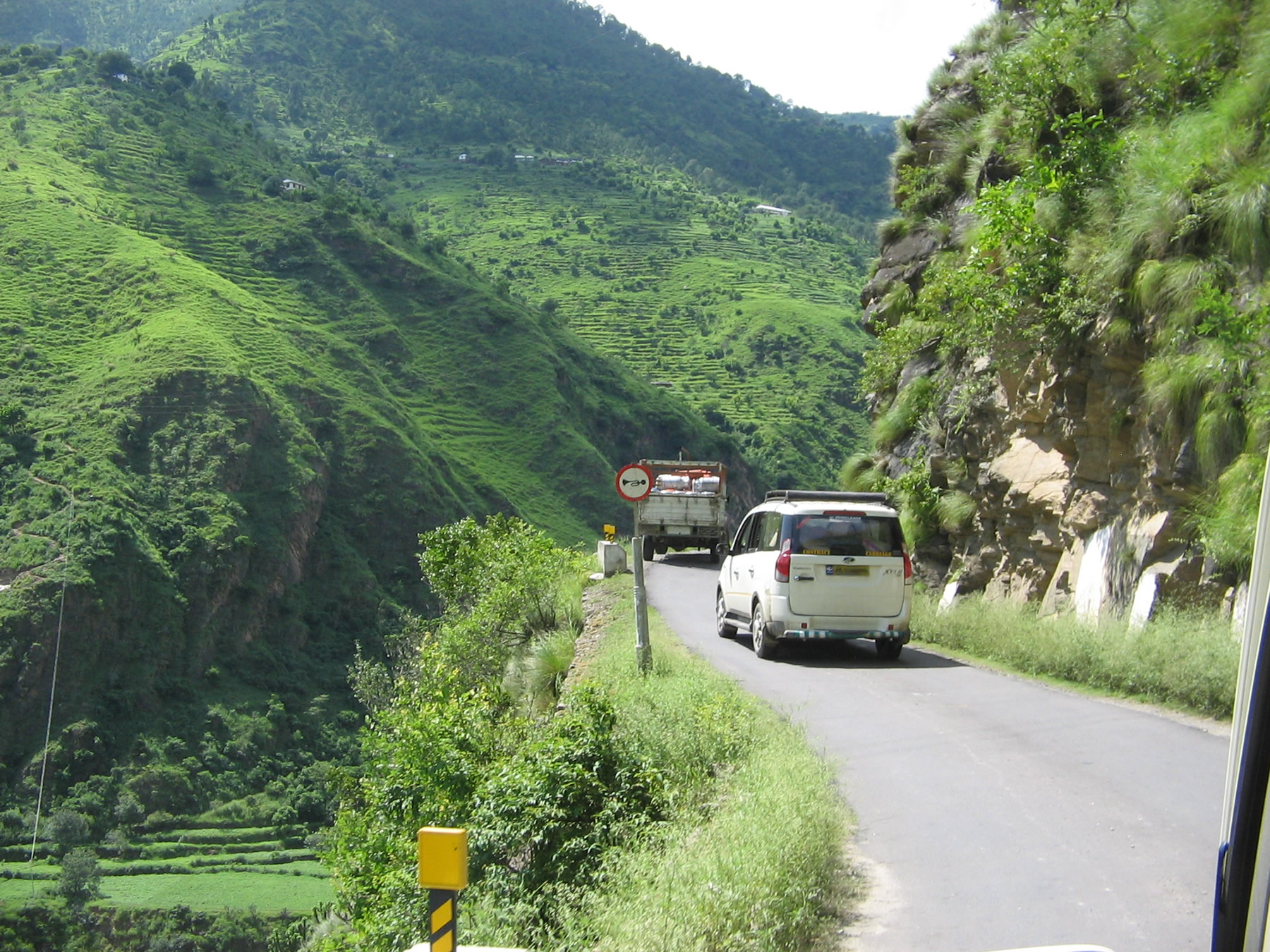
The road that stretches 250 kilometers from Shimla to Manali can be compared to a road to paradise, it’s breathtaking! With the sparkling waters of the Beas River, you can get to know the Himalayan mountains of Manali.

Puri at Konark:

It may be only 36 km from Puri to Konark on the NH 203, but it is loaded with a picture perfect enough to fill a book. The beautiful paved road is connected to its branches, which connect to a glass roof, which appears as a welcome gesture with open arms for the traveler.

Gangtok at Lake Tsomgo:

One of the most beautiful roads in the north-east, connecting Gangtok to Tsomgo Lake, also called Changu Lake, impresses with its scenery. With mountain ranges flanking the sides of the road, the 40-kilometer road in the hilly surroundings is a challenge.

Delhi to Agra:

One of the most popular roads of the Yamuna Highway. It allows travelers to travel 165 kilometers in less than two hours. A trip from Delhi to Taj Mahal and Agra Fort and back can be done in a day.

Shillong to Cherrapunjee:

One of the best routes for the road from Shillong to Cherrapunjee is around 53 kilometers. The road is blessed with enchanting waterfalls, picturesque villages and beautiful vineyards along the way.

Kolkata to Digha:

A popular weekend destination that often visits Kolkata. Digha is about 180 kilometers from Kolkata. The place is popular because of its beautiful beach as well as the beautiful road. The road to Digha is marked by green sections that offer a pleasant and relaxing walk.

Continue Reading

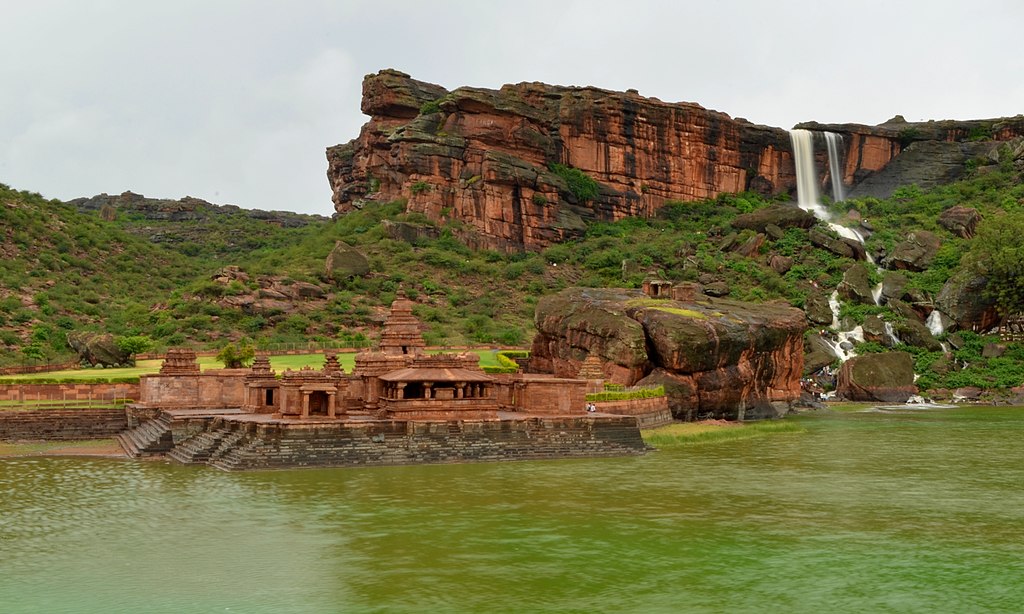
6 Ancient Caves of Karnataka

Blog, Heritage & Culture - GoroadTrip - September 16, 2017

Ancient Caves of Karnataka

Pandava Caves:

In addition to natural wonders, historical places, hills, Ghats and waterfalls, Karnataka is home to a number of caves. A tour of the caves can be fascinating and can leave you awestruck with the exemplary architecture and surrounding scenic beauty.

Badami Caves:

Famous for its cave temples, Badami in Bagalkot has the earliest known examples of temples dating back to the 6th century. The rock-cut cave temples are a combination of four cave temples consisting of Hindu, Jain and Buddhist deities.

Aihole Caves:

Situated to the east of Pattadakal, along the Malaprabha River, Aihole has an incredible total of nearly 125 stone temples. They date back to 5th century CE and boast of the finesse of Chalukyan architecture.

Nellitheertha Caves:

The Nellitheertha Cave houses a Shiva temple and a natural cave which is about 200 metres long. The cave has restricted access and visitors have to crawl through to get to a Shiva Linga and a lake at the end. Belief is Sage Jabali worshipped Goddess Durga in this cave and she promised him to kill the demonArunasara. She fulfilled herpromise on the banks of River Nandini. This is now the famous place of Durgaparameshwari Temple, Kateel.

Hulimavu Caves:

Found in South Bangalore on Bannerghatta Road, the Hulimavu Caves are a pre-historic monolithic granite cave. It is possibly a 2000 year old single rock cave. The shrines in the natural cave are dedicated to God Rama, God Shiva and Goddess Rajarajeshwari. Numerous other cave temples are also seen here, of which the Gavi Gangadhareshwara Cave Temple is most popular.

Reshwara Caves:

One among the Hulimavu Caves, Gavi Gangadhareshawara Caves has a temple dedicated to Lord Shiva. Built by the founder of Bangalore, Kempe Gowda in 16th century AD, the temple is a fine example of architectural expertise. The deities of Nandi and Linga are precisely positioned for the sunlight to pass through an arc between Nandi and fall on the Linga illuminating the sanctum on

Located near Kadri Manjunath Temple in Mangalore, the Pandava Caves has a Buddhist monastery called Kandarika Vihara. It is believed that the Pandavas spent time here during their exile to avoid detection by the Kauravas.

Continue Reading

Visit to Hollywood

Blog, Destinations - GoroadTrip - September 15, 2017

One of the most dazzling attractions in the United States is Hollywood. Hollywood is home to the film industry and much of the music industry and has a lot of glamor. Lose yourself in this cultural center and celebrate this exemplary tourist attraction that welcomes visitors around the calendar. Some of the attractions in Hollywood are:

The Hollywood sign:

The historical representation of Hollywood in all visual media was the Hollywood sign. The letter was first published in 1920 and is 45 feet high with a width of 31 to 39 feet between two letters. The shield is made of steel girders and can be seen from different places in the city.

Wax Museum:

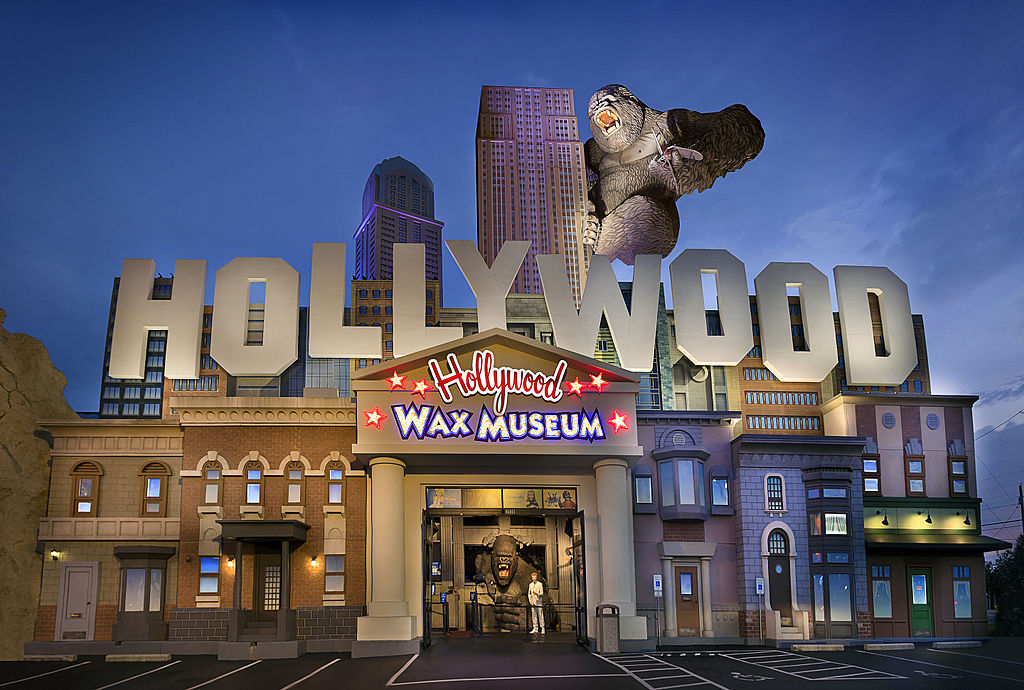
The wax museum is located in the heart of the city and houses statues of wax figures. Although not their strength, the highlight of the museum is certainly the exhibition of star costumes that legendary actors wear in some iconic films.

Universal Studios:

This Hollywood theme park is high on the list of amusement parks that California is already known for. The theme park, based on famous Hollywood films produced by the studios, has some impressive rides and magic shows that make the park a must.

Hollywood Bowl:

For fans of live music, Hollywood Bowl is the perfect place to visit. The amphitheater also has picnic areas where families can enjoy the beauty of the area.

Hollywood Walk of Fame:

The Hollywood Walk of Fame began as the marketing tactic of the Chamber of Commerce and is now one of the most visited tourist destinations in Hollywood. It runs on the sidewalks of 15 blocks from Hollywood Boulevard and three blocks from Vine Street. The Walk of Fame has terrazzo and five branched brasses with the names of actors, musicians, producers, bands and more, and visitors will enjoy picking their favorites.

Dolby Theater:

A good example of a sophisticated sound system that continues to innovate is the Dolby Theater. It occupies an impressive 180,000 square feet with an arrangement of 3,400 seats. Year after year, the Dolby Theaters enter the world of fans with the Oscars.

Madame Tussaud’s Wax Museum:

The Madame Tussauds Wax Museum in Hollywood is the ninth site of the Tussauds franchise. With the characteristic style of the franchise, this museum also has a list of waxworks from a host of Hollywood celebrities and superheroes that astonish you with the weird resemblance.

Griffith Observatory:

For a spectacular view of the city and the Pacific Ocean, visit the Griffith Observatory. The observatory is ideally located on Hollywood Mountain and is known as a national leader in public astronomy.
Believing it or not Ripley Museum:

Known as “Odditorium” because of its strange exhibits, Ripley’s Believe It or Not Museum has two floors, 11 galleries and more than 300 unusual and curious exhibits. Some of those quirks would be the real shrunken head, the original vampire killing set, and the all-candy Michael Jackson portrait. And there is much more.

Hollyhock House:

Ideally located in Barnsdall Art Park, Hollyhock House was built between 1919 and 1921 by Wright and Barnsdall. It is set on 30 acres of land and is a nice combination of house and garden. The house has a number of rooftop terraces that offer beautiful views of LA Basin and Hollywood Hills.

Museum of Death:

The Hollywood Museum of Death, which moved from Los Angeles to Los Angeles in 2000, houses the world’s largest collection of gruesome exhibitions. He has serial killers illustrations like the original photos of Dahlia Murders and those of Manson’s crime scenes. Other bizarre pieces are body bags and coffins, replicas of executions, the severed head of Henri Landru, alongside autopsy videos and corpse instruments.

Cinerama Dome:

The Cinerama Dome, built in just 16 weeks, premiered blockbuster music for over 50 years. With its arched shape and its 316 hexagons, it is the first and only theater of its kind in the world.

For a tourist with limited time and countless attractions, it is a good idea to take one of the city’s many bus rides. It could be relaxing and entertaining.

Continue Reading

4 UNESCO Heritage Sites of Maharashtra

Blog, Heritage & Culture - GoroadTrip - September 10, 2017

Maharashtra is a popular tourist destination and the state of India most visited by foreign travelers. In addition to beautiful beaches, beautiful mountain resorts and national parks and shrines, there are several historical monuments. Four of them are classified by UNESCO as “World Heritage Sites”.

Ajanta Caves:

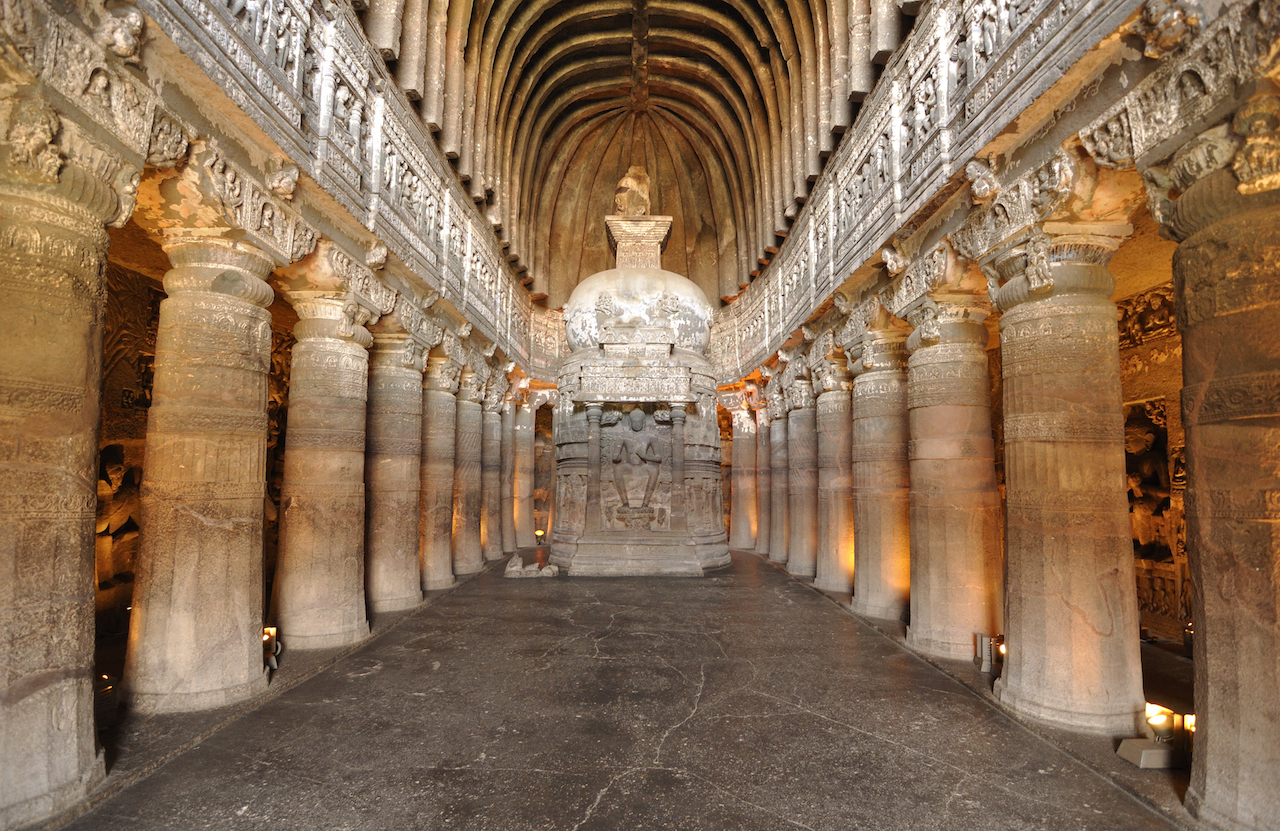
The Aurangabad Ajanta Caves, dating back to the second century BC, were recognized by UNESCO in 1983 as a heritage of Maharashtra. The Buddhist troglodyte monuments are in a group of 30 and were built in two phases. The caves show rock carvings and sculptures that are among the best examples of ancient Indian art that see and appreciate the world. The caves have monasteries and churches. On a wall 250 feet high, various Buddhist traditions can be seen. A carved statue of the reclining Buddha, a table door with the seven Manushi Buddha (human form), frescoes and well-protected paintings are the highlights of the Ajanta Caves.

Ellora caves:

Also in Aurangabad are the Ellora Caves in the immediate vicinity of the Ajanta Caves. Built by the Rashtrakuta Dynasty, the Ellora Caves are a mixture of Hindu, Jain and Buddhist art, with a series of 34 monasteries and temples that lead to about two kilometers. The caves of Ellora date from the 6th to the 10th century and were declared heritage of UNESCO in 1983 by Maharashtra.

Elephanta caves:

Elephanta Caves are located on Elephanta Island in Mumbai Harbor. The first group has five Hindu caves and the second has two Buddhist wineries. One hour ferry ride from Mumbai Harbor, the Elephanta Caves are a fine example of the art and architecture of medieval India. The caves belong to the 7th century and show daring mythical themes. It was inscribed as a World Heritage Site by UNESCO in 1987 and named “World Heritage Site of Maharashtra”.

Chhatrapati Shivji Terminus:

It was formally named Victoria Terminus in honor of Queen Victoria and inaugurated in 1887 on the occasion of its Golden Jubilee. It was renamed Chhatrapati Shivaji Terminus and today serves as the headquarters of Central Railways. It was added to UNESCO’s World Heritage List of Maharashtra in 2004.

Continue Reading