Posts for Destinations Category

13 Ancient Forts of Tamil Nadu

Blog, Destinations, Heritage & Culture - GoroadTrip - December 21, 2014

Tamil Nadu boasts of many forts dating back to the 17th and 18th centuries. While a few are in ruins, many of these forts are still functional today and form part of the prominent attractions to tourists visiting the state.

Fort St. George, Chennai:

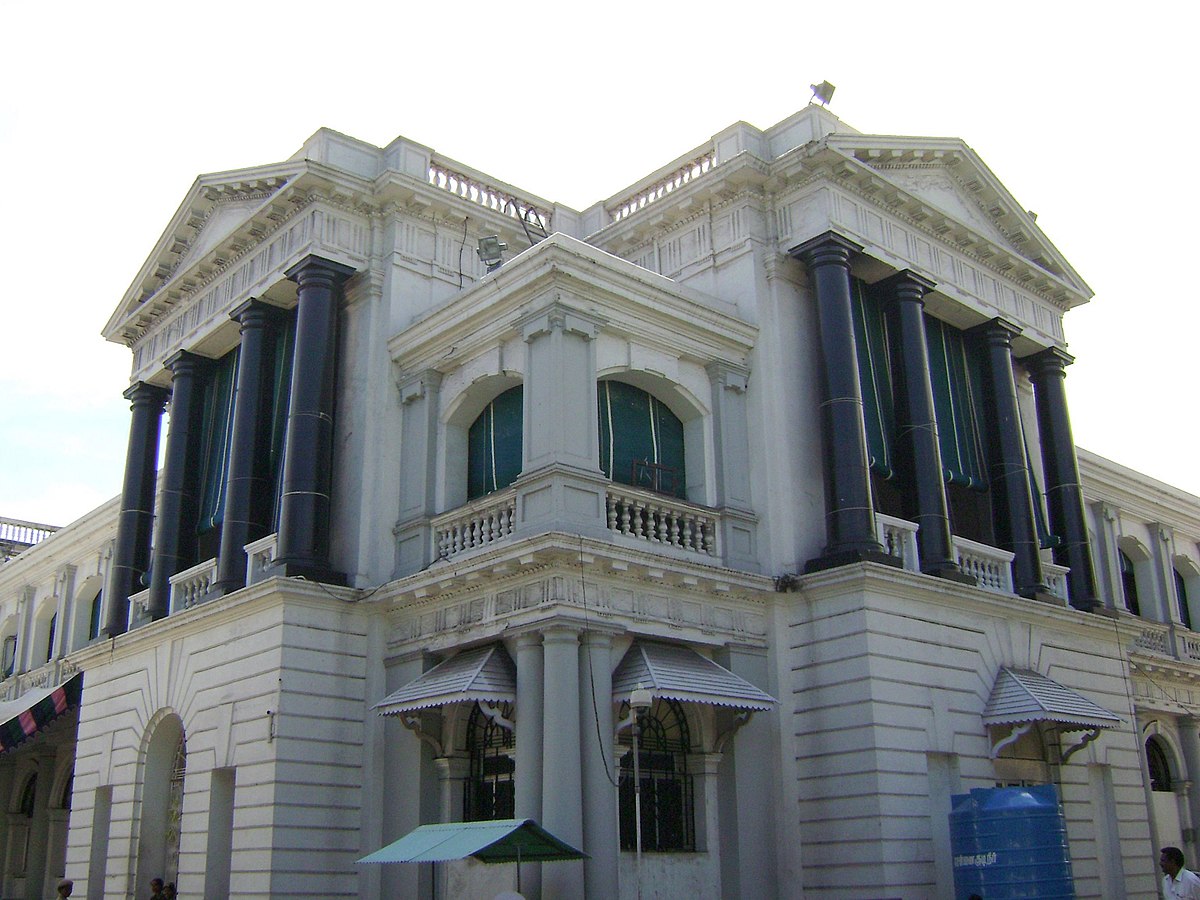
The very first fort to be built by the British in India in 1644, Fort St. George stands in Chennai. Today it is the administrative office of the legislative assembly of Tamil Nadu.

Vellore Fort, Vellore:

The fort in Vellore was the headquarters of the Vijaynagar Empire and was built in the 16th century on the Palor river bank. The fort has the combined presence of a temple, mosque and church among other buildings. It exudes the finest military architectural styles of Southern India with its remarkable moat, ramparts and masonry.

Manora Fort, Thanjavur:

Built by the Marathas in the 17th century, the Manora Fort overlooking the Bay of Bengal has eight stories and a hexagonal tower. Damaged in the Tsunami, it was restored in 2007 with additions like a children’s park also made.

Vijayanagar Fort, Thanjavur:

Built by the Nayaks and the Maratha Rulers, this majestic fort houses the Thanjavur Palace. It also has the SangeethaMahal, Library, an art gallery with several sculptors and paintings and the Shiva Ganga gardens in its complex.

Gingee Fort, Villupuram:

Originally built by the Cholas, the Gingee Fort was modified during the Vijayanagarreign and then became the headquarters of the GingeeNayaks when they were dominant in Tamil Nadu. The fort also served the Marathas during Shivaji’s regime. The fort is an impressive structure at a height of 800 feet and with an 80 feet wide moat surrounding it. The granaries, Chenjiamman Temple and prison cells it houses are worthy of many visits.

Udaygiri Fort, Kanyakumari:

A 17th century fort, Udaygiri Fort was modified by the Travancore rulers in the 18th century. It is now converted into a bio-diversity park. The major attractions are the tombs of the Dutch admiral De Lennoy and a magnificent chapel built in his memory.

Vattakottai Fort, Kanyakumari:

Erected by the seaside, this fort belonged to the Travancore kingdom but built by the Dutch for them. Meaning circular fort, the Vattakotai Fort presents the views of the sea on one side and the Western Ghats on the other and is a popular tourist spot.

Dindigul Fort:

The Dindigul Fort or DindigulMalai Kota was built by Madurai Nayak in the 17th century. It was passed down to the Mysore Wodeyars and gained considerable importance during the rule of Hyder Ali and Tipu Sultan. It was then used by the British during the Polygar Wars. Now it has an abandoned temple on top and a few cannons.

Danish Fort, Tharangambadi:

Acting as the base of the Danish settlement, Fort Dansborg or Danish Fort as it is called by locals was sold to the British in 1845. The fort is now an important tourist destination with a museum displaying artefacts of the Danish Empire.

Thirumayam Fort, Pudukottai:

This massive fort is 40 acre wide and was constructed by the Raja of Ramnad in the 17th century. The fort was a ring fort with seven concentric walls of which only four have survived. With three entrances, the fort has shrines of Hanuman, Ganesha and Karuppar on the south and Bhairava on the north. Cannons, a natural pond and two rock cut temples are among the many attractions the fort beholds.

Rock Fort, Tiruchirapalli:

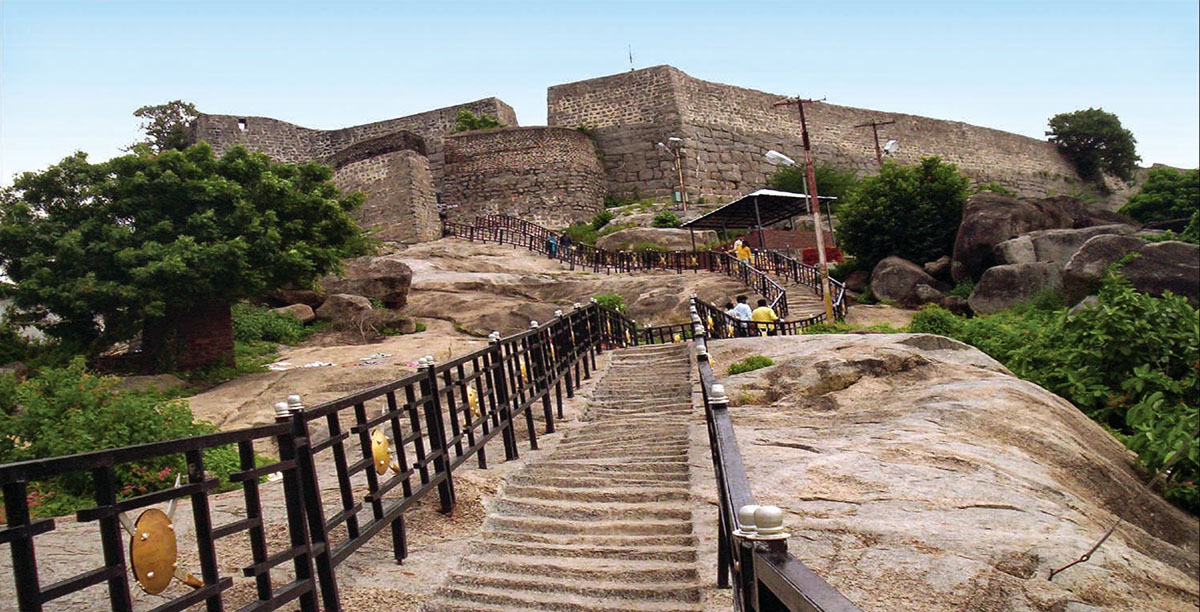
Built on a 272 feet high rock that could possibly be over a billion years old is the Rock Fort in Trichy. The fort has witnessed many battles and was prominently used by the British in the Carnatic Wars. It has two temples within its premises; the UcchiPillayar temple and Thayumanaswami temple. The Rock Fort is a landmark monument of Trichy.

Alamparai Fort, Kadappakam:

Built around 50 kilometres from Mamallapuram, the ruins of the Alamparai Fort can be seen in the village of Kadapakkam. The fort overlooks the sea and was built during the Mughal period. It is said to have had a 100-metre dockyard and commodities like silk cloth, ghee and salt were exported. The fort was gifted to the French and then conquered by the British.

Droog Fort, Coonoor:

Also called BakasuraMalai, the Droog Fort is a historic monument built by Tipu Sultan and used as an outpost. It can be reached with a hike through the Nonsuch Tea Estate.
Continue Reading

9 Forts of Telangana that are not to be missed

Blog, Destinations, Heritage & Culture - GoroadTrip - December 8, 2014

The present state of Telangana was an important trading centre especially for spice. With plenty of trading regions along the coast, foreign clientele was huge resulting in battles for ownership. Consequently many forts were built to mark territories and claim power. Today these forts serve as an important tourist attraction with their historic significance and beauty. Some of the forts of Telangana are:

9 Forts of Telangana that are not to be missed

Khammam Fort, Khammam:

Started by the Kakatiya rulers in 950 AD, the Khammam Fort was completed by Velama Kings and MasunuriNayaks. Additions to the fort were made in 1951 by the QutubShahis. Displaying a mix of both Hindu and Muslim style of architecture, this 1000 year fort is a wonderful place to explore today.

Medak Fort, Medak:

Built by the Kakatiya rulers to protect their city from invasion, it was the command post for them and later for the QutubShahis. Housing a cannon, mosque and granaries the fort also provides a view of the entire town from the top.

Kondaveedu Fort, Guntur:

Containing 21 structures, the construction of this fort began in the 14th century. Most places of the fort are in ruins but tourists visiting it get an insight to the marvellous architectural style. The fort is in a picturesque terrain and offers opportunities for treks. Temples of Kathulabave and Gopinatha are also close by.

Warangal Fort, Warangal:

Regarded as the finest example of South Indian architecture, the Warangal Fort has four large gateways; the front one being the largest of its kind in India. Though the fort is in ruins, the intricate designs of animals and birds on stone continue to attract a steady stream of visitors.

Gandikota Fort, Kadapa:

Referred to as the ‘Grand Canyon of India’ Gandikota Fort got its name from ‘gandi’ meaning gorge and ‘kota’ meaning fort. The fort is built on a gorge between the Erramala range of hills and the River Pennar flowing at the foot. The breath-taking setting of the gorge with the backdrop of the fort with its temples and mosque is a treat a level higher than Arizona’s Grand Canyon.

Rachakonda Fort, Nalgonda:

With an interesting history that speaks of treachery and curses, the Rachakonda Fort is vastly in ruins today but continues to attract tourists and local explorers. Another fort in this area is the Bhongir Fort built on an isolated monolithic rock by a Chalukya ruler.

Eldangal Fort, Karimnagar:

Ruled by five dynasties, the Eldangal Fort stands on the banks of the Manair River which is a tributary of Godavari. The fort contains tombs of many Muslim saints. A unique feature of the fort is the minarets which oscillate when shaken.

Nagnoor Fort, Karimnagar:

One of the prominent forts of the Kakatiya dynasty, the fort astounds with its excellent pieces of sculpted art. The Lord Shiva temple in the fort complex is the main attraction.

Golconda Fort, Hyderabad:

Built by the QutubShahis to defend Mughal attacks, the Golconda Fort has many attractions for tourists. The acoustics feature that makes your voice echo and heard from a distance is as fascinating as the belief that a secret tunnel connects the fort with Charminar around ten kilometres away.

Continue Reading

One day trip from Mumbai

Blog, Destinations, Weekend Getaways - GoroadTrip - November 17, 2014

While the city of Mumbai is the most visited for natural attractions and monuments, there are plenty of places at short distances from it as well. Plan a picnic every week and watch your holiday turn into a fun filled one.

One day trip from Mumbai

Mandwa:

If you have a penchant for water sports, you can travel about 100 kilometres from Mumbai to the village of Mandwa. It is accessible by sea and land. With a host of private adventure companies setting base here, it has become a favourite water sports hub.

Kolad:

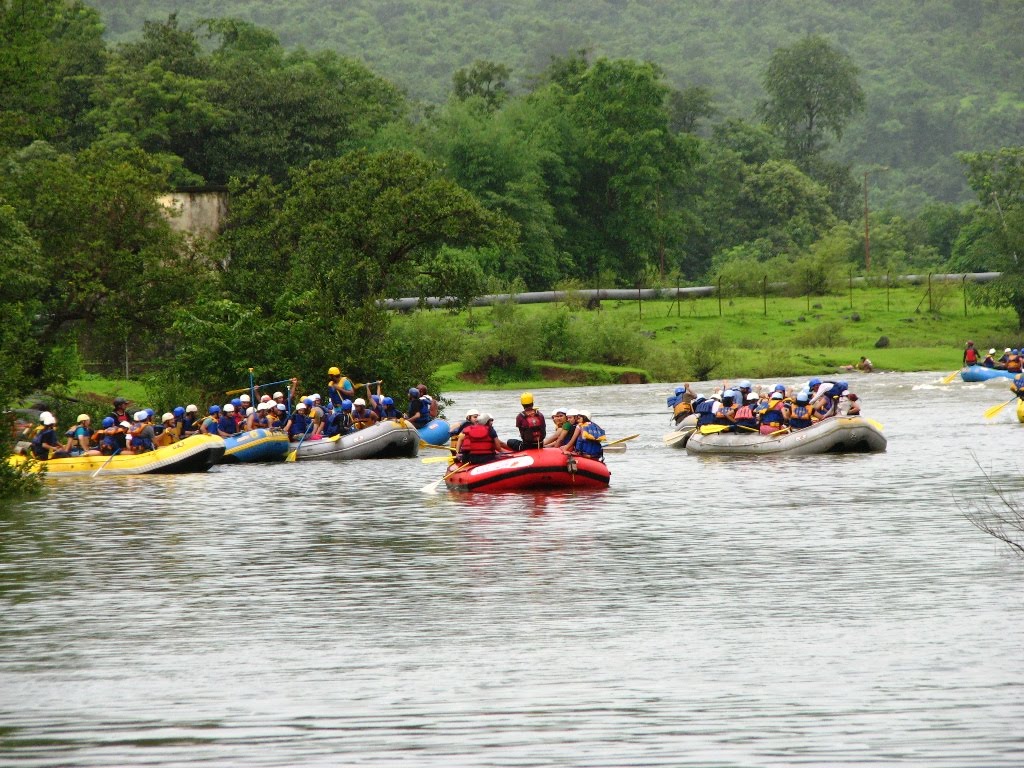
Set on the banks of the Kundalika River, Kolad is an ideal place for rafting. With experienced and trained rafting guides, the sport can be enjoyed by thrilled adventure lovers.

Alibaug:

Approachable by road and also by ferry from the Gateway of India, Alibaug has an interesting variety of attractions to interest tourists. Along with plenty of beaches like Nagoan, Versoli, Akshi and Kashid and temples like VikramVinayak and KanakeshwarDevasthan, there is Kulaba Fort and Phansad Sanctuary to visit in Alibaug.

Karjat:

Blessed by an ideal geographical location, Karjat is thronged by visitors for various reasons; for the natural beauty of the hills, for the water activities that the River Ulhas has to offer and for its sprawling location over the Western Ghats and the Konkan region. The natural scenery of this place has attracted many international production houses like Twentieth Century Fox and Walt Disney to set up facilities here.

Durset:

With a raw beauty, Durset around 100 kilometres from Mumbai, appeals to visitors looking for peace and tranquillity amidst the marvels of natural surroundings. The Amba River gives the place a fresh appeal and you will feel invigorated with a chance to indulge in activities like rock climbing.

Kamshet:

Kamshet in Pune district is perfect for tourists aiming at some adventure activities, exploration and a trip down the historical route. The ancient cave temples, hill fortresses and colonial hill stations along the route to Kamshet makes for many pleasant stops. Once you reach Kamshet you can enthral yourself by paragliding amidst the green rambling hills and striking sunflower and paddy fields.

Malshej Ghat:

Located in Thane district, Malshej Ghat is a mountain pass in the Western Ghats. Renowned for its beauty, the Ghat is abundantly blessed with flora and fauna, birdlife and wildlife including cuckoos, quails, flamingos, peacocks, leopards and tigers.

All within a proximity of approximately 150 kilometres from Mumbai, these picnic places give you adventure and history along with the grandeur of nature’s beauty.

Continue Reading

10 Top Lakes of India

Blog, Destinations - GoroadTrip - November 4, 2014

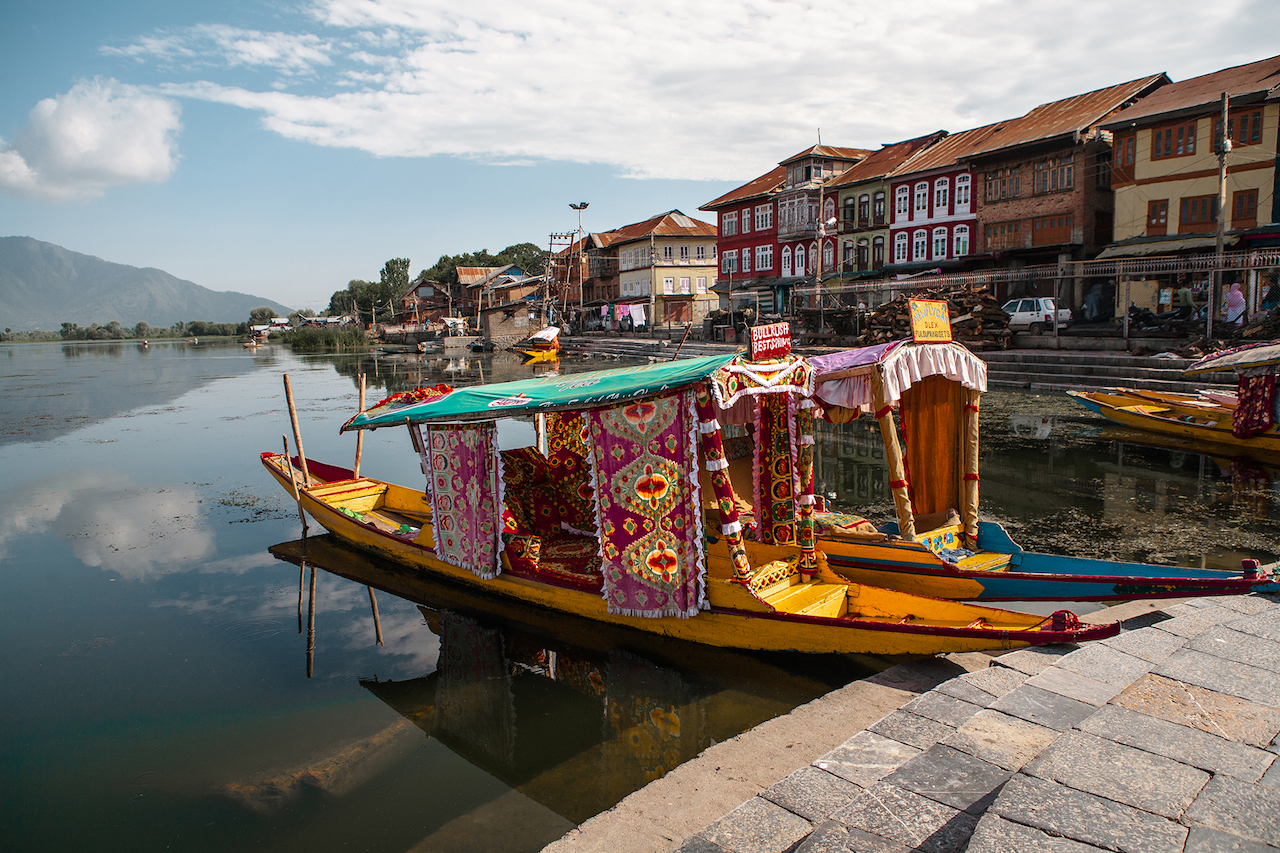
Srinagar, Kashmir, India

From Kashmir to Kanyakumari, Rajasthan to Assam, India is blessed with many beautiful lakes. The top ten among them are:

10 top Lakes of India

Dal Lake, Jammu and Kashmir:

Dal Lake in Srinagar has the title of the ‘Jewel in the crown of Kashmir’. The lake paints a pretty picture of the misty PirPanjal peaks and the lovely houseboats reflected on its waters.

Wular Lake, Jammu and Kashmir:

The Wular Lake is the largest fresh water lake in India and one of the largest in Asia. The lake is rich in flora and fauna and is a natural habitat for a large variety of fish and birds.

Damdama Lake, Haryana:

Located close to the Aravalli Hills, Damdama Lake is a popular weekend getaway from Delhi. Tourists can also indulge in boating, trekking and bungee jumping close to the lake.

Loktak Lake, Manipur:

Known as the only floating lake in the world, the LoktakLake owes this feature to the floating phumdis. It is the largest freshwater lake of north-eastern India.

Pichola Lake, Rajasthan:

Found in the city of lakes, Udaipur, Pichola Lake is an artificial fresh water lake. The four other important lakes in this lake city are FatehSagar Lake, UdaiSagar Lake, Jaisamand Lake and Rajsamand Lake.

Chilka Lake, Orissa:

The largest coastal lake in India, the Chilka Lake is also Asia’s largest inland salt water lagoon. The natural surroundings of the lake make it a haven for migratory birds.

Gurudongmar Lake, Sikkim:

A fresh water lake in the Kanchenjunga range, Gurudongmar Lake is one of the highest lakes in the world. The stunning natural beauty of this lake mesmerizes tourists.

Bhimtal Lake, Uttarakhand:

Larger than the famed Nainital Lake, the Bhimtal Lake is in fact the largest in the Kumaon region which is the lake district of India.

Upper Lake, Madhya Pradesh:

Locally called ‘BadaTalaab’, the Upper Lake in Bhopal, is the largest artificial lake in Asia. The major attractions of the lake are the Takia Island and the marine drive.

Vembanad Lake, Kerala:

The longest lake in India and the largest in Kerala, Vembanad Lake is a brackish lagoon. The Snake Boat Race which is the annual major attraction of Kerala is held on this lake.

Continue Reading

10 Marvellous Forts of Maharashtra

Blog, Destinations, Heritage & Culture - GoroadTrip - September 28, 2014

The state of Maharashtra has a vast number of forts. The forts make a wonderful tourist destination not just for their interesting history but also for their astounding locations. Most of them are snuggled in the magnificent ranges of the Sahayadri Mountains or the picturesque Western Ghats. Pick from these ten lovely fort destinations and enjoy the richness of India’s history and geography.

10 Marvellous Forts of Maharashtra

Raigad Fort:

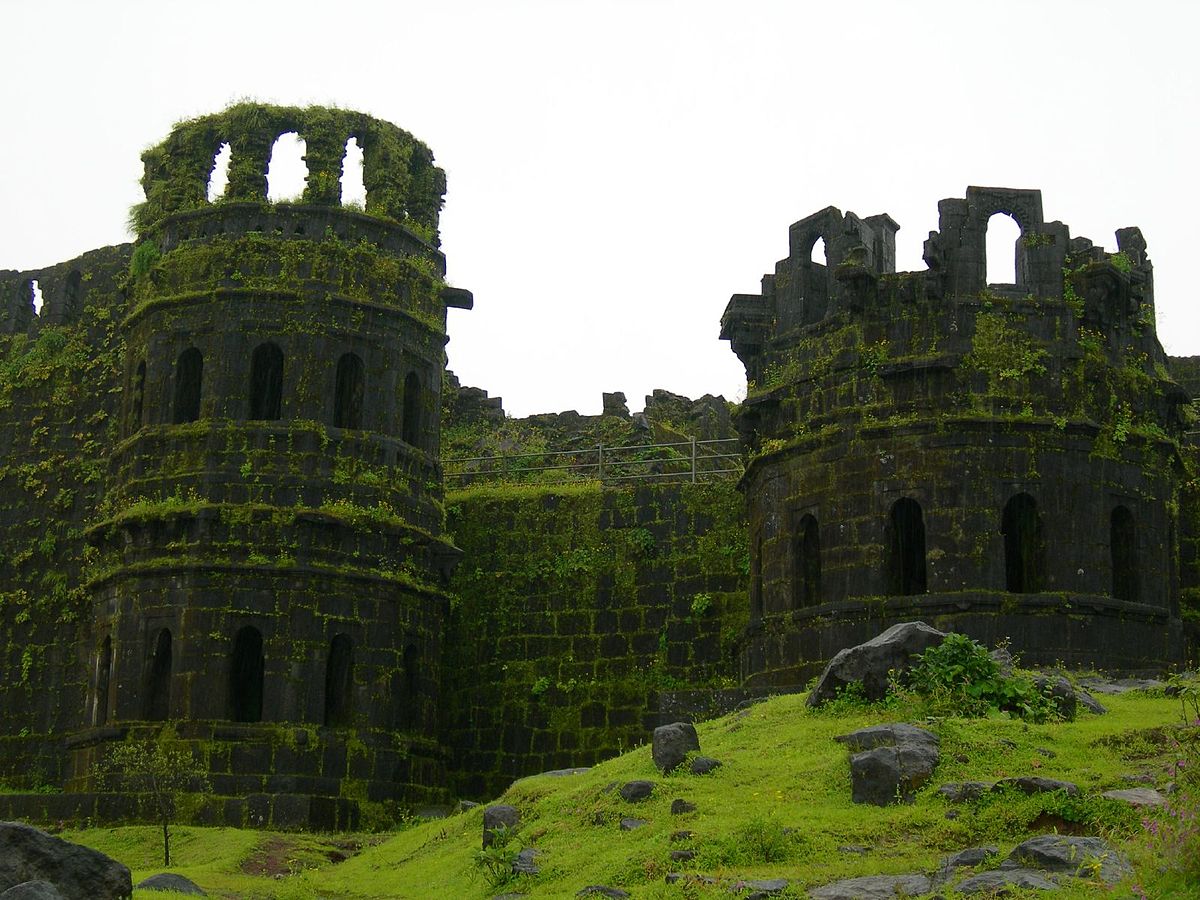
The Raigad Fort acted as the capital of the Maratha king Shivaji. It is located in the Sahyadri mountain range in the Mahad and stands at a height of 820 meters. It is famous for the Hirakani Buruj wall and the Maha Darwaja.

Pratapgad Fort:

Located near Mahabaleshwar in Satara district, Pratapgad Fort is also known as Valour Fort. It has a lower and upper fort.

Daulatabad Fort:

This fort near Aurangabad is regarded as one of the seven wonders of Maharashtra. It holds several memorable monuments like Chini Mahal and Chand Minar.

Murud-Janjira Fort:

Located in the port town of Murud, the Murud-Janjira Fort is set on an oval shaped rock off the Arabian Sea. The fort is popular for its many secret hideouts and escape routes.

Panhala Fort:

The imposing Panhala Fort rises 1312 feet above the plains in the Sahayadri Mountain range. It is near Kolhapur and is known for its serpents.

Sinhagad Fort:

Strategically built with an intention to protect, the Sinhagad Fort is in the midst of a batch of forts close to Pune and is a very popular monsoon getaway from Pune.

Rajmachi Fort:

Consisting of two forts, the Rajmachi Fort is in the rugged terrain of the Sahyadri Mountains. It is a good choice of destination for a trek.

Vasota Fort:

Situated in Satara, Vasota Fort has all nature’s elements blessing it. It looks over the peaks of Nageshwar and also Shivsagar Lake created by the Koyna backwaters. The road leading to the fort is spectacularly scenic as it runs through the Valley of Flowers (Kaspathar) and the dense jungle.

Sindhudurg Fort:

On the shores of the Malvan Town in the Konkan region, is one of the top five sea forts in Maharashtra, the Sindhudurg Fort. Constructed by Shivaji the fort is a fine example of Maratha architecture.

Torna Fort:

Torna is one of the largest and tallest forts in Pune districts. It is also known as Prachandagad and was the first fort captured and possessed by Shivaji.


Continue Reading