Posts for Destinations Category

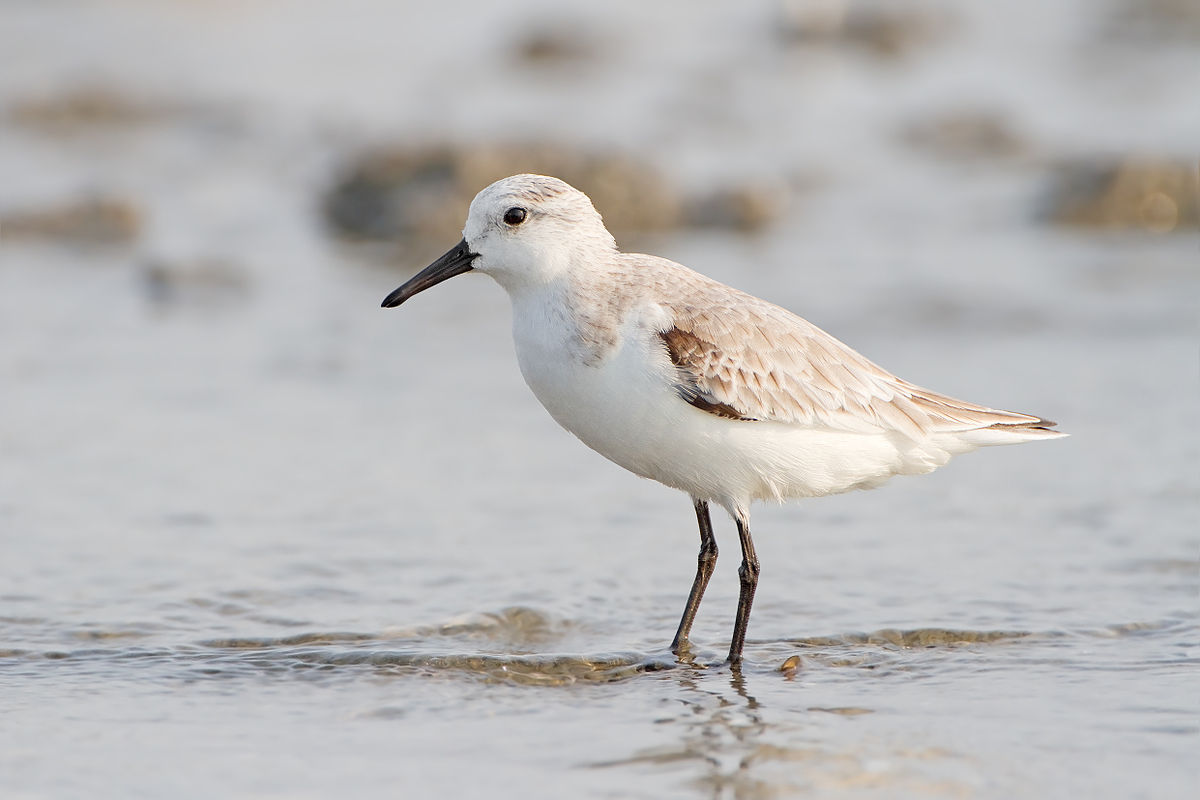
Wildlife in Gokarna: The Sanderling

Blog, Destinations - GoroadTrip - December 7, 2015

The Westernmost edge of the Sahyadri Range in Karnataka takes shape in Gokarna before the land mass of the subcontinent surrenders to the Arabian Sea. The west coast is, quite easily, India’s most sought after and lauded sea front.

Goa and Gokarna come to mind instantly when we speak of India’s west coast. Many travel far and wide for just a few days spent in serene afternoons on its sunny shores. Quite a few crave the warmth of the Gokarna sun and the peace of its shore.

There is one and only one esteemed visitor, however, who flies themselves over continents and oceans to winter on these brilliant beaches – the sanderling.

This long distance migratory water bird flies all the way from the Arctic in flocks, to visit the length of the Indian coastline. Their itinerary is widespread as the range of this beautiful bird stretches half the world. They pass through North America, South America, Europe, South Asia, Australia and parts of the Pacific Islands.

Arriving from high Arctic breeding grounds, the sanderling travels distances between 3,000-10,000 kilometers – mighty impressive indeed. They choose to nest on dry, stony regions around wet grounds; ideally between 60 – 800 meters above mean sea level.

It is unfathomable, the distances that the sanderling travels, covering nearly all sandy tropical and temperate coastlines – save Antarctica – each year. Though its winter migration takes it largely to coastal sandy beaches, it has been seen around sandbars, inland lakes, rivers and the occasional mudflat. It definitely prefers rocky shores such the black, jagged rocks of Gokarna.

When in Gokarna, in Indian winter months, you can spot this elegant white and brown bird in varying flock strengths on the shore. Their elegant bicycling style of walking is interesting to watch as each bird hurriedly hunts out little creatures of the sea. They feed on plankton, crustaceans and invertebrates that lap up along with each wave. Their feeding behavior is spectacularly peculiar to watch.

Lifting each black leg in a cycling motion, they dance on the wet beach sand and quickly dip their black beaks around two centimeters deep in the hope of nabbing a crab or two. They can be seeing rushing toward the water as it recedes, or quickly retreating in response to an oncoming wave. This behavior goes to show that the sanderling is a truly adaptive bird.

Want to do an adventurous activity? A trek from Gokarna Beach to Om Beach to enjoy the wild life of the region.

Continue Reading

Magic of Hassan

Blog, Destinations - GoroadTrip - November 6, 2015

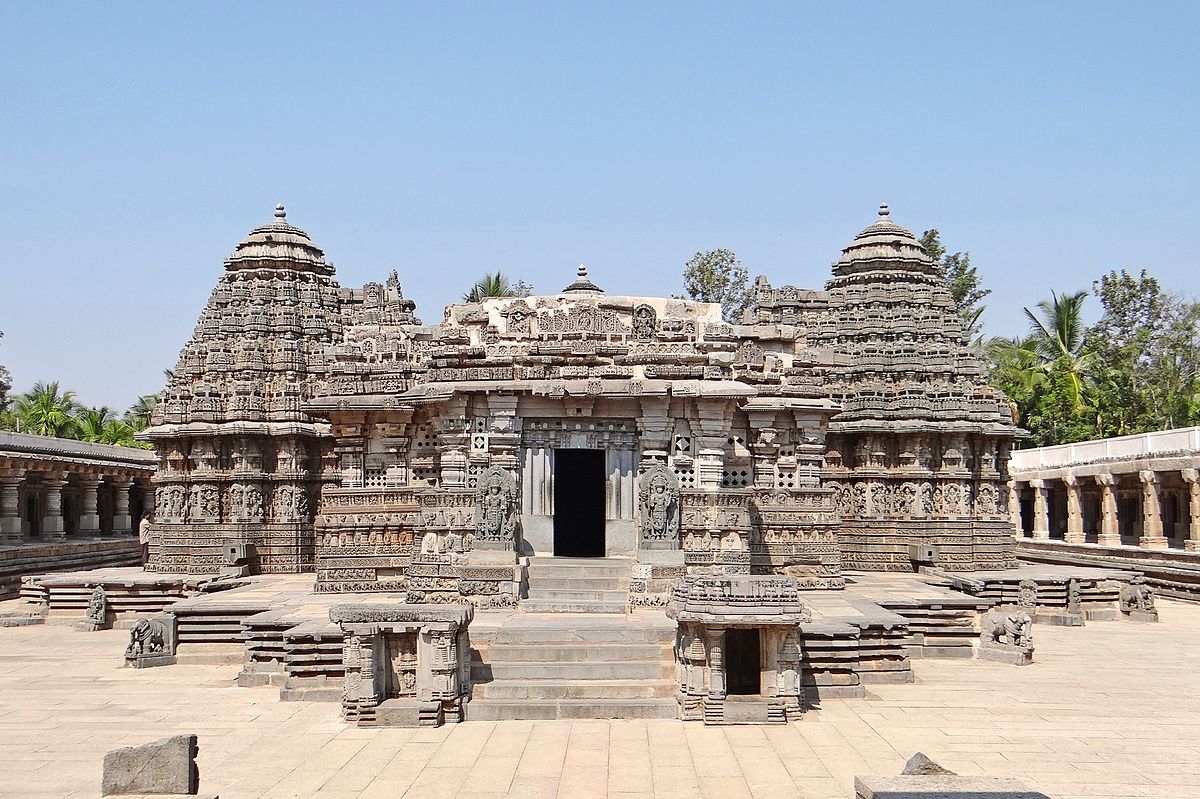
Hassan, a very old city is known for its monument trail of fabulous Hoysala Temples. The climate is cool and pleasant very similar to Bengaluru.

Magic of Hassan

1. Chennakeshava Temple

Chennakeshava Temple completely overwhelms any traveler thanks to the beauty it emotes. It’s a magnificent work of art and a stunning example of the temple architecture and have been proposed under UNESCO’s World Heritage sites.

2. Manjarabad Fort

Manjarabad Fort is a star shaped, beautiful fort enveloped by dense greenery in the Western Ghats. The drive up to the fort, through deep forest, is as mesmerizing as the destination. Manjarabad Fort is a well-known destination for weekenders and travelers keen on hiking and trekking.

3. Shettihalli Church

Shettihalli Church was named after the village and now it stands derelict reminding us of the past colonial days. During the onslaught of monsoon, the river rises, submerging the Shettihalli Church with only the topmost spires being visible. It is not a well-known destination at all and remains tucked up, enjoying its anonymity.

4. Gomateshwara Temple

Gomateshwara, the monolith statue of Lord Bahubali, situated on the top of Vindhyagiri Hill is located in Sharvanabelagola. The world’s only monolithic stone statue of this proportion has been carved out of a single stone preserving its proportions and expression. It’s an awe-inspiring sight to stand at the base of the statue which overlooks the plains below Chandragiri and Vindhyagiri hills.

5. Eshwara Temple

Eshwara Temple in Arsikere is a dedication to Lord Shiva in a modest and much smaller dimension than most of the grand temples strewn all across the region. Though smaller in size, it is known to be one of an exquisite example of Hoysala temple architecture.

Continue Reading

6 Indian Monuments that lure at night

Blog, Destinations, Heritage & Culture - GoroadTrip - October 27, 2015

While the tour is considered a daily activity, the night owls are not all lost. There are many monuments in our country that are open at night. In addition, their appeal is more intense and the charm of the sunset and the darkness even more accentuated.

6 Indian Monuments that lure at night

Temple of Somnath, Gujarat:

This temple in Somnath is one of 12 Jyothirlings of India. Freely translated, Jyothirling means the radiation of Shiva Linga. A famous religious center, the Temple of Somnath, stands out at night during the Arathi evening. A show of light and sound, “Jay Somnath,” depicting the journey of the Temple of Destruction by the Persians to their present restored state, follows the Arathi.

Victoria Memorial, Calcutta:

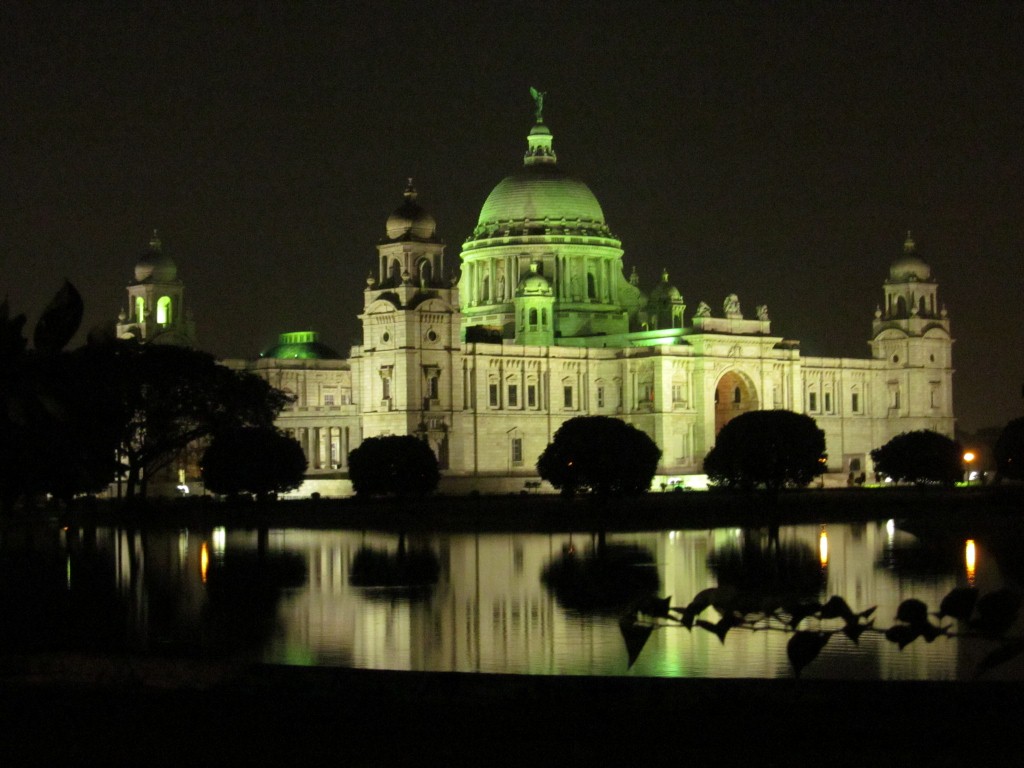
This colossal white marble building on the shores of the Hooghly River, with its lush gardens built by the British, has a different aura at night. When illuminated by lights, the building looks ethereal with the gentle reflection of the Hooghly River.

Mysore Palace, Mysore:

This Taj Mahal from Mysore will definitely come out more when the lights are on. Come on Dasara, the shine rises with more than 96,000 lights used for about two months.

Golden Temple, Amritsar:

In Amritsar one has the impression that the golden temple never sleeps. It still sounds sacred prayers and resonates with a liveliness you can never beat. It opens at 2am, but this time may vary by month.

Amber Fort, Jaipur:

The Amber Fort lies in the hills and is a manifestation of the Rajputs and their manners. The beauty of the fort is awakened by the lights at night. As a bonus, a show of light and sound, written by the famous lyricist Gulzar, takes place near Lake Maota of the Fort.

Fort Jaisalmer, Jaisalmer:

Another fortress that attracts during the day, but still attracts attention at night, is the Jaisalmer Fort. The vision of the fort, shining with the light under a clear night sky, remains in the memory of eternity.

Yes, the night attracts with many monuments to visit. To replace these sunglasses with a jacket, the night is young!

Continue Reading

7 Green Gardens of Karnataka

Blog, Destinations - GoroadTrip - October 16, 2015

The most famous garden in the state is the Brindavan or Vrindavan Garden of Mysore. There was a time in the 60s and 70s where all the songs around the tree were portrayed among the lovers in these gardens, beautifully lit in rainbow colors and fountains bubbling to different heights. These gardens were designed in the Mughal style of the Khalmir Shalimar Gardens. It is in Mandya District and part of Krishnarajasagara Dam is built over the Kaveri River. It is a main attraction of Srirangapatna, the capital of Tipu Sultan Brindavan Gardens, KRS Dam, Mysore

The plan and execution of this garden was started in 1927 and lasted 5 years. The Krishnarajasagar Dam, one of the country’s first dams, was built by engineer Sir Sir Visvesharaya during the reign of Krishnaraja Wodeyar IV, a great lover of gardens and parks. The Maharaja Dewan, Sir Mirza Ismail, designed the enchanting garden. This garden is so popular that it attracts almost 2 million tourists every year.

Brindavan Gardens, Mysore

Just below the dam you can stroll through the beautiful gardens that stretch across 3 terraces on each side of large artificial lakes called the South North Courtyards. All kinds of beautiful flowering trees give the gardens a lot of charm. The garden has carvings of animals created by shaping and cutting shrubs. The pergolas in the shade of vines and gazebos make it a charming place. The musical fountains that light up every evening in the colors of the rainbow break into melodic music and resemble real fairy tales. The gardens include a 75-hectare fruit tree and 2 horticultural farms, Nagavana (30 acres) and Chandravana (5 acres).

Back in Bangalore, the capital of Karnataka is called Garden City. In Bangalore, there are many public gardens that are among the best in the country. You can not separate the Bangalore image from Cubbon Park and Lalbagh.

Lalbagh or the Red Garden is a botanical garden that houses India’s largest collection of tropical plants and has four separate entrances. The garden was originally commissioned by Hyder Ali, the ruler of Mysore, and later supplemented by his son Tipu Sultan. The garden design was imported from Mughal and Tipu trees and plants from many countries. The foundation of his iconic house, modeled on the London Crystal Palace, was laid on November 30, 1898, by Prince Albert Victor. On the two special national holidays, the 26th of January (Republic Day) and the 15th of August (Independence Day), there are two annual flower exhibitions. There is a beautiful little lake where many species of birds live. The gardens, which were created in the 18th century, were the first turf clock in India and the largest collection of rare plants of the subcontinent. The rock with the Kempegowda tower is in the middle and it has a complex irrigation system for irrigation. A geological monument to the formation of peninsula gneiss is also a tourist attraction in the gardens.

Lal Bagh, Bangalore

A visit to the “Janapada Jaatre” in Lalbagh on the second and fourth weekend of the month is a wonderful cultural experience with traditional costumes and musical instruments. This popular fair features folk dances, music and plays from all parts of Karnataka.

The 400-year-old Hebbal Kempapura Lake (1537) was founded by Kempe Gowda and is a bird sanctuary within the city. The Bangalore Bird Watching Club meets here and pictures of more than 350 species of birds have been spotted in this park!

Ulsoor Lake is an important lung area and one of the largest lakes in Bangalore. It stretches over 123 acres and has several islands that make a great backdrop for sunsets and sunrises. It has navigation facilities, a children’s playground and fountains making it a fun destination for family outings.

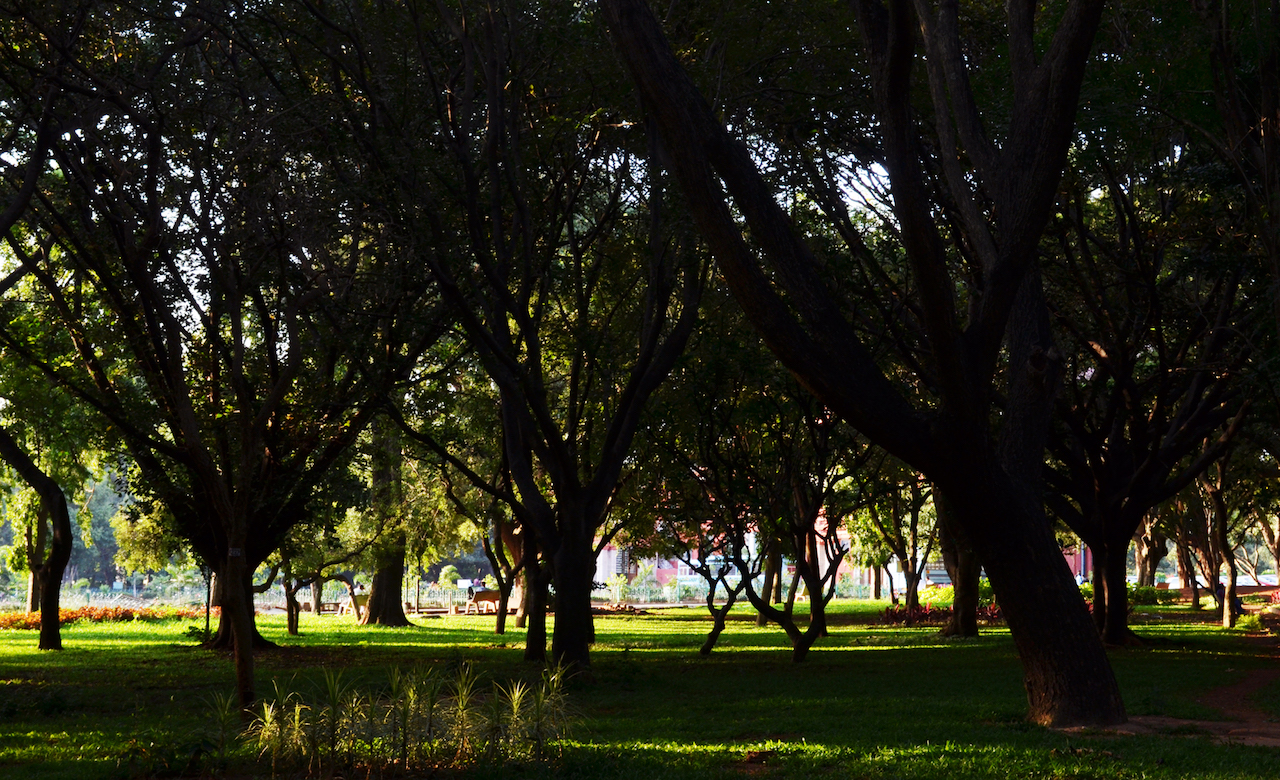
Cubbon Park, across from Vidhana Soudha, stretches over 300 acres, has beautifully landscaped lawns and flowering trees. Planned and created in 1864 CE, this beautiful wooded place is a paradise for joggers and walkers. The playground offers entertainment and recreation for children. Near Cubbon Park is the Nehru Children’s Park (Bal Bhawan) and the aquarium. A tug-chug train meandering through the area is a popular activity for children and adults.

Do you want to learn more about Cubbon Park?

In Hubli the Indira Gandhi Glass House Garden is a place of fairy tales. Made entirely of glass, it resembles that of Lalbagh Gardens, Bengaluru. The glass house has huge lawns and an ice rink. The flower shows are beautiful. Discover the musical fountain that plays on weekends and holidays.

Garden of the glasshouse, Hubli

Mangalore Lalbagh is located about 3 km north of Hampan Katta. It is a happening in the city with many restaurants and restaurants. The Mangalore City Corporation is here.

In Karnataka, in towns and villages, you will find neat private gardens that are a rush of color. In March, the trees on the streets burst in beautiful flowers and you can see yellow, orange, purple and red flowers lighten the landscape. Roses in this state are something special!

Continue Reading

10 Top Most Tea Destinations of India

Blog, Destinations - GoroadTrip - September 27, 2015

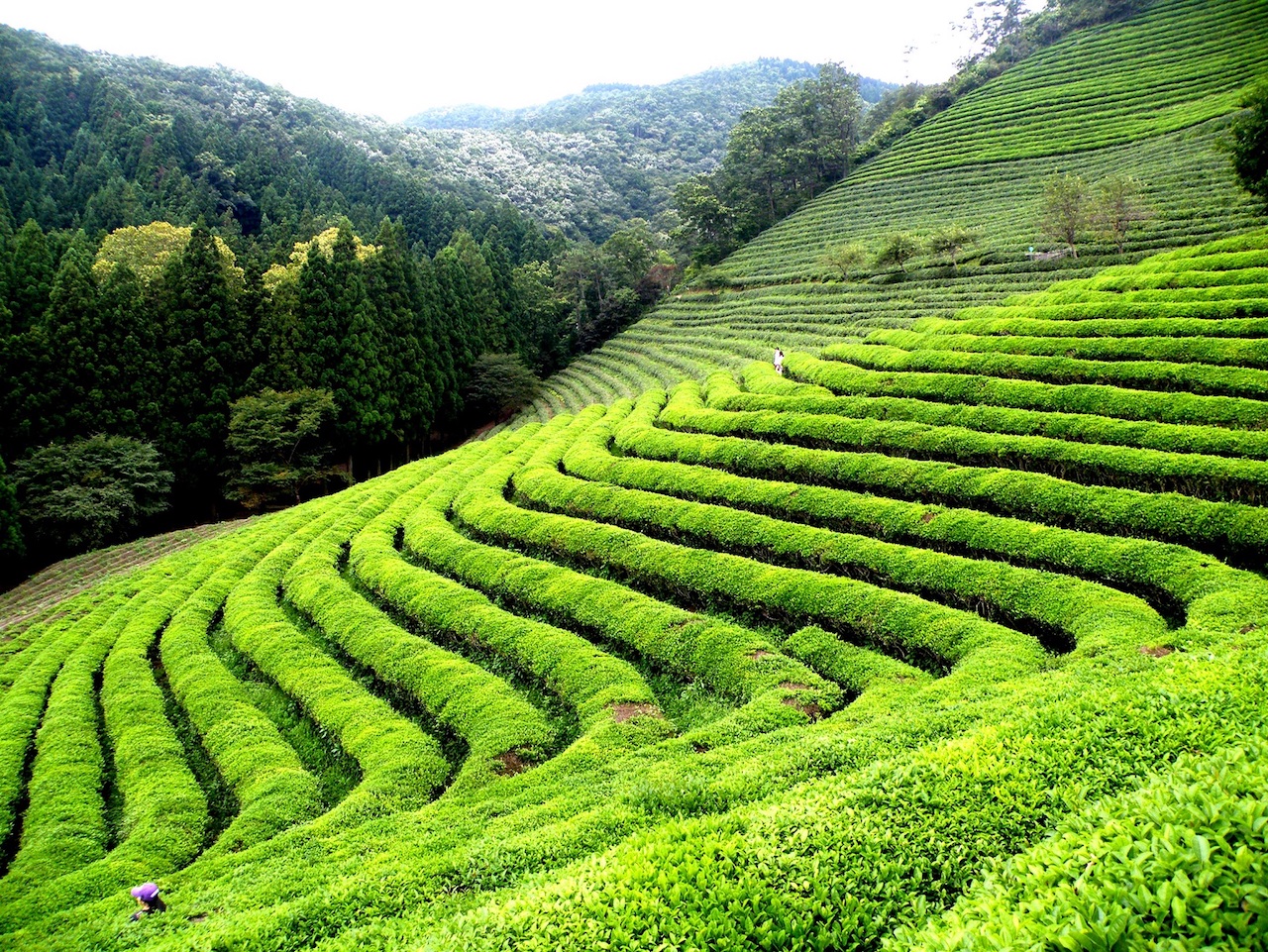
Tea lovers can vouch for the fact that tea is the second most consumed drink in the world. No, coffee lovers the first is not coffee; it is water of course! Tea is an integral part of everyday life. From kick starting your day, holding heated ‘chai pecharchas’, inviting a neighbour over for a chat and taking a break from work; everything is done with a cup of tea. A fact that not just tea lovers but all Indians can take pride in is that India is the second largest producer of tea in the world. All thanks to the lush, vast tea plantations, a few of which are mentioned below:

10 Top Most Tea Destinations of India

Darjeeling:

Known as the tea capital of India, Darjeeling in West Bengal has at least 80 tea plantations which produce approximately 90 million kilograms of tea annually. With its numerous tea estates, aromatic tea gardens and tea factories, tourists get their fill of tea treats in the cool hills of Darjeeling. The spectacular views of the Kanchenjunga Mountain from many of the tea plantations is an amazing bonus.

Assam:

Speculated to be the place of tea origin in India, Assam produces some of the finest varieties of tea, all with an enticing aroma and attractive colour. The region,filled with high valleys, abundant waterfalls and cool climate, is a boon to tea cultivation. Tourists can get a peek into tea production at some of the workshops of the tea estates.

Himachal Pradesh:

The Kangra region and Palampur areas of Himachal are renowned for Himalayan tea. Several types of different flavoured tea are also produced here. The tea plantations in the Himalayan slopes along with the Dhauladhar range is a sight that is hard to take your eyes off from. You can also visit Buddhist temples and monasteries where making and drinking tea is an integral part of the activities.

Munnar:

Munnar in Kerala has some of the highest tea plantations in the world. Along with the eye catching landscape, Munnar tea estates form one of the favourite destinations of hill station fans.

Nilgiris:

Known for their deep colour and aromatic fragrance, the Nilgiri tea estates stretch to Wayanad, Nelliyampathy and Anamalai regions. Unlike other tea plantations where tea is grown seasonally, Nilgiri tea estates grow them all through the year.

Chikmagalur:

Though more popular for its coffee, Chikmagalur also has some sprawling tea estates. The wholesome climate of the place is ideal for tea cultivation. Traditional methods are used and hence the tea estates are gaining popularity for some of the best organic tea grown here, a variety you can easily fall in love with.

Anaimalai:

Also known as Elephant Hills, these ranges are at the border of Kerala and Tamil Nadu. The lower slopes of these high hills are used to grow tea along with coffee and teak. The tea grown here has a subtle taste and aroma and is produced by Tata Tea.

Kolukkumalai:

Located close to Munnar, Kolukkumalai is in Theni district of Tamil Nadu. Like Munnar, it has some of the highest tea plantations in the world. The altitude shows in the teas produced here as it has a distinct flavour and a stark freshness.

Arunachal Pradesh:

A blooming tea cultivator in recent times is Arunachal Pradesh. Plantations are located at the foothills of Arunachal Pradesh. Supported by the Government, the state is all set to revolutionize the tea industry.

Uttarakhand:

Kasuni, Nainital, Chamoli and Champawat are places where tea is being grown in the state of Uttarakhand. A huge chunk of the land here is growing organic tea.

A quick look at the health benefits of the beverage makes us understand why tea is such a popular drink-

Tea contains plenty of antioxidants
Tea helps strengthening the immune system
Tea reduces risk of heart attack and stroke
Tea protects against cancer
Tea has less caffeine than coffee

A trip to these tea plantations can be as invigorating as a sip of your adored tea.

Continue Reading